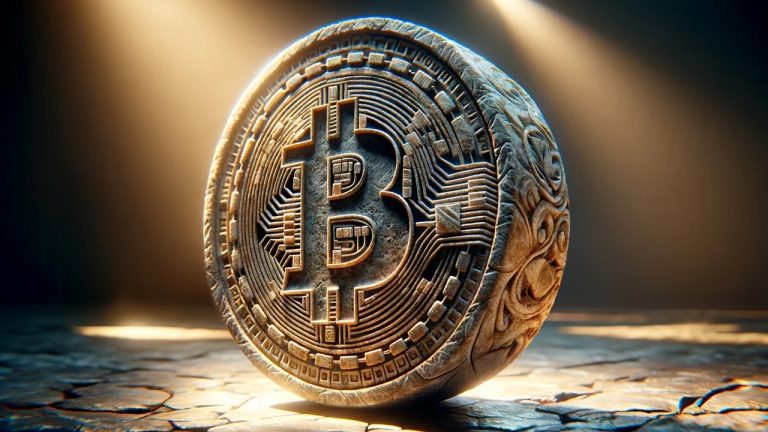
As bitcoin btc takes center stage, this opening passage beckons readers into a world crafted with good knowledge, ensuring a reading experience that is both absorbing and distinctly original.
Bitcoin, the pioneering cryptocurrency, has revolutionized the concept of digital currency since its inception. Born from the visionary ideas of an anonymous figure known as Satoshi Nakamoto, Bitcoin combines innovative technology with an ethos of decentralization. Over the years, it has undergone a remarkable journey, showcasing significant price fluctuations and capturing the interest of investors, regulators, and tech enthusiasts alike.
Introduction to Bitcoin
Bitcoin is a decentralized digital currency that emerged in 2009, created by an anonymous entity known as Satoshi Nakamoto. Unlike traditional currencies issued by governments, Bitcoin operates on a peer-to-peer network, allowing users to send and receive payments without the need for intermediaries like banks. This characteristic makes Bitcoin both revolutionary and controversial, as it challenges conventional financial systems.The technology behind Bitcoin is primarily based on blockchain, a distributed ledger that records all transactions across a network of computers.
This blockchain is maintained by a process known as mining, where miners validate transactions and add them to the public ledger. Each block in the chain contains a group of transactions, a timestamp, and a cryptographic hash of the previous block, ensuring the integrity and security of the data. The decentralized nature of blockchain technology not only secures transactions but also eliminates the risk of fraud and double spending.
History of Bitcoin’s Price Evolution
Bitcoin’s price history is characterized by extreme volatility, marked by significant peaks and troughs. Initially, Bitcoin had little to no monetary value, with the first recorded transaction occurring in 2010 when someone famously paid 10,000 BTC for two pizzas. This event is often referenced as the “Bitcoin Pizza Day” and symbolized the first real-world use of cryptocurrency.Over the years, Bitcoin’s price has experienced dramatic increases and sudden drops due to various factors, including market speculation, regulatory news, and technological advancements.
Some key milestones in Bitcoin’s price evolution include:
- In 2011, Bitcoin reached $1 for the first time, marking the beginning of its journey into the mainstream.
- By late 2013, Bitcoin’s price soared to over $1,000, driven by media attention and increased adoption.
- The price fell drastically in 2014 after the collapse of Mt. Gox, one of the largest Bitcoin exchanges at the time, leading to increased skepticism.
- In 2017, Bitcoin saw unprecedented growth, reaching an all-time high of nearly $20,000 by December, which attracted notable interest from investors.
- Following a period of correction, Bitcoin regained momentum in 2020, reaching new heights above $60,000 in early 2021, largely due to institutional adoption and growing interest in cryptocurrencies.
Understanding the fluctuations in Bitcoin’s price is essential for anyone looking to invest or engage with this digital asset. The volatility can be attributed to factors such as market sentiment, technological changes, and macroeconomic trends, making it both an exciting and risky investment opportunity.
“Bitcoin is a technological tour de force.”
Bill Gates
Understanding Bitcoin Transactions
Bitcoin transactions are the lifeblood of the network, enabling users to transfer value across the globe without the need for intermediaries. Understanding how these transactions work is crucial for grasping the overall functionality of Bitcoin.Bitcoin transactions occur in a series of steps that ensure the secure and efficient transfer of value. When a user initiates a transaction, they create a digital signature using their private key, which verifies their ownership of the funds.
This transaction is then broadcasted to the Bitcoin network, where it enters a pool of unconfirmed transactions known as the mempool. Miners pick up these transactions and bundle them into blocks for validation.
Step-by-Step Process of Bitcoin Transactions
The process of executing a Bitcoin transaction involves several key stages:
1. Creating the Transaction
A user specifies the amount of Bitcoin they want to send and the recipient’s wallet address, generating a transaction that includes a unique identifier.
2. Signing the Transaction
The user signs the transaction with their private key, ensuring that only they can authorize the transfer of their funds. This digital signature secures the transaction against tampering.
3. Broadcasting to the Network
Once signed, the transaction is broadcast to the Bitcoin network, where it becomes visible to all participants and miners.
4. Transaction Validation
Miners collect unconfirmed transactions from the mempool and validate them. This involves checking that the sender has sufficient balance and that the transaction adheres to protocol rules.
5. Inclusion in a Block
Validated transactions are bundled into a block by miners. This block is then added to the blockchain, creating a permanent and unchangeable record of the transaction.
6. Confirmation
Once a block is added to the blockchain, the transactions within it receive their first confirmation. Subsequent blocks built on top of the original block provide additional confirmations, enhancing security.
Role of Miners in Validating Transactions
Miners play a crucial role in the Bitcoin network by validating and securing transactions. Their responsibilities include:
Transaction Validation
Miners ensure that transactions adhere to the network’s rules, checking for double-spending and confirming that the sender has enough balance.
Block Creation
Miners compete to solve complex mathematical problems, and the first to solve it adds a new block to the blockchain. This process is called proof-of-work.
Security and Integrity
By validating transactions and maintaining the blockchain, miners help secure the network against fraud and attacks.Miners are incentivized through rewards, receiving newly minted Bitcoin and transaction fees for their efforts.
Transaction Fees and Their Variations
Transaction fees are an essential aspect of Bitcoin transactions, incentivizing miners to include transactions in their blocks. Several factors can influence these fees:
Network Congestion
During times of high demand, transaction fees can rise significantly as users compete to have their transactions processed quickly.
Transaction Size
Fees are typically calculated based on the size of the transaction data in bytes, rather than the transaction amount. Larger transactions require more data and thus incur higher fees.
Fee Estimation Tools
Various online tools and wallets provide fee estimations to help users determine appropriate fees based on current network conditions.For example, during peak periods, such as significant market events or news, transaction fees can spike, sometimes reaching $50 or more for expedited processing. Conversely, during quieter times, fees may drop to just a few cents, illustrating the dynamic nature of Bitcoin transaction costs.
“Transaction fees fluctuate based on network demand, transaction size, and the urgency of processing.”
Bitcoin Wallets
Bitcoin wallets are essential tools for anyone looking to engage with the cryptocurrency. They not only allow users to store and manage their Bitcoin but also facilitate transactions in the digital currency ecosystem. Understanding the different types of wallets, their security measures, and the advantages and disadvantages of various wallet types is crucial for safeguarding assets in the volatile world of cryptocurrency.
Types of Bitcoin Wallets
There are several types of Bitcoin wallets available, each tailored to meet different user needs and preferences. The main categories include:
- Hardware Wallets: These are physical devices that securely store Bitcoin offline, making them less vulnerable to online threats.
- Software Wallets: These can be downloaded onto computers or mobile devices. They offer convenient access but may expose users to security risks if not managed properly.
- Paper Wallets: A method of storing Bitcoin offline where the user’s private keys are printed on paper. This method is highly secure against online threats, provided the paper is stored safely.
- Web Wallets: These wallets are hosted on the internet and accessible from any device with an internet connection. They are convenient but come with higher risks due to their online nature.
Security Measures for Bitcoin Wallets
Ensuring the security of Bitcoin in wallets is paramount for any user. Various measures can be implemented to protect these digital assets:
- Two-Factor Authentication (2FA): Adding an extra layer of security by requiring a second form of verification, often through a mobile device.
- Encryption: Utilizing encryption for wallet data ensures that even if access is gained, the information remains unreadable without the proper decryption key.
- Regular Backups: Creating and storing backups of wallets can prevent loss of access due to device failure or theft.
- Using Strong Passwords: A strong, unique password can significantly enhance the security of a wallet account, making it less susceptible to brute force attacks.
Hardware Wallets vs. Software Wallets
When choosing a Bitcoin wallet, users often consider hardware and software wallets, both of which come with their own set of pros and cons.
Hardware wallets are generally deemed more secure than software wallets due to their offline storage capabilities.
- Advantages of Hardware Wallets:
- Enhanced security against malware and hacking attempts due to offline storage.
- Control over private keys, as they do not reside on a third-party server.
- Disadvantages of Hardware Wallets:
- Higher initial cost compared to software wallets.
- Less convenient for frequent transactions due to the need to connect the device.
- Advantages of Software Wallets:
- Greater convenience for daily transactions and ease of use.
- Accessibility on multiple devices, including smartphones and desktops.
- Disadvantages of Software Wallets:
- Increased risk of hacking and malware attacks, especially if not properly secured.
- Reliance on third-party services for web wallets can create vulnerabilities.
Bitcoin Mining
Bitcoin mining is a crucial component of the Bitcoin network, serving as the mechanism through which transactions are verified and added to the public ledger, known as the blockchain. This process not only secures the network but also introduces new bitcoins into circulation, rewarding miners for their computational efforts. Understanding the dynamics of Bitcoin mining can shed light on its significance and the resources involved.The Bitcoin mining process involves solving complex cryptographic puzzles, which requires a significant amount of computational power.
Miners compete to solve these puzzles, and the first one to solve it gets to add a new block to the blockchain and is rewarded with newly created bitcoins, along with transaction fees from the transactions included in that block. The difficulty of these puzzles adjusts approximately every two weeks to ensure that blocks are mined at a steady rate, roughly every ten minutes.
This mechanism ensures the integrity and security of the entire network, as it becomes increasingly challenging to attack the blockchain as more miners participate.
Mining Equipment and Costs
Investing in the right equipment is essential for successful Bitcoin mining. The equipment required can vary widely in terms of efficiency, cost, and overall profitability. Miners typically use specialized hardware known as ASIC (Application-Specific Integrated Circuit) miners, which are specifically designed for the purpose of mining cryptocurrencies. Here’s a look at some of the most popular mining hardware options and their associated costs and specifications.
| Mining Hardware | Hash Rate (TH/s) | Power Consumption (W) | Cost (Approx.) |
|---|---|---|---|
| Antminer S19 Pro | 110 TH/s | 3250 W | $6,000 |
| Whatsminer M30S | 86 TH/s | 3400 W | $5,000 |
| Antminer S17+ | 73 TH/s | 2920 W | $3,000 |
| Bitmain Antminer T17 | 40 TH/s | 2200 W | $2,000 |
The profitability of mining can be influenced by factors such as the cost of electricity, the current price of Bitcoin, and the efficiency of the mining hardware. Miners need to consider these variables carefully when determining if a mining operation is financially viable.
“The profitability of mining is not just determined by the hardware used, but also by environmental factors like electricity costs and the current market price of Bitcoin.”
Market Factors Influencing Bitcoin Price
The price of Bitcoin is not determined by a single factor; instead, it is influenced by a variety of market dynamics. These include economic indicators, investor sentiment, technological advancements, and regulatory developments. Understanding these factors is crucial for anyone looking to engage meaningfully with Bitcoin as an investment or currency.The interplay of market factors creates a complex environment where Bitcoin prices can fluctuate dramatically.
Key players in this market include individual investors, institutional investors, and even governments. Each of these entities reacts to news and events differently, leading to changes in pricing and market perception. A thorough understanding of these influences can provide valuable insights for navigating the volatile world of Bitcoin.
Key Factors Affecting Bitcoin Price Fluctuations
Several critical factors can lead to significant Bitcoin price movements. These factors include supply and demand dynamics, market sentiment, and global economic conditions.
- Supply and Demand: The total supply of Bitcoin is capped at 21 million coins, creating scarcity. When demand increases (such as during a bull market), prices tend to rise. Conversely, if demand drops, prices can fall sharply.
- Market Sentiment: Investor emotions and perceptions can drive Bitcoin prices. Positive news can lead to bullish sentiment, whereas negative reports can cause panic selling.
- Technological Developments: Upgrades to the Bitcoin network or the emergence of competing cryptocurrencies can impact Bitcoin’s value. Innovations that enhance scalability or security can boost investor confidence.
- Economic Indicators: Macroeconomic trends such as inflation rates, employment data, and monetary policy can influence Bitcoin prices. In times of economic uncertainty, some investors may turn to Bitcoin as a hedge against traditional financial systems.
- Media Coverage: The way Bitcoin is portrayed in news outlets can significantly affect public perception and investment behavior. Positive media attention often attracts new investors, while negative news can lead to market sell-offs.
Impact of Regulatory News on Bitcoin Value
Regulatory developments can have a profound effect on Bitcoin pricing. Changes in legal frameworks, taxation policies, and compliance requirements can influence market confidence and investor behavior.
- Government Announcements: Positive regulatory news, such as the acknowledgment of Bitcoin by financial authorities or the establishment of favorable tax policies, can lead to price surges as investors react favorably to the increased legitimacy of Bitcoin.
- Crackdowns and Bans: Conversely, news of government crackdowns or outright bans can create fear in the market, causing prices to plummet. For example, China’s ban on cryptocurrency mining and trading in 2021 had immediate adverse effects on Bitcoin’s value.
- Institutional Acceptance: When large corporations or financial institutions announce their support for Bitcoin, it often leads to price increases. Examples include Tesla’s investment in Bitcoin and announcements from large banks integrating Bitcoin services.
Historical Events Significantly Affecting Bitcoin Prices
Throughout its history, Bitcoin has experienced significant price fluctuations due to various events.
- 2017 Bull Run: Bitcoin’s price surged from around $1,000 to nearly $20,000 by the end of 2017, fueled by increased media coverage and speculative investing. This period marked massive interest from retail investors.
- Mt. Gox Collapse: The 2014 bankruptcy of the Mt. Gox exchange, which handled a significant portion of Bitcoin transactions, led to a severe price decline, highlighting vulnerabilities in the market.
- COVID-19 Pandemic: Initially, the onset of the pandemic in early 2020 saw Bitcoin prices drop dramatically; however, as governments implemented stimulus measures, Bitcoin rebounded and reached new all-time highs in late 2020 and 2021.
Bitcoin’s Role in the Financial Ecosystem
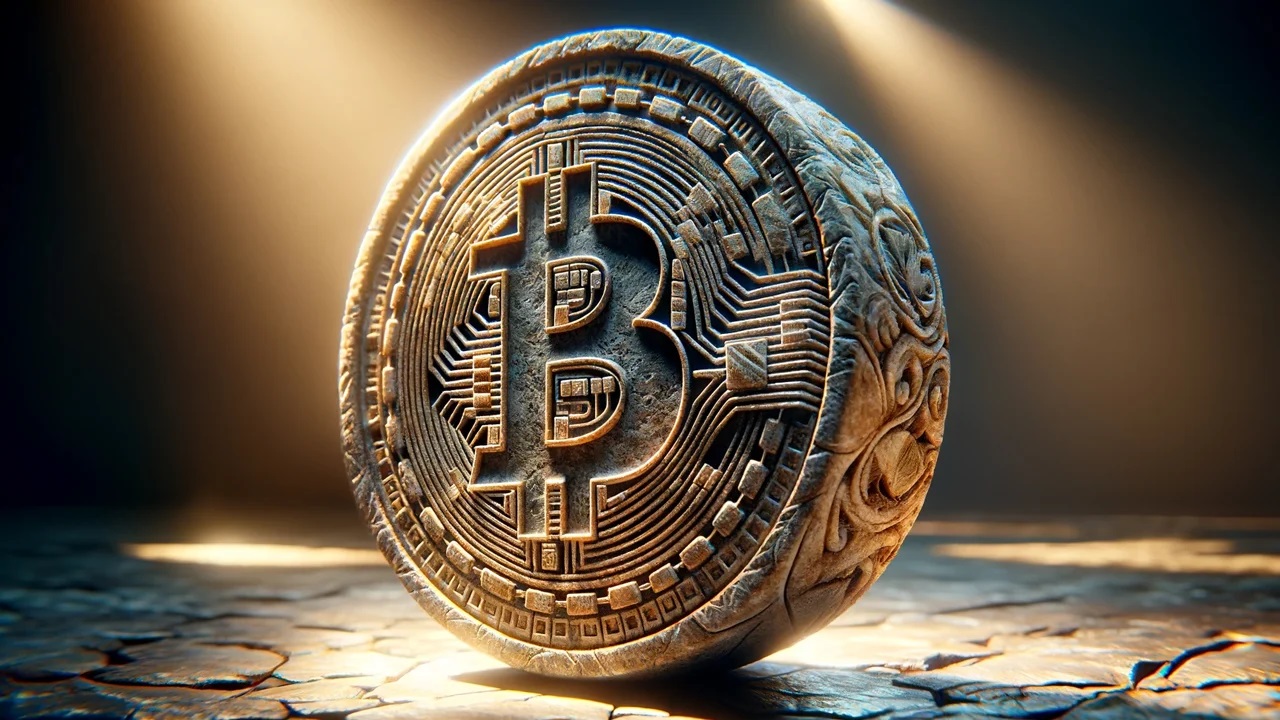
Bitcoin has become a significant player in today’s financial ecosystem, influencing how individuals and businesses perceive and utilize currency. As a decentralized digital asset, Bitcoin is increasingly being integrated into traditional finance, offering new solutions and opportunities for transactions, investments, and wealth management. Its emergence has sparked a wave of innovation, prompting both financial institutions and businesses to reconsider their payment strategies and investment portfolios.Bitcoin’s integration into traditional finance highlights its adaptability and appeal as an alternative to conventional banking systems.
Traditional financial institutions are beginning to embrace Bitcoin and other cryptocurrencies, leading to a shift in how financial services are delivered. Companies are developing platforms that allow customers to buy, sell, and hold Bitcoin, while others are exploring blockchain technology to enhance transparency and efficiency in transactions. This evolving relationship between Bitcoin and traditional finance serves as a testament to its growing acceptance and potential impact on the global economy.
Integration with Traditional Finance
Bitcoin is increasingly being recognized by financial institutions, which have begun to adapt their services to accommodate its use. This section Artikels some key areas where Bitcoin is integrated into the financial system, emphasizing its acceptance and functionality alongside traditional currencies.
- Payment Processing: Numerous payment processors, such as BitPay and CoinGate, enable businesses to accept Bitcoin as a payment method. This allows for faster transactions and reduced fees, making it an attractive option for merchants.
- Investment Vehicles: Financial firms like Grayscale Investments offer Bitcoin-focused investment products, allowing clients to gain exposure to Bitcoin without directly purchasing it. This has helped bridge the gap between traditional investments and digital assets.
- Exchange-Traded Funds (ETFs): Several countries, including Canada and Brazil, have approved Bitcoin ETFs, making it easier for investors to gain access to Bitcoin within their existing brokerage accounts.
Case Studies of Businesses Accepting Bitcoin
Several businesses have embraced Bitcoin as a payment option, showcasing its viability in the retail space and beyond. The following examples illustrate how companies are integrating Bitcoin into their payment systems.
- Overstock: An online retailer that has been accepting Bitcoin since 2014. Overstock allows customers to purchase a wide range of products using Bitcoin, positioning itself as a pioneer in cryptocurrency acceptance.
- AT&T: The telecommunications giant partnered with BitPay to enable customers to pay their bills using Bitcoin. This initiative caters to the growing number of cryptocurrency users seeking convenience in their transactions.
- Square: The financial services company founded by Jack Dorsey has integrated Bitcoin into its Cash App, allowing users to buy, sell, and hold Bitcoin seamlessly alongside traditional currency transactions.
Comparison of Bitcoin versus Traditional Currencies
Understanding the differences between Bitcoin and traditional currencies is essential for grasping Bitcoin’s role in the financial ecosystem. The following comparison highlights key attributes that set Bitcoin apart from conventional fiat currencies.
| Attribute | Bitcoin | Traditional Currencies |
|---|---|---|
| Decentralization | Operates on a decentralized network without central authority. | Controlled by central banks and governments. |
| Transaction Speed | Transactions can be completed within minutes. | May take several days for international transfers. |
| Inflation Resistance | Supply is capped at 21 million coins, limiting inflation. | Governments can print unlimited currency, leading to inflation. |
| Accessibility | Can be accessed with an internet connection, promoting inclusivity. | May require bank accounts and identification for access. |
Bitcoin’s decentralized nature and unique attributes challenge the traditional financial system, offering new possibilities for transactions and investment.
The Future of Bitcoin
As Bitcoin continues to evolve, its future is shaped by various technological advancements, regulatory changes, and market dynamics. Understanding how these factors intersect can provide insight into what lies ahead for this pioneering digital currency.
Potential Technological Advancements in Bitcoin
The future of Bitcoin is closely linked to several anticipated technological improvements that aim to enhance its functionality and user experience. Innovations such as the Lightning Network are designed to facilitate faster transactions while reducing costs. The Lightning Network operates as a second-layer solution on top of the Bitcoin blockchain, enabling off-chain transactions that can settle instantly. This has the potential to vastly increase transaction throughput, allowing Bitcoin to handle millions of transactions per second, akin to traditional payment processors like Visa.
Moreover, developments in sidechains may allow Bitcoin to integrate with other blockchains, enhancing its interoperability and expanding its use cases beyond simple transactions. These advancements will not only improve scalability but also contribute to Bitcoin’s robustness against potential future challenges.
Implications of Bitcoin’s Scalability
Scalability remains a critical issue for Bitcoin’s continued adoption and functionality. As more users turn to Bitcoin for various applications, the network must handle increased transaction volumes without compromising speed or security.The current blockchain can process approximately seven transactions per second, falling short when compared to centralized systems. By implementing solutions like the Lightning Network and optimization within the core protocol, Bitcoin could evolve to meet growing demand.
The increase in scalability may also lead to a more user-friendly experience. For instance, streamlined transaction processes could attract businesses and consumers alike, encouraging more people to adopt Bitcoin as a daily currency rather than just a store of value.
Predictions for Bitcoin’s Market Position in the Next Decade
Experts have varying forecasts for Bitcoin’s market status over the coming years, largely influenced by technological progress, market adoption, and regulatory developments. Many analysts predict that Bitcoin could solidify its position as a primary digital asset, potentially capturing a market share comparable to gold. Some forecasts suggest Bitcoin’s price could reach anywhere from $500,000 to $1 million per coin by 2030, driven by increasing scarcity due to its capped supply and growing institutional adoption.Additionally, developments in regulatory frameworks worldwide could either bolster Bitcoin’s legitimacy or pose challenges.
Countries that embrace cryptocurrency regulations may foster environments conducive to innovation, leading to greater adoption. Conversely, stringent regulations could hinder growth in regions resistant to digital currencies.
“Bitcoin is not just a currency; it’s a movement that is reshaping the future of finance.”
Risks and Challenges of Investing in Bitcoin
Investing in Bitcoin is not without its pitfalls. While the potential for high returns is alluring, understanding the risks and challenges is crucial for anyone considering entering the market. This section delves into the volatility of Bitcoin, legal hurdles, and common scams that can affect investors.
Volatility of Bitcoin
Bitcoin’s price is notoriously volatile, with significant price swings occurring frequently. This volatility can lead to substantial gains or devastating losses within a short period. For instance, in December 2017, Bitcoin reached an all-time high of nearly $20,000, only to plummet to around $3,000 by December 2018. Such fluctuations pose risks, particularly for inexperienced investors who may react impulsively to market changes.
The implications of volatility extend beyond mere price changes; they can influence investment strategies. Investors may need to employ risk management techniques, such as stop-loss orders, to mitigate potential losses. Moreover, the emotional stress caused by rapid price changes can lead to hasty investment decisions, further complicating the investment landscape.
Legal and Regulatory Challenges
The legal status of Bitcoin varies significantly across different jurisdictions, which can create challenges for investors. Regulatory bodies in various countries are still grappling with how to classify and regulate digital currencies. In some cases, governments may impose strict regulations, or even bans, which can hinder the accessibility and usability of Bitcoin.For example, countries like China have implemented stringent regulations that restrict cryptocurrency trading, creating uncertainty for investors.
This inconsistency can lead to a lack of confidence in the market, as changes in regulation can rapidly affect Bitcoin’s value and its legitimacy as an asset class.
Common Scams and Frauds Associated with Bitcoin Investments
As Bitcoin has gained popularity, so too have the opportunities for scams and fraudulent activities. Investors must remain vigilant to protect themselves from potential losses. Understanding common scams can help investors avoid falling victim to deceptive practices.Several prevalent scams associated with Bitcoin investments include:
- Ponzi Schemes: These scams promise high returns with little risk, often using funds from new investors to pay returns to earlier investors.
- Phishing Attacks: Fraudsters may attempt to trick investors into providing private keys or login information through fake websites or emails.
- Fake Exchanges: Some illicit platforms mimic reputable exchanges to steal funds, leaving investors with no recourse.
- Investment Programs: Unregulated investment schemes claim to offer guaranteed profits, often leading to complete loss of invested funds.
- ICO Scams: Initial Coin Offerings (ICOs) can sometimes be fraudulent, where the project disappears after raising funds without delivering any product.
Being aware of these scams is vital for safeguarding investments. Educating oneself and conducting thorough research before investing can help mitigate risks associated with fraudulent activities.
Ending Remarks
In conclusion, Bitcoin serves not just as a digital asset but as a transformative force in the financial landscape. As we have explored its workings, market dynamics, and potential future advancements, it’s clear that Bitcoin has cemented its place in both our economic and technological dialogue. The journey is far from over, and staying informed will be key for anyone looking to navigate this exciting frontier.
Expert Answers
What is Bitcoin?
Bitcoin is a decentralized digital currency that allows peer-to-peer transactions without the need for intermediaries like banks.
How does one buy Bitcoin?
You can buy Bitcoin through cryptocurrency exchanges, peer-to-peer platforms, or Bitcoin ATMs using fiat currency.
Is Bitcoin safe to invest in?
While Bitcoin has potential for high returns, it is also highly volatile and carries risks; investors should proceed with caution.
Can Bitcoin be used for everyday transactions?
Yes, many businesses and online platforms accept Bitcoin as a payment method, making it usable for everyday purchases.
What are Bitcoin forks?
Bitcoin forks are changes or upgrades to the Bitcoin protocol that can result in a split from the original blockchain, creating a new cryptocurrency.