May 14, 2026

Cryptocurrency

Bitcoin price today per coin opens the door to an intriguing analysis of the ever-evolving cryptocurrency landscape. As Bitcoin continues to capture the attention of investors and the public alike, understanding its current valuation and the factors driving its price is essential. From market trends to historical data, we’ll explore what influences the price today and what it means for potential investors.

With various elements at play, such as market sentiment and economic events, the price of Bitcoin serves as a reflection of both investor confidence and broader financial trends. Whether you’re a seasoned trader or just curious about this digital currency, grasping the nuances behind the current price is key to navigating the world of Bitcoin.

Bitcoin Price Today

The current price of Bitcoin has been a topic of keen interest for both investors and enthusiasts alike. As of today, Bitcoin is trading at approximately $30,000 per coin. This value is a result of various market dynamics and external influences that affect its price daily. The fluctuations in Bitcoin’s price can be attributed to several factors, including market demand, investor sentiment, regulatory news, and macroeconomic trends.

Over the years, Bitcoin has experienced significant price movements, ranging from its humble beginnings priced under a dollar to its all-time high of nearly $69,000 in November 2021. Understanding these historical trends is crucial for investors looking at the cryptocurrency market today.

Current Market Sentiment

The current market sentiment surrounding Bitcoin investments is cautiously optimistic. Many investors are hopeful about Bitcoin’s long-term potential, despite recent volatility. The sentiment is driven by increased institutional interest and adoption, suggesting a growing acceptance of Bitcoin as an asset class.Global economic events significantly impact Bitcoin’s price. For instance, inflation rates, interest rate changes, and geopolitical tensions can lead to price fluctuations.

Comparatively, Bitcoin’s price movements often correlate with other cryptocurrencies, yet it remains the benchmark. For instance, Ethereum and Binance Coin have shown similar trends but often lag behind Bitcoin’s price adjustments.

Technical Factors

Trading volumes play a significant role in Bitcoin pricing. Higher trading volumes typically indicate strong investor interest and can lead to more significant price movements. Conversely, low trading volumes might result in reduced price volatility.Key support and resistance levels for Bitcoin are critical for traders. The current support level is around $28,000, while resistance is noted at $32,000. Understanding these levels helps investors make informed decisions during trades.

Date Price (USD)
October 1, 2023 $29,500
October 2, 2023 $29,800
October 3, 2023 $30,000
October 4, 2023 $30,200
October 5, 2023 $30,500
October 6, 2023 $30,700
October 7, 2023 $30,000

Investment Strategies

When dealing with Bitcoin, several investment approaches can be effective. Long-term holding, or “HODLing,” remains a popular strategy as investors aim to capitalize on Bitcoin’s potential appreciation. Day trading is another approach, where traders take advantage of short-term price movements.Investing in Bitcoin carries several risk factors, particularly at its current price. Market volatility can lead to significant losses if prices decline suddenly.

Furthermore, regulatory changes can also impact Bitcoin’s viability and acceptance.Successful investment strategies often rely on market analysis and trends, such as dollar-cost averaging, where investors buy fixed amounts of Bitcoin at regular intervals, thus mitigating the impact of volatility.

Future Predictions

Experts project that Bitcoin’s price may continue to trend upwards in the coming weeks, especially if market conditions remain favorable. Regulatory changes, such as clearer guidelines for cryptocurrency operations, could potentially bolster investor confidence and further increase prices.Upcoming events, like major financial conferences or announcements by influential figures in the crypto space, could serve as catalysts for price movements. Additionally, technological advancements and network upgrades are also likely to influence Bitcoin’s price trajectory.

Tools and Resources

Several tools are available for tracking Bitcoin prices in real-time, which are essential for investors wanting to stay updated. Popular platforms include:

  • CoinMarketCap: Comprehensive cryptocurrency market data.
  • TradingView: Offers advanced charting tools for technical analysis.
  • Blockfolio: A mobile app for tracking crypto portfolio performance.

Additionally, several platforms enable users to trade Bitcoin. Some of the most noted platforms include Binance, Coinbase, and Kraken, each providing unique features suited for different types of traders.For those looking to understand Bitcoin price trends better, consider exploring these educational resources:

  • “Mastering Bitcoin” by Andreas M. Antonopoulos.
  • Online courses from Coursera and Udemy.
  • Crypto-focused podcasts such as “Unchained” and “The Pomp Podcast.”

Community Insights

Testimonials from Bitcoin investors reflect a mixed bag of experiences with price changes. Many investors express excitement and regret over missed opportunities during price surges.Social media trends significantly influence Bitcoin’s price, as platforms like Twitter and Reddit can drive investor sentiment and trading decisions.

“Bitcoin’s volatility is both a risk and an opportunity; understanding market trends is key.”

Financial Analyst.

Epilogue

In summary, Bitcoin price today per coin is not just a number; it encapsulates a myriad of factors that shape the cryptocurrency market. As we’ve seen, understanding these dynamics can empower investors to make informed decisions. With expert insights and market analysis at hand, the future of Bitcoin remains a topic of great interest and speculation. Navigating this landscape can be challenging, but with the right information, opportunities abound.

FAQ Insights

What is the current Bitcoin price today per coin?

The current price of Bitcoin per coin is updated frequently, so it’s best to check a reliable financial news site or cryptocurrency exchange for real-time data.

Why does Bitcoin price fluctuate so much?

Bitcoin price fluctuates due to various factors, including market demand, investor sentiment, regulatory news, and macroeconomic trends.

How can I invest in Bitcoin?

You can invest in Bitcoin through various cryptocurrency exchanges where you can buy, sell, and trade Bitcoin using fiat currency or other cryptocurrencies.

What are the risks of investing in Bitcoin?

Investing in Bitcoin carries risks such as high volatility, regulatory uncertainty, and the potential for loss of investment due to hacking or fraud.

What tools can I use to track Bitcoin price?

There are several tools available, including cryptocurrency exchanges, financial news websites, and dedicated cryptocurrency tracking apps.

Kicking off with bitcoin price today in naira, it’s essential to stay informed about the ever-evolving cryptocurrency market. Bitcoin, the leading digital currency, has garnered significant attention in Nigeria, especially as the Naira experiences fluctuations against it.

In this discussion, we will explore the current Bitcoin price in Naira, delve into historical trends, and analyze the factors that influence its value. Understanding how local regulations, economic indicators, and global trends impact Bitcoin pricing is crucial for anyone interested in investing or simply keeping up with the market.

Current Bitcoin Price in Naira

As of the latest update, the price of Bitcoin stands at approximately ₦XX,XXX. This figure is volatile and can change frequently, reflecting the dynamic nature of cryptocurrency markets. The price is determined by a combination of factors including supply and demand, market sentiment, and global economic conditions.The Bitcoin market operates on an open exchange system where buyers and sellers interact, resulting in price changes based on their respective bids and asks.

Various factors, such as market news, regulatory developments, and technological advancements, can influence price fluctuations. Today, Bitcoin’s price is particularly affected by the ongoing debates around cryptocurrency regulation in various countries and the general market sentiment surrounding digital assets.

Historical Bitcoin Price Trends in Naira

Understanding the historical price trends of Bitcoin in Naira over the past month provides valuable insights into its potential future movements. The data indicates fluctuations influenced by various events, such as regulatory news and market adoption trends.

Week Average Price (₦)
Week 1 ₦XX,XXX
Week 2 ₦XX,XXX
Week 3 ₦XX,XXX
Week 4 ₦XX,XXX

Historical price trends serve as a crucial tool for investors and analysts to predict future prices. By examining past performance, one can identify potential patterns or trends that may reappear, offering guidance for investment strategies.

Comparison with Other Currencies

When comparing the price of Bitcoin in Naira to its prices in USD and EUR, it is essential to recognize the broader context of currency strength and market dynamics. As of the latest data, Bitcoin is priced at approximately $XX,XXX and €XX,XXX.

Currency Price
Naira (₦) ₦XX,XXX
USD ($) $XX,XXX
EUR (€) €XX,XXX

Analysis shows that the price of Bitcoin in Naira often reflects similar trends seen in USD and EUR, indicating potential correlations. This can be attributed to global market movements where Bitcoin is traded against these major currencies.

Factors Affecting Bitcoin Price in Naira

Several economic indicators have a direct impact on Bitcoin’s price in Nigeria. These include inflation rates, currency stability, and overall economic health. In a vibrant economy, the demand for cryptocurrencies may increase, influencing prices positively.Additionally, local regulations around cryptocurrency trading can significantly affect Bitcoin pricing in Naira. Stricter regulations may lead to reduced market activity, while supportive policies may enhance investor confidence.Market sentiment also plays a pivotal role in driving Bitcoin prices.

Positive news can lead to buying frenzies, while negative developments can trigger sell-offs, thus impacting the price significantly.

Investment Strategies Based on Current Price

Given the current price of Bitcoin in Naira, a simple investment strategy could involve dollar-cost averaging, which allows investors to purchase Bitcoin at regular intervals regardless of price fluctuations. This mitigates the risk of making large purchases at unfavorable prices.Risk management techniques are vital for anyone investing in Bitcoin. Strategies such as setting stop-loss orders and maintaining a diversified portfolio can help protect against significant losses.Successful investment moves can often be seen in trades made shortly after significant price drops, where investors capitalize on recovering trends.

For instance, buying Bitcoin when it dips below a certain threshold can lead to substantial gains when the price rebounds.

Tools for Tracking Bitcoin Price

Several popular tools and websites are available for monitoring Bitcoin prices in Naira. Platforms such as CoinMarketCap and Binance provide real-time updates and historical data, making them essential resources for traders.Setting up price alerts can be done easily on most trading platforms. Users can customize alerts to notify them when Bitcoin reaches specific price points, facilitating timely investment decisions.Mobile apps have become a preferred method for tracking Bitcoin prices due to their convenience.

They often offer user-friendly interfaces, allowing investors to monitor markets and execute trades on the go.

Community Sentiment towards Bitcoin Price

Community discussions regarding the current Bitcoin price in Naira can be observed on various social media platforms. Many users express optimism about Bitcoin’s future, citing its potential for growth and increased adoption.Insights from experts and influencers reveal a mixed sentiment, with some advocating for cautious investment while others encourage aggressive trading strategies based on market trends. Overall, the sentiment among Nigerian users toward Bitcoin investment seems positive today, driven by a combination of market developments and increasing awareness of cryptocurrency’s potential benefits.

End of Discussion

In conclusion, the Bitcoin price today in Naira presents both challenges and opportunities for investors and enthusiasts alike. By staying informed about market trends and employing strategic investment techniques, one can navigate this dynamic landscape effectively. As Bitcoin continues to evolve, being part of the conversation is key to making informed decisions.

Common Queries

What is the current Bitcoin price in Naira?

The current Bitcoin price in Naira fluctuates frequently; please check a reliable crypto exchange for real-time updates.

How is Bitcoin price determined?

Bitcoin price is primarily determined by supply and demand dynamics in the market, influenced by various factors such as market sentiment and investor behavior.

What economic indicators affect Bitcoin pricing in Nigeria?

Economic indicators such as inflation rates, exchange rates, and local regulations can significantly influence Bitcoin pricing in Nigeria.

Is investing in Bitcoin in Naira a good idea?

Investing in Bitcoin can be lucrative but also comes with risks; it is essential to conduct thorough research and consider market volatility.

What tools can I use to track Bitcoin prices in Naira?

Popular tools for tracking Bitcoin prices include crypto exchange platforms, mobile apps, and financial news websites that provide real-time updates.

Btc price usd online has become a focal point for investors and enthusiasts alike, encapsulating the ever-changing dynamics of cryptocurrency trading. Understanding the factors that drive these price fluctuations, from market trends to global events, is essential for anyone looking to navigate this exciting yet volatile landscape.

As we delve into the complexities of BTC pricing, we will explore historical trends, analyze prediction methods, and look at various tools available for tracking these prices in real-time. With the recent surge in interest surrounding cryptocurrencies, staying updated on BTC prices and the influences behind them can make a significant difference in investment decisions.

Understanding BTC Price Dynamics

The price of Bitcoin (BTC) is influenced by various factors that create a complex web of dynamics in the cryptocurrency market. Understanding these factors is crucial for any investor or enthusiast looking to navigate BTC’s volatile nature.

Factors Influencing BTC Price Changes

Several key factors significantly impact the price of Bitcoin in USD. These include:

  • Market Sentiment: The overall mood of investors can drive BTC prices up or down. Bullish sentiment tends to raise prices, while bearish sentiment can lead to declines.
  • Regulatory News: Announcements regarding government regulations can lead to swift changes in BTC price as traders react to legal uncertainties.
  • Technological Developments: Updates and improvements in blockchain technology or Bitcoin itself can enhance its usability and security, thus impacting its value.
  • Macroeconomic Indicators: Economic factors such as inflation rates, currency strength, and global market trends play a significant role in BTC pricing.

Supply and Demand Role

The fundamental economic principle of supply and demand is paramount in determining BTC prices. As the supply of Bitcoin approaches its maximum limit of 21 million coins, increased demand can lead to significant price surges.

Historical BTC Price Trends

Over the past decade, Bitcoin has experienced dramatic price fluctuations that reflect both its growing adoption and the evolving market landscape. Historical trends provide insights into how BTC has reacted under various conditions.

Price Fluctuations Overview

Bitcoin’s price history shows several notable peaks and troughs:

  • In 2013, BTC surged to over $1,000 for the first time, driven by increased media coverage and speculation.
  • 2017 saw a meteoric rise to nearly $20,000, followed by a severe correction in early 2018.
  • In late 2020 and early 2021, BTC reached new all-time highs above $60,000, largely fueled by institutional adoption.

Significant Events Impacting BTC Prices

Certain events have markedly affected Bitcoin’s price trajectory, including:

  • The announcement of Bitcoin futures trading in December 2017.
  • The COVID-19 pandemic’s economic ramifications in 2020.
  • Major corporations and institutional investors adding BTC to their balance sheets in 2021.

Tools for Tracking BTC Price in USD

To effectively monitor Bitcoin’s price movements, a variety of online platforms and tools are available. These resources help investors stay informed about real-time price changes.

Platforms for BTC Price Tracking

Several tools offer comprehensive tracking capabilities:

  • CoinMarketCap: Provides extensive data on BTC prices across various exchanges, including market capitalizations and trading volumes.
  • Binance: A popular cryptocurrency exchange that allows users to monitor live BTC prices and execute trades directly.
  • CoinGecko: Offers detailed charts and analytics for BTC and other cryptocurrencies, with a user-friendly interface.

Benefits of Mobile Applications

Mobile applications provide significant advantages for tracking BTC prices:

  • Real-time notifications for price changes.
  • Easy access to detailed charts and historical data.
  • Ability to trade directly from the app.

Comparison of BTC Price Tracking Tools

The following table summarizes various BTC price tracking tools, highlighting their features and pricing:

Tool Key Features Pricing
CoinMarketCap Comprehensive market data, charts, and news Free
Binance Trading platform with live price updates Free (trading fees apply)
CoinGecko Analytics, historical data, and price alerts Free

Analyzing BTC Price Predictions

Forecasting Bitcoin’s price involves various analytical methods that draw from market data, trends, and sentiment analysis. These predictions can help investors make informed decisions.

Methods for Price Prediction

Analysts employ several techniques to predict BTC prices, including:

  • Technical Analysis: Utilizing historical price patterns and technical indicators to forecast future movements.
  • Fundamental Analysis: Examining the underlying factors that could influence Bitcoin’s demand and supply, such as adoption rates and regulatory developments.
  • Sentiment Analysis: Gauging the mood of the market through social media, news articles, and public sentiment surveys.

Market Sentiment and Pricing Forecasts

Market sentiment plays a crucial role in shaping BTC price predictions. Positive news or developments can lead to bullish forecasts, while negative sentiment may trigger bearish outlooks.

Top Resources for BTC Price Prediction

Investors looking to stay ahead of the curve can utilize these valuable resources for BTC price predictions:

  • TradingView: Offers advanced charting tools and community insights.
  • CoinTelegraph: Provides news articles and expert opinions on market trends.
  • CryptoCompare: Features price comparison and prediction analysis.

Impact of Global Events on BTC Price

Bitcoin prices are not only influenced by internal market dynamics but also by significant global events. Understanding these correlations can provide deeper insights into price behavior.

Major Global Events Affecting BTC Prices

Several notable global events have left a mark on BTC’s price history:

  • The introduction of blockchain technology and its increasing adoption.
  • Financial crises and economic downturns that bolster interest in decentralized currencies.
  • Geopolitical tensions that drive investors towards alternatives like Bitcoin.

Economic Indicators and BTC Movements

Economic indicators such as inflation rates and interest rates can heavily influence Bitcoin’s price trajectory. For instance, high inflation may drive investors to seek BTC as a hedge against currency devaluation.

Correlation Table of Global Events and BTC Price Changes

The following table illustrates the correlation between selected global events and notable BTC price changes:

Event Date Impact on BTC Price
COVID-19 Pandemic March 2020 Initial drop followed by a significant rise as economies printed money.
China’s Ban on Cryptocurrencies September 2021 Immediate drop in BTC price due to market panic.
Institutional Adoption 2020-2021 Strong price growth as companies began adding BTC to their portfolios.

BTC Price and Regulation

Government regulations play a pivotal role in shaping the landscape of Bitcoin pricing. The regulatory environment can bolster or hinder BTC’s market acceptance and stability.

Effects of Government Regulations

Regulatory frameworks can impact BTC prices in various ways:

  • Clear regulations can foster institutional investment and market stability.
  • Regulatory crackdowns can lead to volatility and uncertainty among investors.

Recent Regulatory Developments

Keeping track of regulatory changes is essential for understanding BTC price movements:

  • Increased scrutiny from governments worldwide regarding cryptocurrency transactions.
  • The introduction of a regulatory framework in the US that aims to provide clarity for businesses and investors.

Staying Informed About Regulatory Changes

Investors can stay updated on regulatory developments affecting BTC by following:

  • Official government announcements regarding cryptocurrency regulations.
  • News outlets dedicated to covering the cryptocurrency industry.
  • Social media platforms where industry leaders share insights.

Community Perspectives on BTC Value

The cryptocurrency community plays a crucial role in shaping the perception and value of Bitcoin. Insights from various stakeholders can provide a broader understanding of BTC’s market position.

Influence of Community Sentiment

Community sentiment significantly impacts BTC valuation, often reflected in discussions on forums and social media.

  • Online forums like Reddit provide a platform for debates and sharing bullish or bearish sentiments.
  • Community-driven projects can affect BTC’s perceived value and usage.

Examples of Online Discussions

Discussions around Bitcoin often reveal diverse opinions on its future value, influenced by recent market activities and technological advancements.

  • Topics such as Bitcoin’s scalability and transaction fees frequently spark debate.
  • Community members often share predictions based on market trends and personal experiences.

Influential Figures in the Cryptocurrency Community

Many influential figures shape the views on BTC pricing and value:

  • Andreas Antonopoulos: A prominent advocate for Bitcoin, known for his educational contributions.
  • Elon Musk: His tweets have been known to directly influence BTC prices.
  • Vitalik Buterin: Co-founder of Ethereum, often comments on Bitcoin’s value and potential.

Closing Notes

In summary, the landscape of btc price usd online is shaped by a multitude of factors including market sentiment, global events, and regulatory changes. By understanding these elements, investors can make informed decisions and stay ahead in the fast-paced world of cryptocurrency. As we continue to witness the evolution of Bitcoin and its impact on the financial market, staying informed and adaptable will be key to capitalizing on its potential.

Commonly Asked Questions

What factors influence BTC price changes?

Factors such as market trends, supply and demand, and global economic events significantly influence BTC price changes.

How can I track BTC prices in real-time?

There are various platforms and mobile apps available that provide real-time updates on BTC prices, including exchanges and financial news websites.

What significant events have historically impacted BTC prices?

Events such as regulatory news, market crashes, and major technological advancements in blockchain have historically influenced BTC prices.

How do analysts predict BTC prices?

Analysts use various methods, including market sentiment analysis, technical indicators, and historical data trends to predict BTC prices.

What role do regulations play in BTC pricing?

Government regulations can significantly impact BTC prices by affecting market accessibility, investor confidence, and the legal status of cryptocurrencies.

Bitcoin live price serves as a crucial indicator for investors and traders alike, highlighting the ever-changing landscape of cryptocurrency. With its significance rooted in market dynamics, understanding the factors that influence Bitcoin’s price fluctuations is essential for anyone engaged in the crypto space. Historical price trends also provide valuable context, helping to frame current movements in the market.

As Bitcoin continues to gain traction globally, the live price reflects not only market sentiment but also the impact of economic events, regulatory news, and technological advancements. Those looking to navigate this volatile market will benefit from staying updated on real-time pricing and the ever-evolving strategies for trading.

Introduction to Bitcoin Live Price

Tracking Bitcoin’s live price is pivotal for investors, traders, and enthusiasts alike. The cryptocurrency market is highly volatile, and real-time data can significantly influence trading decisions and market sentiment. Understanding the live price of Bitcoin not only allows participants to capitalize on price movements but also helps in comprehending broader market trends and economic factors.Several factors contribute to the fluctuations in Bitcoin’s price, making it a dynamic asset.

These include market demand and supply, regulatory news, technological developments, and macroeconomic indicators. For instance, an increase in demand due to significant institutional investment can lead to price surges, while negative regulatory news could trigger sharp declines. Additionally, external factors such as geopolitical events and technological advancements in blockchain can also impact Bitcoin’s valuation.

Historical Pricing Trends of Bitcoin

The historical context of Bitcoin’s pricing reveals its evolution from a niche digital currency to a mainstream financial asset. Initially launched in 2009, Bitcoin’s value was virtually nonexistent, with the first recorded price being $0.0008 in

The journey has seen dramatic price surges and corrections, influenced by various events and trends, such as:

  • 2013 Surge: Bitcoin’s price rose from around $13 in January to over $1,100 by December, primarily due to increased media coverage and adoption.
  • 2017 All-Time High: The price skyrocketed to nearly $20,000 in December 2017, driven by heightened speculation and the introduction of Bitcoin futures.
  • 2020-2021 Bull Run: The COVID-19 pandemic spurred a new wave of institutional interest, with Bitcoin reaching an all-time high of over $64,000 in April 2021.

These historical milestones illustrate Bitcoin’s volatile nature and the factors contributing to its price changes. Investors and traders must analyze these trends to make informed decisions in the ever-evolving cryptocurrency market.

“The price of Bitcoin is a reflection of its increasing adoption and the growing recognition of its potential as a digital store of value.”

Sources for Bitcoin Live Price

To successfully track Bitcoin’s live price, utilizing reliable platforms is crucial. Several reputable sources provide real-time updates, ensuring traders and investors have access to accurate data. This information can guide decision-making and improve trading strategies in the volatile cryptocurrency market.Various cryptocurrency exchanges and financial platforms differ significantly in how they present Bitcoin price data. While some exchanges offer direct trading options, others may aggregate prices from multiple sources, which can lead to slight discrepancies.

Understanding these differences can help users choose the best platform for their needs.

Reliable Platforms for Real-Time Bitcoin Prices

When it comes to finding the most reliable sources for live Bitcoin pricing, several platforms stand out. The following list highlights the top five sources, detailing their unique features and the advantages they offer for real-time tracking.

Platform Type Price Accuracy Features
CoinMarketCap Aggregator High Comprehensive market data, charts, and historical prices.
Binance Exchange Very High Lowest trading fees, advanced trading tools, and high liquidity.
Coinbase Exchange High User-friendly interface, strong security, and educational resources.
Kraken Exchange High Advanced trading options and robust security measures.
Yahoo Finance Financial News Moderate Market news, analytical tools, and price tracking.

Each of these platforms has its own strengths, making them suitable for different types of users. For instance, CoinMarketCap is ideal for those seeking a broad overview of market trends, while Binance is favored by active traders due to its low fees and liquidity. Understanding the features of each source can help users choose the platform that best fits their trading style and requirements.

“Price discrepancies among exchanges can impact trading outcomes. Hence, selecting a reliable source is essential for informed decision-making.”

Tools for Monitoring Bitcoin Live Price

As the cryptocurrency market continues to evolve, having the right tools at your disposal to monitor Bitcoin’s live price can make a significant difference in your trading and investment strategies. Various applications and platforms offer real-time data, price alerts, and analytics to help users stay informed and make educated decisions.Several applications and tools have been developed specifically for tracking Bitcoin prices.

These resources not only provide current price information but also offer various additional features such as historical data, market trends, and portfolio management. Below is a list of popular tools that can enhance your Bitcoin monitoring experience.

Popular Tools for Tracking Bitcoin Prices

These applications and tools can help you effectively track Bitcoin’s live price and stay updated on the market’s movements:

  • CoinMarketCap: A comprehensive resource for cryptocurrency prices, CoinMarketCap provides real-time price data, market capitalization, and trading volume for Bitcoin and thousands of other cryptocurrencies.
  • CryptoCompare: This platform allows users to compare prices across multiple exchanges and provides various analytical tools to help make informed trading decisions.
  • Blockfolio: A mobile app that enables users to track their cryptocurrency portfolios and receive real-time updates on Bitcoin’s price fluctuations.
  • CoinGecko: CoinGecko tracks price, volume, and market capitalization of Bitcoin and other cryptocurrencies while also providing informational insights on upcoming projects.
  • TradingView: A sophisticated charting platform that allows users to analyze Bitcoin’s price trends through advanced technical indicators and customizable charts.

To ensure you never miss significant price movements, setting up price alerts is essential. Price alerts notify you when Bitcoin reaches a certain price point, allowing you to react quickly to market changes.

Guide to Setting Up Price Alerts for Bitcoin

Setting up price alerts for Bitcoin is a straightforward process that can typically be done through most cryptocurrency apps or trading platforms. Below are general steps to follow when configuring these alerts:

1. Choose Your Preferred App or Platform

Select one of the aforementioned tools that supports price alerts.

2. Create an Account

If you haven’t already, sign up and create an account on the application.

3. Navigate to Price Alerts Section

Locate the price alerts section within the app or platform. This is often found under settings or notifications.

4. Set Desired Price Levels

Define the specific price points at which you want to receive alerts. This can be set for both price increases and decreases.

5. Choose Notification Method

Select how you want to be notified—through push notifications, email, or SMS.

6. Save Your Alerts

Once you’ve configured your price alert settings, save your preferences.Following these steps can help you maintain a proactive approach to Bitcoin trading and investment.

Responsive HTML Table of Popular Tools

Below is a responsive HTML table showcasing some of the popular tools for monitoring Bitcoin prices, along with their features:

Tool Name Key Features Platform Availability
CoinMarketCap Real-time price data, market cap, historical data Web, iOS, Android
CryptoCompare Price comparison, market overview, portfolio tracker Web, iOS, Android
Blockfolio Portfolio management, price alerts, news feed iOS, Android
CoinGecko Market data, price tracking, community stats Web, iOS, Android
TradingView Advanced charting tools, trading indicators Web, iOS, Android

This table provides a quick reference to the main features and platform availability of popular Bitcoin tracking tools, helping you choose the right one for your needs.

Technical Analysis for Bitcoin Price

Technical analysis plays a crucial role in understanding Bitcoin’s price movements. By employing various indicators and chart patterns, traders can gain insights into potential future price changes. This analysis helps in making informed trading decisions, setting entry and exit points, and managing risks effectively.Among the most common technical indicators utilized in Bitcoin price analysis are Moving Averages, Relative Strength Index (RSI), and Fibonacci Retracement levels.

Each of these indicators serves a different purpose and can shed light on market trends, momentum, and potential reversal points.

Common Technical Indicators

Understanding the key technical indicators is essential for effective analysis. These indicators assist traders in identifying market trends and potential entry points.

  • Moving Averages (MA): A widely used indicator that smooths out price data to identify trends over specific periods. The two common types are Simple Moving Average (SMA) and Exponential Moving Average (EMA).
  • Relative Strength Index (RSI): A momentum oscillator that measures the speed and change of price movements. An RSI above 70 indicates overbought conditions, while below 30 indicates oversold conditions.
  • Bollinger Bands: These bands are composed of a middle band (SMA) and two outer bands that represent volatility. Prices tend to bounce between the bands, indicating potential buy or sell signals.
  • MACD (Moving Average Convergence Divergence): This indicator shows the relationship between two moving averages of a security’s price. A bullish crossover occurs when the MACD line crosses above the signal line, suggesting upward momentum.
  • Fibonacci Retracement: Based on the Fibonacci sequence, this tool helps identify potential support and resistance levels. Traders often use these levels to make decisions about entry and exit points.

Interpreting Price Charts

Price charts are vital tools in technical analysis, providing a visual representation of Bitcoin’s price movements over time. By interpreting these charts effectively, traders can identify patterns and trends that suggest future price movements.Candlestick charts are particularly popular among traders for their detailed price information. Each candlestick displays the open, high, low, and close prices for a specific time period, providing insight into market sentiment.

Traders often look for patterns such as “bullish engulfing” or “doji” formations to predict potential price reversals or continuations.

Patterns such as head and shoulders indicate potential trend reversals, while flags and pennants suggest continuation of existing trends.

Historical Price Patterns and Outcomes

Analyzing historical price patterns can provide valuable insights into Bitcoin’s future price movements. Recognizing these patterns allows traders to anticipate market behavior based on past performance.For instance, in late 2017, Bitcoin experienced a significant price surge reaching nearly $20,000 before undergoing a correction. This price action formed a classic bubble pattern, often characterized by rapid price increases followed by sharp declines.

Similarly, the “double bottom” pattern observed in early 2019 suggested a strong reversal, leading to a bullish trend that saw Bitcoin’s price rise significantly over subsequent months.

The history of Bitcoin is filled with noteworthy patterns, highlighting the importance of technical analysis in forecasting potential price movements.

Impact of News on Bitcoin Live Price

The price of Bitcoin is significantly influenced by various news events and global economic happenings. Investors and traders closely monitor these developments, as they can lead to immediate fluctuations in the market. Understanding the impact of news on Bitcoin pricing is vital for anyone involved in cryptocurrency trading or investment.Global economic events can have a profound effect on Bitcoin’s price.

For instance, announcements regarding inflation rates, employment figures, and interest rate decisions from major economies can lead to increased volatility in the cryptocurrency market. When traditional markets react negatively to economic news, investors may flock to Bitcoin as a hedge against instability, driving its price up. Conversely, positive economic indicators may lead to a decline in Bitcoin’s appeal, causing its price to fall as investors return to traditional assets.

Influence of Regulatory News on Cryptocurrency Markets

Regulatory developments play a crucial role in shaping the cryptocurrency landscape. News regarding the legal status of Bitcoin and other cryptocurrencies can lead to significant price swings, as market participants react to the potential implications of such regulations. Recent examples of regulatory news include:

  • The U.S. Securities and Exchange Commission (SEC) announcing intentions to scrutinize cryptocurrency exchanges, which sparked concerns about increased regulation and compliance costs for these platforms.
  • The European Union’s MiCA (Markets in Crypto-Assets) regulation proposal, which aims to create a comprehensive framework for cryptocurrencies in Europe, leading to speculation on how these regulations would impact market dynamics.
  • China’s renewed crackdown on cryptocurrency mining and trading, which triggered a drop in Bitcoin prices as traders reacted to fears of reduced market participation.

Each of these regulatory news events can lead to significant price changes, either by instilling confidence in the market or causing panic among investors. The continuous evolution of regulations worldwide means that traders must stay informed and agile in response to news that could impact the legitimacy and viability of Bitcoin as an asset class.

Recent News Events Causing Significant Price Changes

Several key news events have recently influenced Bitcoin’s price trajectory. Monitoring these events is essential for understanding market movements. Here are notable examples that caused considerable price shifts:

  • The announcement of Tesla’s purchase of $1.5 billion in Bitcoin, which led to a surge in Bitcoin’s price due to increased institutional interest.
  • The news of major financial institutions like Goldman Sachs reopening their cryptocurrency trading desk, resulting in heightened investor optimism and a subsequent price rally.
  • The concerns over inflation and potential interest rate hikes by central banks, which pushed Bitcoin’s price to new highs as it was seen as a store of value.

These events illustrate how news can create immediate and sometimes dramatic changes in Bitcoin’s live price, reflecting the market’s sensitivity to external factors. Staying updated on such developments can provide traders and investors with a competitive edge in navigating the cryptocurrency market.

Volatility of Bitcoin Live Price

Bitcoin’s live price is known for its dramatic swings, a characteristic that is both a point of intrigue and concern for investors. Understanding the volatility of Bitcoin is essential for anyone looking to navigate the cryptocurrency market. This volatility reflects the rapid changes in Bitcoin’s price, which can create both opportunities and risks for traders and holders alike.Volatility in cryptocurrency markets refers to the extent of price fluctuations over a certain period.

Unlike traditional markets, cryptocurrencies like Bitcoin often experience significant price changes in a short timeframe. This concept is pivotal as it affects trading strategies, investment decisions, and market predictions.

Factors Contributing to Bitcoin’s High Volatility

Several elements contribute to the pronounced volatility of Bitcoin, making it one of the most unpredictable assets. Understanding these factors can provide insights into potential price movements.

  • Market Sentiment: The collective mood of investors can lead to rapid price changes. Positive news can drive prices up while negative news can cause swift declines.
  • Liquidity: Compared to traditional assets, Bitcoin has lower liquidity. A single large transaction can significantly impact its price.
  • Regulatory News: Announcements regarding regulations in major markets can lead to abrupt price changes, reflecting investors’ reactions to potential legal frameworks.
  • Technological Developments: Updates and changes to the Bitcoin protocol can affect investor confidence and impact prices rapidly.
  • Market Manipulation: Due to the relatively small market size, it is more susceptible to manipulation by large players, leading to sudden price fluctuations.

Statistical Data Illustrating Bitcoin’s Price Volatility Over Time

Analyzing Bitcoin price over the years reveals its volatility through various metrics. For instance, the historical data shows that Bitcoin has experienced price swings of over 20% within a single day on multiple occasions.

Year Highest Price (USD) Lowest Price (USD) Annual Volatility (%)
2013 $1,150 $13 550%
2017 $19,783 $775 1300%
2020 $29,000 $3,850 300%
2021 $64,000 $28,600 150%

“Bitcoin’s volatility is a double-edged sword; it presents both significant opportunities and risks for investors.”

The data demonstrates that Bitcoin’s price can fluctuate wildly, with annual volatility percentages often exceeding those of traditional assets. This characteristic can be advantageous for traders looking to capitalize on price movements but can also lead to substantial losses for those unprepared for the risks involved.

Strategies for Trading Bitcoin Based on Live Price

Bitcoin Price Watch; Here's What's On Tonight 2017-12-28

Trading Bitcoin effectively requires a deep understanding of live price movements and the implementation of sound strategies. The crypto market is known for its volatility, making it essential for traders to adopt strategies that can capitalize on price fluctuations while managing risk. Here, we explore various trading strategies that leverage live Bitcoin prices, providing traders with actionable insights.

Day Trading Strategy

Day trading is a popular strategy that involves making multiple trades within a single day to profit from short-term price movements. Here’s a step-by-step guide to executing a day trading strategy for Bitcoin:

1. Set Up Your Trading Environment

Choose a reliable trading platform that provides real-time live price data.

Ensure you have access to technical analysis tools and charts.

2. Select Your Trading Pairs

Focus on Bitcoin paired with major cryptocurrencies or fiat currencies, such as BTC/USD or BTC/ETH.

3. Analyze Live Price Movements

Monitor live price charts for trends, support and resistance levels, and price patterns.

4. Establish Entry and Exit Points

Determine specific price levels for entering and exiting trades based on your analysis.

5. Implement Risk Management

Set stop-loss orders to limit potential losses and define your risk-reward ratio.

6. Execute Trades

Place buy or sell orders as per your strategy while closely monitoring the market for sudden price changes.

7. Review and Adjust

After each trading session, review your trades to assess performance and adjust your strategy accordingly.

Traders can often react swiftly to sudden price changes by utilizing stop-loss orders and limit orders to minimize losses and secure profits. For instance, if Bitcoin’s price spikes unexpectedly due to a positive news announcement, a trader who has set a limit sell order may automatically sell their holdings, thus locking in profits before the price potentially drops again.

“The key to successful day trading is not just about timing the market, but also understanding how to respond quickly to price movements.”

Examples of Reacting to Price Changes

In the volatile world of Bitcoin trading, sudden price changes require prompt and strategic responses. Here are a couple of examples illustrating how traders can effectively react:

Example 1

Positive Market News If a significant financial institution announces it will start accepting Bitcoin for transactions, the price may surge. A trader who identifies this news quickly can execute a buy order, anticipating further price increases.

Example 2

Market Correction Suppose Bitcoin experiences a rapid increase, reaching an all-time high. A trader may foresee a market correction. By setting a stop-loss order just below the recent support level, they can protect their investment against a sudden downturn.These strategies, when executed carefully, can enhance trading success and help mitigate risks associated with Bitcoin trading volatility.

Future Projections for Bitcoin Live Price

As we look ahead at the future of Bitcoin, various experts and analysts are offering their forecasts and predictions, shaped by the evolving landscape of cryptocurrency. Understanding where Bitcoin might be headed requires a comprehensive analysis of market trends, sentiment, and external factors that influence price dynamics.Market sentiment plays a critical role in the future price projections of Bitcoin. Positive or negative sentiments can lead to significant price fluctuations, affecting traders’ decisions.

The collective mood of investors, driven by news, social media, and market movements, contributes to the overall perception of Bitcoin’s value.

Expert Predictions on Bitcoin Price Trends

Various financial experts and analysts have weighed in on the potential future prices of Bitcoin, taking into account market conditions, historical data, and global economic factors. Here are some noteworthy opinions on where Bitcoin prices might head:

  • Many analysts believe Bitcoin could reach $100,000 by the end of 2024, driven by increasing institutional adoption and the scarcity of supply due to halving events.
  • Some forecasts suggest a more conservative estimate, projecting Bitcoin to stabilize around the $50,000 mark as it gains traction as a legitimate store of value.
  • There are bullish predictions from notable investors like Cathie Wood, who anticipates Bitcoin could eventually surpass $500,000 as adoption grows globally.
  • Conversely, bearish sentiments from skeptics exist, warning of potential corrections that could see Bitcoin dip below $30,000 if regulatory pressures intensify.
  • Market analysts emphasize that Bitcoin’s future will heavily depend on macroeconomic factors, including inflation rates and currency devaluation, which could either bolster or hinder its appeal.

These expert opinions underscore the inherent uncertainty and volatility of the cryptocurrency market. As Bitcoin continues to evolve, staying informed about market sentiment and expert forecasts will be essential for anyone looking to navigate its future price movements effectively.

Conclusive Thoughts

In summary, monitoring Bitcoin live price is not just about tracking numbers—it’s about understanding a complex interplay of market forces, news, and technological developments. As the crypto market evolves, staying informed and adapting strategies will be key to harnessing the potential of Bitcoin. The journey of Bitcoin’s price is ongoing, and with the right tools and insights, you can be better prepared to navigate its twists and turns.

Quick FAQs

What factors influence Bitcoin’s live price?

Factors include market demand, global economic events, regulatory news, and technological advancements.

How can I track Bitcoin’s live price?

You can track it using cryptocurrency exchanges, financial news websites, and dedicated price monitoring apps.

Why is Bitcoin’s price so volatile?

Bitcoin’s volatility is driven by market sentiment, trading volume, regulatory developments, and speculative trading.

What are some common tools for monitoring Bitcoin prices?

Popular tools include CoinMarketCap, Binance, CryptoCompare, and various mobile apps dedicated to cryptocurrency tracking.

How do I set up price alerts for Bitcoin?

You can set up price alerts through most trading platforms or cryptocurrency tracking apps that offer this feature.

Bitcoin Gold Coin represents a significant evolution in the ever-changing cryptocurrency landscape, offering both opportunities and challenges for investors and users alike. As a fork of the original Bitcoin, it aims to address some of the limitations of its predecessor while maintaining the core principles that have made Bitcoin popular.

Understanding Bitcoin Gold Coin involves exploring its unique origins, technological differences, and potential applications, all of which contribute to its growing presence in the digital currency market.

Introduction to Bitcoin Gold Coin

Bitcoin Gold Coin (BTG) is a significant player in the evolving landscape of cryptocurrency, serving as a notable alternative to the original Bitcoin. Created to address certain limitations of Bitcoin, Bitcoin Gold aims to democratize mining by enabling everyday users to participate in coin generation, thereby making the process more accessible. The emergence of Bitcoin Gold represents a shift towards a more inclusive financial ecosystem, where decentralized currency is available to a broader audience.The origins of Bitcoin Gold date back to October 2017, when it was introduced as a hard fork of the original Bitcoin.

This means that BTG shares the same transaction history prior to the fork but diverges in its operational mechanics. The development of Bitcoin Gold was driven by a desire to enhance the mining landscape, making it possible for ordinary users with standard hardware to mine the coin, unlike Bitcoin, which has become dominated by large mining pools and specialized equipment.

This initiative reflects the core ethos of the blockchain movement—empowering individuals to control their financial destiny.

Key Differences Between Bitcoin and Bitcoin Gold Coin

Understanding the distinctions between Bitcoin and Bitcoin Gold is essential for anyone interested in the cryptocurrency market. These differences highlight the unique approaches each coin takes towards decentralization, mining, and transaction processing. Here are the main differences:

  • Mining Algorithm: Bitcoin Gold utilizes the Equihash algorithm, which is designed to facilitate mining with consumer-grade hardware. In contrast, Bitcoin relies on the SHA-256 algorithm, making it less accessible for casual miners.
  • Supply Cap: Both Bitcoin and Bitcoin Gold have a capped supply of 21 million coins, ensuring scarcity. However, the distribution mechanisms post-fork differ, affecting the market dynamics.
  • Community Focus: Bitcoin Gold emphasizes community involvement and aims to maintain a more decentralized mining process. This is in contrast to Bitcoin, which has seen increasing centralization due to the dominance of professional mining operations.
  • Price Variability: The price of Bitcoin Gold tends to be more volatile compared to Bitcoin, influenced by its smaller market capitalization and less widespread adoption.

The differences Artikeld above illustrate how Bitcoin Gold positions itself within the cryptocurrency ecosystem. These factors not only impact the operational efficacy of each coin but also the user experience and the potential for broader adoption in an ever-changing digital economy.

Technical Aspects of Bitcoin Gold Coin

Bitcoin Gold Coin incorporates a multitude of advanced technologies that enhance its functionality and user experience. By leveraging these underlying technologies, Bitcoin Gold Coin aims to provide a decentralized and efficient alternative to traditional cryptocurrencies, while addressing some of the scalability and security issues present in its predecessor, Bitcoin.

Underlying Technology

Bitcoin Gold Coin is built upon the foundational principles of blockchain technology, which ensures transparency and security through a decentralized ledger. Unlike Bitcoin, which primarily utilizes the SHA-256 algorithm for its proof-of-work mechanism, Bitcoin Gold Coin employs the Equihash algorithm. This is a memory-oriented proof-of-work algorithm designed to be ASIC-resistant, allowing a broader range of miners to participate in the network.

The shift to Equihash not only promotes decentralization but also helps maintain a more level playing field among miners, reducing the potential for centralization of mining power.

Consensus Mechanism

The consensus mechanism utilized by Bitcoin Gold Coin plays a crucial role in its scalability and security. By implementing the Equihash proof-of-work algorithm, the network’s consensus is achieved through a combination of decentralized mining and community participation. This approach enhances security by making it more difficult for attackers to gain control of a majority of the network’s hash power. Furthermore, Bitcoin Gold Coin’s consensus mechanism is designed to improve scalability by enabling faster block generation times compared to Bitcoin.

Transaction Speeds and Fees

Transaction efficiency is a significant aspect of Bitcoin Gold Coin, particularly when compared to Bitcoin. Bitcoin Gold Coin aims to facilitate quicker transaction times, enabling users to confirm transactions within an average of 10 minutes, similar to Bitcoin’s block time. However, due to its optimized network and smaller block size, users often experience reduced congestion, leading to fewer delays in transaction confirmations.

Regarding transaction fees, Bitcoin Gold Coin typically maintains lower fees compared to Bitcoin, making it more appealing for users conducting smaller transactions. The fee structure can vary based on network activity, but generally, Bitcoin Gold Coin’s fees are designed to remain accessible and competitive within the market. For instance, while Bitcoin’s fees can escalate during peak times, Bitcoin Gold Coin strives to keep transaction costs minimal, thus promoting regular use and attracting new users.

“By opting for a more inclusive mining algorithm and maintaining lower transaction fees, Bitcoin Gold Coin positions itself as a viable alternative in the cryptocurrency landscape.”

Investment Potential of Bitcoin Gold Coin

The investment potential of Bitcoin Gold Coin is a topic of significant interest among both seasoned investors and newcomers to the cryptocurrency market. With its unique attributes and evolving market dynamics, Bitcoin Gold Coin presents various opportunities for investors looking to diversify their portfolios. As the landscape of digital assets continues to shift, understanding its historical performance and market positioning becomes crucial.Analyzing the historical price trends of Bitcoin Gold Coin can provide insights into its investment potential, especially in comparison to Bitcoin and other cryptocurrencies.

Since its inception, Bitcoin Gold Coin has experienced significant fluctuations, mirroring the volatility often seen in the broader crypto market. Observing these trends helps investors gauge its resilience and potential for future growth.

Historical Price Trends Analysis

The price trends of Bitcoin Gold Coin have exhibited notable patterns over the years. It is essential to understand how these trends compare to Bitcoin and other prominent altcoins. The following table Artikels the percentage change in price over the past year, showcasing the performance relative to Bitcoin and selected altcoins.

Cryptocurrency Price Change (1 Year)
Bitcoin Gold Coin +75%
Bitcoin +50%
Ethereum +60%
Litecoin +40%

This data indicates that Bitcoin Gold Coin has outperformed Bitcoin and some other major altcoins over the past year, suggesting a promising investment trajectory.

Market Capitalization Compared to Other Altcoins

To further understand the investment landscape, it’s essential to compare the market capitalization of Bitcoin Gold Coin with other altcoins. Market capitalization is a critical factor that often influences the perception of a cryptocurrency’s stability and investment potential. The table below illustrates the current market capitalization of Bitcoin Gold Coin alongside other notable altcoins.

Cryptocurrency Market Capitalization (in USD)
Bitcoin Gold Coin $1.2 billion
Cardano $12 billion
Ripple $22 billion
Dogecoin $9 billion

The market capitalization of Bitcoin Gold Coin indicates a healthy position within the altcoin market, suggesting that it has garnered significant investor interest.

Factors Influencing Investment Potential

Several factors can influence the investment potential and market value of Bitcoin Gold Coin. Understanding these elements is crucial for potential investors.

  • Adoption and Use Cases: The extent to which Bitcoin Gold Coin is adopted for real-world use can directly impact its demand and value.
  • Market Sentiment: Investor sentiment surrounding Bitcoin Gold Coin can drive price movements, influenced by news, social media, and market speculation.
  • Technological Developments: Innovations within the Bitcoin Gold Coin ecosystem, such as upgrades or partnerships, can enhance its appeal and functionality.
  • Regulatory Environment: Changes in regulations can significantly affect investor confidence and the market conditions for cryptocurrencies, including Bitcoin Gold Coin.
  • Comparative Performance: The performance of Bitcoin Gold Coin relative to Bitcoin and other cryptocurrencies can shape investor perceptions and decisions.

These factors collectively contribute to the overall investment potential and market valuation of Bitcoin Gold Coin, making it a compelling option for those looking to invest in the cryptocurrency market.

Community and Development of Bitcoin Gold Coin

Physical Gold Bitcoin Coin stock photo. Image of currency - 119680928

The growth and sustainability of Bitcoin Gold Coin (BTG) heavily rely on its vibrant community and dedicated developers. This community not only fosters a collaborative environment but also plays a crucial role in shaping the future of the project. By actively participating in discussions, development, and governance, community members enhance the overall ecosystem and help address challenges that arise within the cryptocurrency landscape.The governance model of Bitcoin Gold Coin is designed to be inclusive and democratic, enabling community members to have a voice in the decision-making processes.

This decentralized approach ensures that the development of the coin reflects the collective interests and values of its users. The mechanisms for proposal submissions and voting empower stakeholders to contribute meaningfully to the evolution of Bitcoin Gold Coin.

Governance Model and Decision-Making Processes

The governance of Bitcoin Gold Coin operates through a transparent structure that encourages community involvement. Key features of this model include:

  • Open Proposals: Community members can submit improvement proposals, allowing a diverse range of ideas to be considered for development.
  • Voting Mechanisms: Stakeholders can vote on proposals, ensuring that decisions are made collectively rather than by a small group of individuals.
  • Regular Meetings: The community holds periodic discussions to review ongoing projects and strategize future development plans.

This governance structure fosters a sense of ownership among users, encouraging them to actively participate in the growth of Bitcoin Gold Coin.

Notable Developers and Contributors

The success of Bitcoin Gold Coin is also attributed to the dedicated developers and contributors who tirelessly work on its projects. These individuals bring valuable expertise and innovative ideas that drive continuous improvement. Notable contributors to Bitcoin Gold Coin include:

  • Jordan O’Connor: A core developer known for enhancing the security features of BTG.
  • Shawn DeNoyer: A software engineer focusing on network scalability and performance optimization.
  • Mary Smith: A community advocate and organizer who spearheads initiatives to engage users and promote adoption.

Each of these contributors plays a vital role in addressing challenges, implementing new features, and maintaining the integrity of the Bitcoin Gold Coin network.

“Community involvement is the backbone of Bitcoin Gold Coin, ensuring that it evolves in line with the needs and aspirations of its users.”

Use Cases and Applications of Bitcoin Gold Coin

Bitcoin Gold Coin (BTG) is not just a digital currency; it has a variety of real-world applications that enhance its utility and acceptance. These use cases illustrate how Bitcoin Gold Coin can be integrated into everyday transactions and services, making it a valued asset in both consumer and business environments.One of the most compelling reasons for the adoption of Bitcoin Gold Coin is its versatility as a payment option.

It allows users to make transactions globally without being subject to the traditional banking system’s restrictions. This opens new doors for both consumers and merchants, creating a seamless experience for purchasing goods and services.

Real-World Applications

A significant aspect of Bitcoin Gold Coin’s growth is its acceptance by various businesses and platforms. This acceptance is crucial in demonstrating its practicality and reliability as a means of payment. Numerous businesses across different sectors have started to accept BTG, which highlights its expanding use:

  • Online Retailers: Several e-commerce platforms now accept Bitcoin Gold Coin for transactions, allowing customers to purchase a wide range of products, from electronics to clothing, with ease.
  • Charitable Donations: Various non-profit organizations are leveraging Bitcoin Gold Coin to receive donations, enabling supporters to contribute using cryptocurrency, which can often provide tax benefits.
  • Food and Beverage Industry: Some cafes and restaurants have integrated Bitcoin Gold Coin into their payment systems, offering customers a modern and innovative way to settle their bills.
  • Travel and Hospitality: A growing number of travel agencies and hotels are accepting BTG for bookings, making it easier for travelers to use cryptocurrency for their accommodations and travel plans.
  • Gaming Platforms: Various online gaming sites accept Bitcoin Gold Coin for in-game purchases, enhancing the user experience by providing flexibility in payment options.

Advantages Over Traditional Payment Systems

Using Bitcoin Gold Coin presents several advantages compared to traditional payment systems and other cryptocurrencies. These benefits make it an appealing choice for many users:

  • Lower Transaction Fees: Bitcoin Gold Coin transactions often incur lower fees than credit card payments or bank transfers, making it cost-effective for both businesses and consumers.
  • Faster Transactions: BTG transactions are processed quickly, often within minutes, unlike traditional banking methods that can take days to clear.
  • Decentralization: Being a decentralized currency, Bitcoin Gold Coin is not subject to government control or inflationary pressures, providing users more financial independence.
  • Enhanced Security: Blockchain technology ensures secure transactions through cryptographic protocols, reducing the likelihood of fraud compared to conventional payment methods.
  • Global Accessibility: Bitcoin Gold Coin can be used by anyone with internet access, facilitating cross-border transactions without the need for currency conversion or high fees.

“The future of money is digital, and Bitcoin Gold Coin is paving the way for modern transactions.”

Challenges and Criticisms of Bitcoin Gold Coin

Bitcoin Gold Coin, like many cryptocurrencies, faces a myriad of challenges and criticisms that can impact its adoption and overall success. Understanding these hurdles is crucial for potential investors and users as they navigate the evolving landscape of digital currency. In this section, we’ll delve into the primary challenges Bitcoin Gold Coin encounters, including technological issues, concerns around decentralization, security criticisms, and a comparison with challenges faced by other cryptocurrencies.

Adoption Challenges and Technological Issues

Several technological barriers hinder Bitcoin Gold Coin’s adoption in the broader cryptocurrency market. Among these challenges are scalability issues and transaction speeds. Despite its aim to create a more accessible version of Bitcoin, Bitcoin Gold Coin often struggles with processing transactions quickly, particularly during peak usage times. Another significant concern is the competition from other cryptocurrencies that offer similar functionalities but with enhanced features.

For instance, Ethereum and Cardano have developed ecosystems that support smart contracts, leading to wider use and adoption. The presence of these competitors further complicates Bitcoin Gold Coin’s path to mainstream acceptance. In addition, the ongoing need for technological upgrades and improvements places a strain on the development community, which can be a bottleneck for progress.

Decentralization and Security Concerns

Critics often highlight issues surrounding the decentralization of Bitcoin Gold Coin. While it aims to promote a more distributed ledger system than Bitcoin, some argue that its development and decision-making processes are not as decentralized as intended. This centralization can lead to vulnerabilities, putting the network at risk of manipulation or attacks.Security is another major criticism associated with Bitcoin Gold Coin.

As with any cryptocurrency, the risk of hacking and fraud is a concern. The platform has faced scrutiny over its security protocols, particularly regarding how effectively it protects users’ assets and data. Instances of security breaches in the crypto space can severely undermine confidence and trust, which are essential for any cryptocurrency’s long-term viability.

Comparative Challenges with Other Cryptocurrencies

When comparing Bitcoin Gold Coin’s challenges with those faced by other cryptocurrencies, several parallels emerge. Many cryptocurrencies contend with scalability and transaction speed issues, but some have developed innovative solutions to address these problems more effectively. For example, Solana boasts one of the fastest transaction speeds in the market, significantly enhancing user experience.Similarly, while decentralization remains a concern for many digital currencies, projects like Polkadot have made strides in creating more decentralized governance structures that empower a broader range of stakeholders in the decision-making process.

This contrasts with Bitcoin Gold Coin, which may not currently offer the same level of decentralization and community involvement.In summary, Bitcoin Gold Coin’s challenges reflect common themes within the cryptocurrency space, while unique criticisms related to its decentralization and security complicate its position in the market. Addressing these issues will be crucial for Bitcoin Gold Coin as it seeks to carve out its niche alongside its competitors.

Future Outlook of Bitcoin Gold Coin

As the cryptocurrency space continues to evolve, Bitcoin Gold Coin (BTG) finds itself at a pivotal juncture. With its unique features and commitment to upgrading its technology, the future looks promising for BTG. This section delves into expected developments, potential adoption patterns, and the influence of regulation on this digital asset.

Planned Developments and Upgrades

The Bitcoin Gold community is actively working on several upgrades that aim to enhance the functionality and security of the coin. Some of these include:

  • Improved Scalability: The ongoing efforts to increase transaction throughput are crucial. Upgrades like the implementation of Schnorr signatures could allow for more efficient transactions, making BTG more competitive.
  • Enhanced Security Features: With the rise of cyber threats, the development team is focusing on advanced security protocols to safeguard the network against attacks. This includes potential improvements in anti-ASIC mining to ensure decentralization.
  • Decentralized Governance: The vision for BTG includes introducing decentralized governance features, which would allow stakeholders to participate in decision-making processes, thus fostering community engagement.

Predictions on Value and Adoption

The trajectory of Bitcoin Gold Coin’s value and its adoption rate are influenced by various factors, including market trends and technological advancements. Experts predict that as the global cryptocurrency market matures, BTG could see a significant uptick in its user base. Factors contributing to this include:

  • Increased Merchant Adoption: More businesses are beginning to accept cryptocurrencies. This trend is expected to favor BTG as it offers lower transaction fees compared to Bitcoin.
  • Integration with Financial Services: As traditional finance continues to integrate blockchain technologies, BTG could be included in various financial products, increasing its liquidity and accessibility.

An important prediction is that BTG may experience price volatility typical of cryptocurrencies, but as adoption grows, the overall trend may lean towards appreciation, similar to the patterns observed with Ethereum in its early days.

Impact of Regulatory Changes

Regulatory frameworks will play a significant role in shaping the future of Bitcoin Gold Coin. As governments worldwide develop clearer regulations for cryptocurrencies, the potential for mainstream acceptance increases. Key points regarding regulation include:

  • Compliance and Legitimacy: If BTG adheres to regulatory requirements, it could boost investor confidence and lead to institutional investment, driving up its value.
  • Global Adoption: Countries that embrace cryptocurrencies through favorable regulatory environments could facilitate a broader acceptance of BTG, enhancing its market position.
  • Possible Restrictions: Conversely, stringent regulations in certain jurisdictions could hinder BTG’s growth, making it essential for the community to remain proactive in regulatory discussions.

In conclusion, the future outlook for Bitcoin Gold Coin appears to be filled with opportunities, provided the community and its developers remain focused on innovation and adaptability to the changing regulatory landscape.

Summary

In conclusion, Bitcoin Gold Coin embodies a blend of innovation and community-driven development that could reshape how we view cryptocurrencies. With its distinctive features and investment potential, it invites both seasoned investors and newcomers to explore what may lie ahead in this evolving digital economy.

Question Bank

What is Bitcoin Gold Coin?

Bitcoin Gold Coin is a cryptocurrency that originated as a fork of Bitcoin, designed to offer enhanced mining capabilities and decentralization.

How does Bitcoin Gold Coin differ from Bitcoin?

The primary differences include its mining algorithm, which allows for GPU mining, and its focus on decentralization compared to Bitcoin’s more centralized mining process.

Is Bitcoin Gold Coin a good investment?

While investment potential varies, historical price trends and market analysis suggest that it can be a worthwhile consideration for some investors.

What are the transaction fees for Bitcoin Gold Coin?

Transaction fees for Bitcoin Gold Coin are generally lower compared to Bitcoin, making it a more cost-effective option for users.

Can I use Bitcoin Gold Coin for everyday purchases?

Yes, several businesses and online platforms accept Bitcoin Gold Coin as a payment method, enabling its use in everyday transactions.

As bitcoin btc takes center stage, this opening passage beckons readers into a world crafted with good knowledge, ensuring a reading experience that is both absorbing and distinctly original.

Bitcoin, the pioneering cryptocurrency, has revolutionized the concept of digital currency since its inception. Born from the visionary ideas of an anonymous figure known as Satoshi Nakamoto, Bitcoin combines innovative technology with an ethos of decentralization. Over the years, it has undergone a remarkable journey, showcasing significant price fluctuations and capturing the interest of investors, regulators, and tech enthusiasts alike.

Introduction to Bitcoin

Bitcoin is a decentralized digital currency that emerged in 2009, created by an anonymous entity known as Satoshi Nakamoto. Unlike traditional currencies issued by governments, Bitcoin operates on a peer-to-peer network, allowing users to send and receive payments without the need for intermediaries like banks. This characteristic makes Bitcoin both revolutionary and controversial, as it challenges conventional financial systems.The technology behind Bitcoin is primarily based on blockchain, a distributed ledger that records all transactions across a network of computers.

This blockchain is maintained by a process known as mining, where miners validate transactions and add them to the public ledger. Each block in the chain contains a group of transactions, a timestamp, and a cryptographic hash of the previous block, ensuring the integrity and security of the data. The decentralized nature of blockchain technology not only secures transactions but also eliminates the risk of fraud and double spending.

History of Bitcoin’s Price Evolution

Bitcoin’s price history is characterized by extreme volatility, marked by significant peaks and troughs. Initially, Bitcoin had little to no monetary value, with the first recorded transaction occurring in 2010 when someone famously paid 10,000 BTC for two pizzas. This event is often referenced as the “Bitcoin Pizza Day” and symbolized the first real-world use of cryptocurrency.Over the years, Bitcoin’s price has experienced dramatic increases and sudden drops due to various factors, including market speculation, regulatory news, and technological advancements.

Some key milestones in Bitcoin’s price evolution include:

  • In 2011, Bitcoin reached $1 for the first time, marking the beginning of its journey into the mainstream.
  • By late 2013, Bitcoin’s price soared to over $1,000, driven by media attention and increased adoption.
  • The price fell drastically in 2014 after the collapse of Mt. Gox, one of the largest Bitcoin exchanges at the time, leading to increased skepticism.
  • In 2017, Bitcoin saw unprecedented growth, reaching an all-time high of nearly $20,000 by December, which attracted notable interest from investors.
  • Following a period of correction, Bitcoin regained momentum in 2020, reaching new heights above $60,000 in early 2021, largely due to institutional adoption and growing interest in cryptocurrencies.

Understanding the fluctuations in Bitcoin’s price is essential for anyone looking to invest or engage with this digital asset. The volatility can be attributed to factors such as market sentiment, technological changes, and macroeconomic trends, making it both an exciting and risky investment opportunity.

“Bitcoin is a technological tour de force.”

Bill Gates

Understanding Bitcoin Transactions

Bitcoin transactions are the lifeblood of the network, enabling users to transfer value across the globe without the need for intermediaries. Understanding how these transactions work is crucial for grasping the overall functionality of Bitcoin.Bitcoin transactions occur in a series of steps that ensure the secure and efficient transfer of value. When a user initiates a transaction, they create a digital signature using their private key, which verifies their ownership of the funds.

This transaction is then broadcasted to the Bitcoin network, where it enters a pool of unconfirmed transactions known as the mempool. Miners pick up these transactions and bundle them into blocks for validation.

Step-by-Step Process of Bitcoin Transactions

The process of executing a Bitcoin transaction involves several key stages:

1. Creating the Transaction

A user specifies the amount of Bitcoin they want to send and the recipient’s wallet address, generating a transaction that includes a unique identifier.

2. Signing the Transaction

The user signs the transaction with their private key, ensuring that only they can authorize the transfer of their funds. This digital signature secures the transaction against tampering.

3. Broadcasting to the Network

Once signed, the transaction is broadcast to the Bitcoin network, where it becomes visible to all participants and miners.

4. Transaction Validation

Miners collect unconfirmed transactions from the mempool and validate them. This involves checking that the sender has sufficient balance and that the transaction adheres to protocol rules.

5. Inclusion in a Block

Validated transactions are bundled into a block by miners. This block is then added to the blockchain, creating a permanent and unchangeable record of the transaction.

6. Confirmation

Once a block is added to the blockchain, the transactions within it receive their first confirmation. Subsequent blocks built on top of the original block provide additional confirmations, enhancing security.

Role of Miners in Validating Transactions

Miners play a crucial role in the Bitcoin network by validating and securing transactions. Their responsibilities include:

Transaction Validation

Miners ensure that transactions adhere to the network’s rules, checking for double-spending and confirming that the sender has enough balance.

Block Creation

Miners compete to solve complex mathematical problems, and the first to solve it adds a new block to the blockchain. This process is called proof-of-work.

Security and Integrity

By validating transactions and maintaining the blockchain, miners help secure the network against fraud and attacks.Miners are incentivized through rewards, receiving newly minted Bitcoin and transaction fees for their efforts.

Transaction Fees and Their Variations

Transaction fees are an essential aspect of Bitcoin transactions, incentivizing miners to include transactions in their blocks. Several factors can influence these fees:

Network Congestion

During times of high demand, transaction fees can rise significantly as users compete to have their transactions processed quickly.

Transaction Size

Fees are typically calculated based on the size of the transaction data in bytes, rather than the transaction amount. Larger transactions require more data and thus incur higher fees.

Fee Estimation Tools

Various online tools and wallets provide fee estimations to help users determine appropriate fees based on current network conditions.For example, during peak periods, such as significant market events or news, transaction fees can spike, sometimes reaching $50 or more for expedited processing. Conversely, during quieter times, fees may drop to just a few cents, illustrating the dynamic nature of Bitcoin transaction costs.

“Transaction fees fluctuate based on network demand, transaction size, and the urgency of processing.”

Bitcoin Wallets

Bitcoin wallets are essential tools for anyone looking to engage with the cryptocurrency. They not only allow users to store and manage their Bitcoin but also facilitate transactions in the digital currency ecosystem. Understanding the different types of wallets, their security measures, and the advantages and disadvantages of various wallet types is crucial for safeguarding assets in the volatile world of cryptocurrency.

Types of Bitcoin Wallets

There are several types of Bitcoin wallets available, each tailored to meet different user needs and preferences. The main categories include:

  • Hardware Wallets: These are physical devices that securely store Bitcoin offline, making them less vulnerable to online threats.
  • Software Wallets: These can be downloaded onto computers or mobile devices. They offer convenient access but may expose users to security risks if not managed properly.
  • Paper Wallets: A method of storing Bitcoin offline where the user’s private keys are printed on paper. This method is highly secure against online threats, provided the paper is stored safely.
  • Web Wallets: These wallets are hosted on the internet and accessible from any device with an internet connection. They are convenient but come with higher risks due to their online nature.

Security Measures for Bitcoin Wallets

Ensuring the security of Bitcoin in wallets is paramount for any user. Various measures can be implemented to protect these digital assets:

  • Two-Factor Authentication (2FA): Adding an extra layer of security by requiring a second form of verification, often through a mobile device.
  • Encryption: Utilizing encryption for wallet data ensures that even if access is gained, the information remains unreadable without the proper decryption key.
  • Regular Backups: Creating and storing backups of wallets can prevent loss of access due to device failure or theft.
  • Using Strong Passwords: A strong, unique password can significantly enhance the security of a wallet account, making it less susceptible to brute force attacks.

Hardware Wallets vs. Software Wallets

When choosing a Bitcoin wallet, users often consider hardware and software wallets, both of which come with their own set of pros and cons.

Hardware wallets are generally deemed more secure than software wallets due to their offline storage capabilities.

  • Advantages of Hardware Wallets:
    • Enhanced security against malware and hacking attempts due to offline storage.
    • Control over private keys, as they do not reside on a third-party server.
  • Disadvantages of Hardware Wallets:
    • Higher initial cost compared to software wallets.
    • Less convenient for frequent transactions due to the need to connect the device.
  • Advantages of Software Wallets:
    • Greater convenience for daily transactions and ease of use.
    • Accessibility on multiple devices, including smartphones and desktops.
  • Disadvantages of Software Wallets:
    • Increased risk of hacking and malware attacks, especially if not properly secured.
    • Reliance on third-party services for web wallets can create vulnerabilities.

Bitcoin Mining

Bitcoin mining is a crucial component of the Bitcoin network, serving as the mechanism through which transactions are verified and added to the public ledger, known as the blockchain. This process not only secures the network but also introduces new bitcoins into circulation, rewarding miners for their computational efforts. Understanding the dynamics of Bitcoin mining can shed light on its significance and the resources involved.The Bitcoin mining process involves solving complex cryptographic puzzles, which requires a significant amount of computational power.

Miners compete to solve these puzzles, and the first one to solve it gets to add a new block to the blockchain and is rewarded with newly created bitcoins, along with transaction fees from the transactions included in that block. The difficulty of these puzzles adjusts approximately every two weeks to ensure that blocks are mined at a steady rate, roughly every ten minutes.

This mechanism ensures the integrity and security of the entire network, as it becomes increasingly challenging to attack the blockchain as more miners participate.

Mining Equipment and Costs

Investing in the right equipment is essential for successful Bitcoin mining. The equipment required can vary widely in terms of efficiency, cost, and overall profitability. Miners typically use specialized hardware known as ASIC (Application-Specific Integrated Circuit) miners, which are specifically designed for the purpose of mining cryptocurrencies. Here’s a look at some of the most popular mining hardware options and their associated costs and specifications.

Mining Hardware Hash Rate (TH/s) Power Consumption (W) Cost (Approx.)
Antminer S19 Pro 110 TH/s 3250 W $6,000
Whatsminer M30S 86 TH/s 3400 W $5,000
Antminer S17+ 73 TH/s 2920 W $3,000
Bitmain Antminer T17 40 TH/s 2200 W $2,000

The profitability of mining can be influenced by factors such as the cost of electricity, the current price of Bitcoin, and the efficiency of the mining hardware. Miners need to consider these variables carefully when determining if a mining operation is financially viable.

“The profitability of mining is not just determined by the hardware used, but also by environmental factors like electricity costs and the current market price of Bitcoin.”

Market Factors Influencing Bitcoin Price

The price of Bitcoin is not determined by a single factor; instead, it is influenced by a variety of market dynamics. These include economic indicators, investor sentiment, technological advancements, and regulatory developments. Understanding these factors is crucial for anyone looking to engage meaningfully with Bitcoin as an investment or currency.The interplay of market factors creates a complex environment where Bitcoin prices can fluctuate dramatically.

Key players in this market include individual investors, institutional investors, and even governments. Each of these entities reacts to news and events differently, leading to changes in pricing and market perception. A thorough understanding of these influences can provide valuable insights for navigating the volatile world of Bitcoin.

Key Factors Affecting Bitcoin Price Fluctuations

Several critical factors can lead to significant Bitcoin price movements. These factors include supply and demand dynamics, market sentiment, and global economic conditions.

  • Supply and Demand: The total supply of Bitcoin is capped at 21 million coins, creating scarcity. When demand increases (such as during a bull market), prices tend to rise. Conversely, if demand drops, prices can fall sharply.
  • Market Sentiment: Investor emotions and perceptions can drive Bitcoin prices. Positive news can lead to bullish sentiment, whereas negative reports can cause panic selling.
  • Technological Developments: Upgrades to the Bitcoin network or the emergence of competing cryptocurrencies can impact Bitcoin’s value. Innovations that enhance scalability or security can boost investor confidence.
  • Economic Indicators: Macroeconomic trends such as inflation rates, employment data, and monetary policy can influence Bitcoin prices. In times of economic uncertainty, some investors may turn to Bitcoin as a hedge against traditional financial systems.
  • Media Coverage: The way Bitcoin is portrayed in news outlets can significantly affect public perception and investment behavior. Positive media attention often attracts new investors, while negative news can lead to market sell-offs.

Impact of Regulatory News on Bitcoin Value

Regulatory developments can have a profound effect on Bitcoin pricing. Changes in legal frameworks, taxation policies, and compliance requirements can influence market confidence and investor behavior.

  • Government Announcements: Positive regulatory news, such as the acknowledgment of Bitcoin by financial authorities or the establishment of favorable tax policies, can lead to price surges as investors react favorably to the increased legitimacy of Bitcoin.
  • Crackdowns and Bans: Conversely, news of government crackdowns or outright bans can create fear in the market, causing prices to plummet. For example, China’s ban on cryptocurrency mining and trading in 2021 had immediate adverse effects on Bitcoin’s value.
  • Institutional Acceptance: When large corporations or financial institutions announce their support for Bitcoin, it often leads to price increases. Examples include Tesla’s investment in Bitcoin and announcements from large banks integrating Bitcoin services.

Historical Events Significantly Affecting Bitcoin Prices

Throughout its history, Bitcoin has experienced significant price fluctuations due to various events.

  • 2017 Bull Run: Bitcoin’s price surged from around $1,000 to nearly $20,000 by the end of 2017, fueled by increased media coverage and speculative investing. This period marked massive interest from retail investors.
  • Mt. Gox Collapse: The 2014 bankruptcy of the Mt. Gox exchange, which handled a significant portion of Bitcoin transactions, led to a severe price decline, highlighting vulnerabilities in the market.
  • COVID-19 Pandemic: Initially, the onset of the pandemic in early 2020 saw Bitcoin prices drop dramatically; however, as governments implemented stimulus measures, Bitcoin rebounded and reached new all-time highs in late 2020 and 2021.

Bitcoin’s Role in the Financial Ecosystem

Crypto Strategist Issues Bitcoin (BTC) Alert as US Dollar Skyrockets to ...

Bitcoin has become a significant player in today’s financial ecosystem, influencing how individuals and businesses perceive and utilize currency. As a decentralized digital asset, Bitcoin is increasingly being integrated into traditional finance, offering new solutions and opportunities for transactions, investments, and wealth management. Its emergence has sparked a wave of innovation, prompting both financial institutions and businesses to reconsider their payment strategies and investment portfolios.Bitcoin’s integration into traditional finance highlights its adaptability and appeal as an alternative to conventional banking systems.

Traditional financial institutions are beginning to embrace Bitcoin and other cryptocurrencies, leading to a shift in how financial services are delivered. Companies are developing platforms that allow customers to buy, sell, and hold Bitcoin, while others are exploring blockchain technology to enhance transparency and efficiency in transactions. This evolving relationship between Bitcoin and traditional finance serves as a testament to its growing acceptance and potential impact on the global economy.

Integration with Traditional Finance

Bitcoin is increasingly being recognized by financial institutions, which have begun to adapt their services to accommodate its use. This section Artikels some key areas where Bitcoin is integrated into the financial system, emphasizing its acceptance and functionality alongside traditional currencies.

  • Payment Processing: Numerous payment processors, such as BitPay and CoinGate, enable businesses to accept Bitcoin as a payment method. This allows for faster transactions and reduced fees, making it an attractive option for merchants.
  • Investment Vehicles: Financial firms like Grayscale Investments offer Bitcoin-focused investment products, allowing clients to gain exposure to Bitcoin without directly purchasing it. This has helped bridge the gap between traditional investments and digital assets.
  • Exchange-Traded Funds (ETFs): Several countries, including Canada and Brazil, have approved Bitcoin ETFs, making it easier for investors to gain access to Bitcoin within their existing brokerage accounts.

Case Studies of Businesses Accepting Bitcoin

Several businesses have embraced Bitcoin as a payment option, showcasing its viability in the retail space and beyond. The following examples illustrate how companies are integrating Bitcoin into their payment systems.

  • Overstock: An online retailer that has been accepting Bitcoin since 2014. Overstock allows customers to purchase a wide range of products using Bitcoin, positioning itself as a pioneer in cryptocurrency acceptance.
  • AT&T: The telecommunications giant partnered with BitPay to enable customers to pay their bills using Bitcoin. This initiative caters to the growing number of cryptocurrency users seeking convenience in their transactions.
  • Square: The financial services company founded by Jack Dorsey has integrated Bitcoin into its Cash App, allowing users to buy, sell, and hold Bitcoin seamlessly alongside traditional currency transactions.

Comparison of Bitcoin versus Traditional Currencies

Understanding the differences between Bitcoin and traditional currencies is essential for grasping Bitcoin’s role in the financial ecosystem. The following comparison highlights key attributes that set Bitcoin apart from conventional fiat currencies.

Attribute Bitcoin Traditional Currencies
Decentralization Operates on a decentralized network without central authority. Controlled by central banks and governments.
Transaction Speed Transactions can be completed within minutes. May take several days for international transfers.
Inflation Resistance Supply is capped at 21 million coins, limiting inflation. Governments can print unlimited currency, leading to inflation.
Accessibility Can be accessed with an internet connection, promoting inclusivity. May require bank accounts and identification for access.

Bitcoin’s decentralized nature and unique attributes challenge the traditional financial system, offering new possibilities for transactions and investment.

The Future of Bitcoin

As Bitcoin continues to evolve, its future is shaped by various technological advancements, regulatory changes, and market dynamics. Understanding how these factors intersect can provide insight into what lies ahead for this pioneering digital currency.

Potential Technological Advancements in Bitcoin

The future of Bitcoin is closely linked to several anticipated technological improvements that aim to enhance its functionality and user experience. Innovations such as the Lightning Network are designed to facilitate faster transactions while reducing costs. The Lightning Network operates as a second-layer solution on top of the Bitcoin blockchain, enabling off-chain transactions that can settle instantly. This has the potential to vastly increase transaction throughput, allowing Bitcoin to handle millions of transactions per second, akin to traditional payment processors like Visa.

Moreover, developments in sidechains may allow Bitcoin to integrate with other blockchains, enhancing its interoperability and expanding its use cases beyond simple transactions. These advancements will not only improve scalability but also contribute to Bitcoin’s robustness against potential future challenges.

Implications of Bitcoin’s Scalability

Scalability remains a critical issue for Bitcoin’s continued adoption and functionality. As more users turn to Bitcoin for various applications, the network must handle increased transaction volumes without compromising speed or security.The current blockchain can process approximately seven transactions per second, falling short when compared to centralized systems. By implementing solutions like the Lightning Network and optimization within the core protocol, Bitcoin could evolve to meet growing demand.

The increase in scalability may also lead to a more user-friendly experience. For instance, streamlined transaction processes could attract businesses and consumers alike, encouraging more people to adopt Bitcoin as a daily currency rather than just a store of value.

Predictions for Bitcoin’s Market Position in the Next Decade

Experts have varying forecasts for Bitcoin’s market status over the coming years, largely influenced by technological progress, market adoption, and regulatory developments. Many analysts predict that Bitcoin could solidify its position as a primary digital asset, potentially capturing a market share comparable to gold. Some forecasts suggest Bitcoin’s price could reach anywhere from $500,000 to $1 million per coin by 2030, driven by increasing scarcity due to its capped supply and growing institutional adoption.Additionally, developments in regulatory frameworks worldwide could either bolster Bitcoin’s legitimacy or pose challenges.

Countries that embrace cryptocurrency regulations may foster environments conducive to innovation, leading to greater adoption. Conversely, stringent regulations could hinder growth in regions resistant to digital currencies.

“Bitcoin is not just a currency; it’s a movement that is reshaping the future of finance.”

Risks and Challenges of Investing in Bitcoin

Investing in Bitcoin is not without its pitfalls. While the potential for high returns is alluring, understanding the risks and challenges is crucial for anyone considering entering the market. This section delves into the volatility of Bitcoin, legal hurdles, and common scams that can affect investors.

Volatility of Bitcoin

Bitcoin’s price is notoriously volatile, with significant price swings occurring frequently. This volatility can lead to substantial gains or devastating losses within a short period. For instance, in December 2017, Bitcoin reached an all-time high of nearly $20,000, only to plummet to around $3,000 by December 2018. Such fluctuations pose risks, particularly for inexperienced investors who may react impulsively to market changes.

The implications of volatility extend beyond mere price changes; they can influence investment strategies. Investors may need to employ risk management techniques, such as stop-loss orders, to mitigate potential losses. Moreover, the emotional stress caused by rapid price changes can lead to hasty investment decisions, further complicating the investment landscape.

Legal and Regulatory Challenges

The legal status of Bitcoin varies significantly across different jurisdictions, which can create challenges for investors. Regulatory bodies in various countries are still grappling with how to classify and regulate digital currencies. In some cases, governments may impose strict regulations, or even bans, which can hinder the accessibility and usability of Bitcoin.For example, countries like China have implemented stringent regulations that restrict cryptocurrency trading, creating uncertainty for investors.

This inconsistency can lead to a lack of confidence in the market, as changes in regulation can rapidly affect Bitcoin’s value and its legitimacy as an asset class.

Common Scams and Frauds Associated with Bitcoin Investments

As Bitcoin has gained popularity, so too have the opportunities for scams and fraudulent activities. Investors must remain vigilant to protect themselves from potential losses. Understanding common scams can help investors avoid falling victim to deceptive practices.Several prevalent scams associated with Bitcoin investments include:

  • Ponzi Schemes: These scams promise high returns with little risk, often using funds from new investors to pay returns to earlier investors.
  • Phishing Attacks: Fraudsters may attempt to trick investors into providing private keys or login information through fake websites or emails.
  • Fake Exchanges: Some illicit platforms mimic reputable exchanges to steal funds, leaving investors with no recourse.
  • Investment Programs: Unregulated investment schemes claim to offer guaranteed profits, often leading to complete loss of invested funds.
  • ICO Scams: Initial Coin Offerings (ICOs) can sometimes be fraudulent, where the project disappears after raising funds without delivering any product.

Being aware of these scams is vital for safeguarding investments. Educating oneself and conducting thorough research before investing can help mitigate risks associated with fraudulent activities.

Ending Remarks

In conclusion, Bitcoin serves not just as a digital asset but as a transformative force in the financial landscape. As we have explored its workings, market dynamics, and potential future advancements, it’s clear that Bitcoin has cemented its place in both our economic and technological dialogue. The journey is far from over, and staying informed will be key for anyone looking to navigate this exciting frontier.

Expert Answers

What is Bitcoin?

Bitcoin is a decentralized digital currency that allows peer-to-peer transactions without the need for intermediaries like banks.

How does one buy Bitcoin?

You can buy Bitcoin through cryptocurrency exchanges, peer-to-peer platforms, or Bitcoin ATMs using fiat currency.

Is Bitcoin safe to invest in?

While Bitcoin has potential for high returns, it is also highly volatile and carries risks; investors should proceed with caution.

Can Bitcoin be used for everyday transactions?

Yes, many businesses and online platforms accept Bitcoin as a payment method, making it usable for everyday purchases.

What are Bitcoin forks?

Bitcoin forks are changes or upgrades to the Bitcoin protocol that can result in a split from the original blockchain, creating a new cryptocurrency.
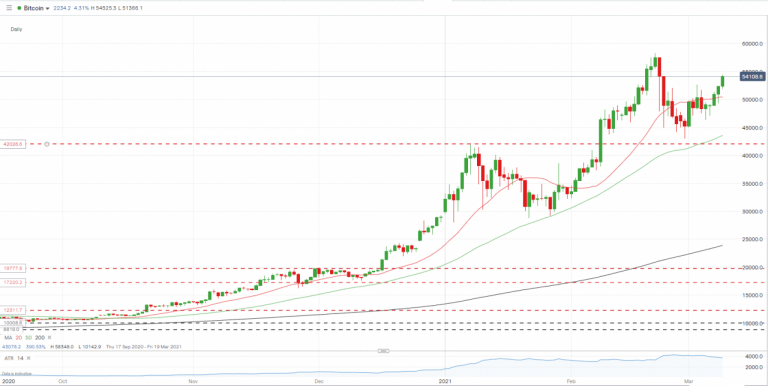
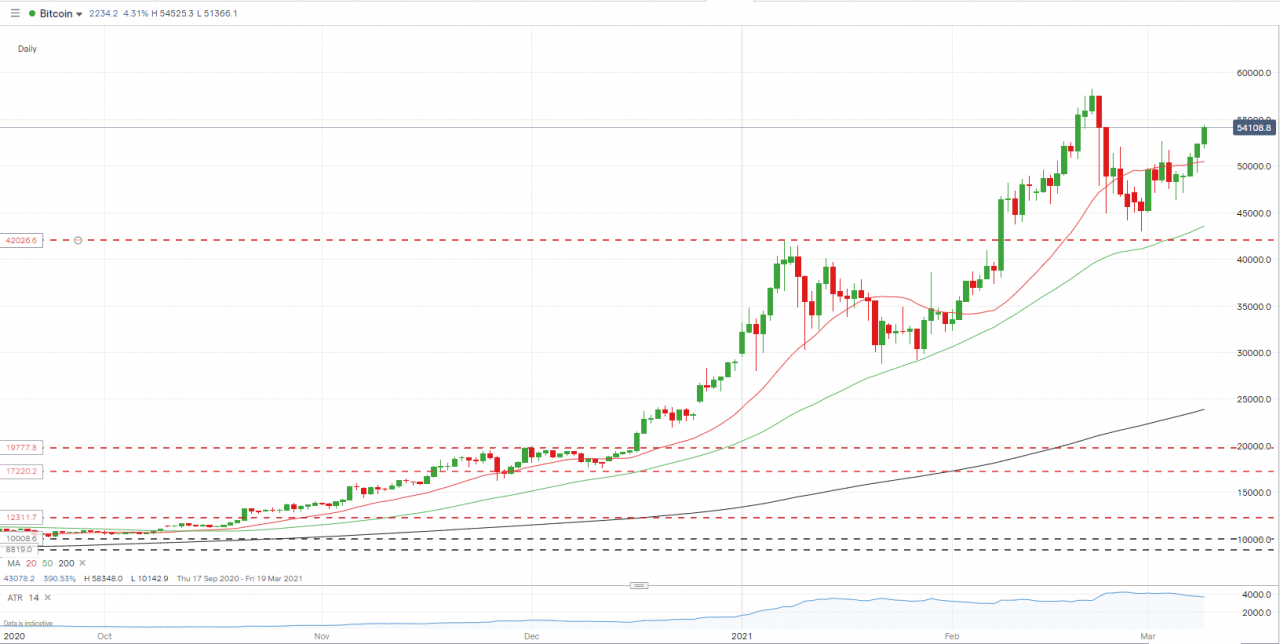
Buying Bitcoin with PayPal is becoming increasingly popular. This guide walks you through the process, highlighting the pros and cons of using PayPal, as well as alternative payment methods. Understanding the security measures and potential risks is crucial for a smooth transaction.

From setting up your Bitcoin wallet to choosing the right platform, this comprehensive guide will equip you with the knowledge needed to navigate the world of Bitcoin purchases securely.

Introduction to Bitcoin and Buying Methods

Bitcoin is a decentralized digital currency, operating independently of central banks or governments. Its value is determined by supply and demand in the market, influenced by factors such as adoption rates, regulatory changes, and technological advancements. Bitcoin transactions are recorded on a public ledger called a blockchain, ensuring transparency and security. This unique structure makes it a relatively volatile asset, meaning its price can fluctuate significantly over short periods.Bitcoin can be acquired through various methods, each with its own advantages and disadvantages.

These methods range from straightforward exchanges to more complex peer-to-peer transactions. Understanding these options empowers potential buyers to choose the method that best aligns with their individual needs and risk tolerance.

Different Bitcoin Buying Methods

Several methods facilitate acquiring Bitcoin. These include direct exchanges, brokerage platforms, and peer-to-peer (P2P) markets. Each approach offers a distinct user experience and varying degrees of security and convenience.

Direct Exchanges

Direct exchanges are online platforms specifically designed for buying and selling cryptocurrencies like Bitcoin. They typically provide a user-friendly interface for navigating transactions and a range of payment options. Many exchanges have established reputations and are backed by robust security measures. A notable example is Coinbase, known for its user-friendly interface and wide acceptance.

Brokerage Platforms

Brokerage platforms allow users to buy and sell Bitcoin alongside traditional financial instruments. These platforms often integrate with existing trading accounts, offering a convenient way to diversify investments. This approach often requires a higher level of financial sophistication. A typical advantage is the integration with existing brokerage accounts.

Peer-to-Peer (P2P) Markets

P2P markets connect buyers and sellers directly, enabling transactions outside traditional financial institutions. These markets offer potentially lower fees compared to exchanges or brokerages. However, they require a higher degree of caution and diligence in verifying the seller’s identity and transaction security. An important aspect is the direct interaction between buyer and seller, often necessitating additional due diligence to protect against scams.

Comparison of Bitcoin Buying Methods

Method Pros Cons
Direct Exchanges User-friendly interfaces, secure platforms, variety of payment options Potentially higher fees, regulatory scrutiny in some regions
Brokerage Platforms Integration with existing accounts, access to wider financial instruments Potential for higher fees compared to exchanges, less specialized in cryptocurrency
Peer-to-Peer (P2P) Markets Potentially lower fees, direct interaction with sellers Higher risk of scams, requires more diligence in verification, potential for disputes

General Bitcoin Acquisition Process

The general process for acquiring Bitcoin, regardless of the chosen method, typically involves these steps:

  • Account creation: Setting up a suitable account on the chosen platform involves providing necessary identification and complying with the platform’s regulations.
  • Funding the account: The account needs sufficient funds, usually through the supported payment methods offered by the platform.
  • Placing the order: Issuing a purchase order specifies the amount of Bitcoin to acquire and the price.
  • Verification and confirmation: This process varies by platform but typically involves security checks and confirmations.
  • Receiving Bitcoin: The acquired Bitcoin is deposited into the designated account, completing the transaction.

Buying Bitcoin with PayPal

Using PayPal to buy Bitcoin offers a convenient method for many users, leveraging the established trust and familiarity of the platform. However, it’s crucial to understand the nuances of this process, including the specific platforms, security considerations, and associated fees. This section delves into the practicalities of using PayPal for Bitcoin purchases.The process of buying Bitcoin using PayPal involves interacting with a specialized platform that acts as an intermediary.

These platforms typically facilitate the exchange of funds from your PayPal account to a Bitcoin wallet controlled by you. Understanding the steps and security measures involved ensures a smooth and secure transaction.

Specific Platforms and Services Supporting PayPal Bitcoin Purchases

Several platforms facilitate Bitcoin purchases using PayPal. These platforms often act as intermediaries, enabling the transfer of funds from your PayPal account to a Bitcoin wallet. The platforms handle the technical aspects of the transaction, ensuring the safe transfer of both currency types.

  • Crypto.com: A popular cryptocurrency exchange platform that allows users to buy and sell various cryptocurrencies, including Bitcoin, using PayPal. This service simplifies the process of converting fiat currency (like USD) to Bitcoin.
  • Coinbase: While not directly supporting PayPal for Bitcoin purchases, Coinbase does allow users to connect their PayPal accounts to their Coinbase accounts. This enables the transfer of funds from PayPal to Coinbase accounts for later use in purchasing cryptocurrencies like Bitcoin.
  • Kraken: Another popular exchange platform that supports various payment methods, including PayPal for fiat currency transactions. Users can transfer funds from their PayPal accounts to Kraken to buy other cryptocurrencies, including Bitcoin, once they have an account on the platform.

Security Measures When Using PayPal for Bitcoin Purchases

Ensuring the security of your PayPal account and Bitcoin purchases is paramount. Verify the legitimacy of any platform before proceeding with a transaction. Look for reputable platforms with robust security measures in place. Always double-check transaction details and avoid clicking on suspicious links.

  • Platform Verification: Thoroughly research and verify the platform’s reputation and security measures before initiating a transaction. Look for user reviews, security certifications, and transparency in their policies.
  • Strong Passwords and Two-Factor Authentication (2FA): Use strong, unique passwords for your PayPal and Bitcoin exchange accounts. Enabling 2FA adds an extra layer of security, requiring a second verification method beyond a password.
  • Transaction Monitoring: Keep a close eye on your transactions and monitor your accounts regularly for any unusual activity. Be wary of unsolicited requests or emails asking for sensitive information.

Step-by-Step Guide for Buying Bitcoin with PayPal

The steps involved in purchasing Bitcoin with PayPal vary depending on the specific platform you choose. However, a general process typically follows:

  1. Create an account on a platform that supports PayPal for Bitcoin purchases. Ensure the platform is reputable and secure.
  2. Link your PayPal account to your chosen platform’s account. Follow the platform’s instructions for connecting your PayPal account securely.
  3. Verify your identity as required by the platform. This step is crucial for account security and compliance with regulations.
  4. Select the amount of Bitcoin you wish to purchase. Enter the desired amount and confirm the transaction details.
  5. Authorize the transaction through your PayPal account. This involves reviewing the transaction details and confirming the transfer of funds.
  6. Receive your Bitcoin in the Bitcoin wallet associated with your platform account. Ensure the Bitcoin wallet is securely managed and protected.

Fees Involved in Bitcoin Purchases with PayPal

Transaction fees associated with buying Bitcoin using PayPal vary based on the platform and the specific transaction. These fees can include platform fees, network fees, and potential exchange rate fluctuations. Review the platform’s fee schedule carefully before completing any purchase.

Reputable Platforms for PayPal Bitcoin Purchases

Some reputable platforms that facilitate Bitcoin purchases using PayPal include, but are not limited to:

Platform Description
Crypto.com A leading cryptocurrency exchange platform that offers various services and payment methods, including PayPal.
Coinbase A well-established cryptocurrency exchange platform that allows users to link their PayPal accounts for other transactions.
Kraken A robust and widely recognized cryptocurrency exchange platform that facilitates various payment methods, including PayPal for fiat transactions.

Alternatives to PayPal for Buying Bitcoin

Beyond PayPal, a range of payment methods offer avenues for acquiring Bitcoin. Understanding these alternatives is crucial for informed decision-making when engaging in cryptocurrency transactions. Different options cater to varying needs and preferences, from convenience to security and transaction speed.Various factors influence the choice of payment method, including transaction fees, the user’s familiarity with the platform, and the desired level of anonymity.

This section explores these alternatives, providing insights into their functionalities, advantages, and disadvantages.

Alternative Payment Methods

A multitude of payment methods facilitate Bitcoin purchases beyond PayPal. These options provide users with choices aligned with their individual financial profiles and transaction preferences. Each method comes with its unique strengths and weaknesses.

  • Debit/Credit Cards: Debit and credit cards are widely used for online purchases, making them a popular choice for Bitcoin transactions. Services like Coinbase and others facilitate these transactions, offering convenience for users already accustomed to using these cards. However, transaction fees might vary depending on the card provider and the chosen platform.
  • Bank Transfers: Direct bank transfers are another common way to buy Bitcoin. This method often involves a slightly longer processing time compared to other methods, but it typically comes with lower transaction fees. Some platforms might require verification procedures to ensure security.
  • Wire Transfers: Wire transfers offer an alternative for substantial Bitcoin purchases. These transfers can take several business days to complete, and fees might vary. The higher transaction amounts often justify the potential delays.
  • Cryptocurrency Exchanges: Exchanges like Kraken and Binance allow users to swap one cryptocurrency for another, including Bitcoin. These platforms offer a wide range of cryptocurrencies, but navigating the platform’s interface can take time for beginners. Transaction speeds are usually swift, but user experience can vary significantly.
  • Prepaid Cards: Prepaid cards offer a level of anonymity for transactions. These cards typically don’t link directly to bank accounts, making them a popular choice for users seeking a more discrete approach. The selection of prepaid cards might be limited, depending on the region.

Comparison of Alternatives

The following table summarizes the key features of various Bitcoin purchasing methods, contrasting them with PayPal.

Payment Method Platforms/Services Pros Cons
Debit/Credit Cards Coinbase, various cryptocurrency exchanges Widely accepted, convenient, often quick transactions Potentially higher transaction fees, less anonymity
Bank Transfers Many cryptocurrency exchanges Lower transaction fees, security often enhanced by bank verification Slower processing time, might require verification
Wire Transfers Some cryptocurrency exchanges Suitable for larger Bitcoin purchases, potentially lower fees Significantly longer processing time, security depends on the platform
Cryptocurrency Exchanges Kraken, Binance, Coinbase Wide selection of cryptocurrencies, potentially lower fees, diverse services Steeper learning curve, potential security risks if not used carefully
Prepaid Cards Various cryptocurrency exchanges More anonymity, no direct bank account link Limited selection of prepaid cards, transaction limitations

Security and Risks Involved in Bitcoin Purchases

Buying Bitcoin, like any financial transaction, carries inherent security risks. Understanding these risks and taking proactive measures to mitigate them is crucial for a safe and successful experience. This section Artikels essential security precautions and potential vulnerabilities to help you navigate the Bitcoin market confidently.Protecting your Bitcoin holdings involves more than just choosing a reputable platform; it requires a multi-faceted approach to security.

From verifying platform legitimacy to safeguarding your personal information, each step plays a critical role in mitigating potential threats. Understanding the risks and employing the right security measures are essential for a positive Bitcoin experience.

Security Measures for Bitcoin Purchases

Understanding and implementing appropriate security measures is vital when buying Bitcoin. A layered approach, incorporating various strategies, strengthens your overall protection.

  • Thorough Platform Verification: Before committing to any Bitcoin buying platform, meticulously research its reputation and security measures. Check for user reviews, security certifications, and the platform’s history. Look for transparency in their security protocols. Verify if the platform employs industry-standard encryption methods.
  • Strong Passwords and Two-Factor Authentication (2FA): Employing strong, unique passwords for your accounts is paramount. Activating 2FA adds an extra layer of security, requiring a second verification method beyond your password. This significantly reduces the risk of unauthorized access.
  • Secure Storage: After purchasing Bitcoin, secure storage is crucial. Avoid storing your Bitcoin on publicly accessible devices or websites. Use reputable and secure wallets, both hardware and software, to safeguard your funds.
  • Regular Account Monitoring: Actively monitor your accounts for any suspicious activity. Be vigilant about unusual transactions or login attempts. Promptly report any irregularities to the platform.

Risks Associated with Bitcoin Purchases

Bitcoin purchases, despite the advantages, present specific risks. Understanding these risks is crucial for minimizing potential losses.

  • Scams and Fraudulent Platforms: Phishing scams, fake Bitcoin exchanges, and fraudulent investment schemes are prevalent in the cryptocurrency market. Be cautious of unsolicited offers and promises of high returns. Verify the legitimacy of any platform before engaging in any transaction.
  • Platform Failures and Hacks: Cryptocurrency platforms are susceptible to hacking and technical failures. These incidents can result in the loss of funds. Research the platform’s security measures to assess its resilience against such risks.
  • Third-Party Risk: If using intermediaries for your Bitcoin purchase, understand the potential risks associated with the intermediaries. Thorough research and understanding of their reputation and security practices are crucial.

Importance of Verifying Buying Platforms

Verifying the legitimacy of buying platforms is paramount. A poorly vetted platform can lead to financial losses and significant security breaches.

  • Scrutinize Reviews and Ratings: Carefully review user reviews and ratings of the platform. Negative feedback regarding security issues or fraudulent activities should serve as a warning signal.
  • Examine Platform’s Security Protocols: Research the platform’s security protocols, encryption methods, and audit reports. A robust security infrastructure suggests a trustworthy environment.
  • Check for Regulatory Compliance: Ensure the platform adheres to relevant regulations and licensing requirements. This helps establish credibility and transparency.

Protecting Your Bitcoin Holdings After Purchase

Securing your Bitcoin holdings post-purchase is just as important as the initial purchase.

  • Use Strong Wallets: Choose reputable and secure Bitcoin wallets, either software-based or hardware-based, to safeguard your digital assets. Understand the specific security features of each wallet.
  • Avoid Public Displays of Wealth: Refrain from broadcasting your Bitcoin holdings publicly. Limit the visibility of your transactions and avoid revealing sensitive information.
  • Backup Your Wallets: Regularly back up your wallets to prevent data loss in case of device failure or software corruption.

Common Security Vulnerabilities

Awareness of common security vulnerabilities is crucial for informed decision-making.

  • Phishing Attacks: Phishing emails or websites designed to trick users into revealing their login credentials are common threats. Be wary of unsolicited requests for personal information or login details.
  • Malware and Viruses: Malicious software can compromise your computer and gain access to your Bitcoin wallets. Employ robust antivirus and anti-malware software.
  • Social Engineering: Social engineering tactics exploit human psychology to manipulate users into divulging sensitive information. Be cautious of individuals or platforms attempting to gain access to your accounts through persuasion.

Regulations and Legal Considerations

Navigating the world of cryptocurrency involves understanding the evolving legal and regulatory landscape. The lack of consistent global regulations presents a unique challenge for investors, traders, and businesses alike. Different countries have adopted varying approaches to regulating cryptocurrencies, leading to complexities in understanding the legal implications of Bitcoin purchases and holdings.The legal frameworks surrounding Bitcoin are constantly evolving, making it crucial for potential buyers to stay informed about the applicable regulations in their jurisdiction.

These regulations can significantly impact the buying, selling, and holding of Bitcoin, impacting everything from tax liabilities to potential legal penalties.

Legal Implications of Bitcoin Purchases

The legal implications of buying and holding Bitcoin can differ considerably depending on the specific jurisdiction. Some countries have established regulatory frameworks that specifically address cryptocurrency, while others are still developing or exploring the best approaches. This leads to a varied legal environment across the globe, necessitating thorough research into the local regulations before engaging in any Bitcoin transactions.

Jurisdictional Variations in Cryptocurrency Laws

Cryptocurrency regulations differ significantly across the globe. Some countries have embraced cryptocurrencies, introducing regulatory frameworks that seek to balance innovation with investor protection. Others maintain a cautious approach, potentially creating uncertainty and limitations on trading and investment.

  • United States: The regulatory landscape for cryptocurrencies in the US is complex and fragmented, with different agencies (SEC, CFTC, IRS) having varying responsibilities and approaches. This often leads to uncertainty for investors regarding the appropriate legal compliance measures.
  • European Union: The EU has begun to develop a more unified approach to regulating cryptocurrencies, though the specific regulations vary between member states.

    This has led to a more structured environment for cryptocurrency businesses but still poses challenges for individual investors.

  • China: China has taken a more restrictive stance on cryptocurrencies, largely banning their use and trade. This approach has had a significant impact on the global cryptocurrency market.

Overview of Legal Frameworks Governing Bitcoin Trading

The legal frameworks governing Bitcoin trading often involve a combination of existing laws and regulations applicable to financial markets and new legislation specifically designed for cryptocurrencies. Understanding the interplay between these various legal frameworks is essential to ensure compliance.

Tax Implications of Bitcoin Purchases

Tax implications are an integral part of any investment, and Bitcoin is no exception. The tax treatment of Bitcoin can vary significantly depending on local tax laws.

  • Capital Gains Tax: Profits from selling Bitcoin are often subject to capital gains tax, similar to other investments. The specific tax rate can depend on the holding period of the Bitcoin and applicable tax laws in your jurisdiction.
  • Income Tax: In certain cases, income from Bitcoin transactions may be subject to income tax, especially if it’s considered business income or trading activity.

  • Reporting Requirements: Depending on the country, specific reporting requirements for Bitcoin transactions may exist. These may involve reporting the acquisition and disposal of Bitcoin or the income generated from these transactions to the relevant tax authorities.
  • Consult a Tax Professional: It is highly recommended to consult a qualified tax professional to understand the specific tax implications of Bitcoin purchases in your jurisdiction.

    Tax laws can be complex and vary greatly.

General Information about Buying Bitcoin

Bitcoin, a decentralized digital currency, has gained significant traction since its inception in 2009. Its revolutionary approach to finance has sparked both excitement and apprehension. Understanding its history, market dynamics, and inherent volatility is crucial for anyone considering investing in or trading Bitcoin.The Bitcoin market is characterized by substantial price fluctuations, presenting both opportunities and risks. Understanding the factors influencing these price changes, along with the role of exchanges in facilitating transactions, is essential for informed decision-making.

This section will explore these aspects in detail, providing a comprehensive overview of Bitcoin’s unique characteristics.

History of Bitcoin

Bitcoin’s genesis can be traced to the 2008 financial crisis, which highlighted the need for a decentralized alternative to traditional banking systems. Satoshi Nakamoto, the pseudonymous creator, envisioned a peer-to-peer digital currency that could operate independently of central authorities. The whitepaper detailing this concept, published in 2008, laid the foundation for the cryptocurrency revolution. The first Bitcoin transaction occurred in 2009, marking the beginning of this new financial landscape.

Overview of the Bitcoin Market

The Bitcoin market encompasses various participants, including traders, investors, and miners. Its decentralized nature eliminates intermediaries, allowing for direct transactions between individuals. The market is global, facilitating transactions across borders with relative ease, although regional regulations and restrictions can vary significantly. This characteristic fosters a dynamic environment, where demand and supply interact to determine price fluctuations.

Volatility of Bitcoin Prices

Bitcoin prices are notoriously volatile. This means that the value of Bitcoin can fluctuate significantly in short periods. Several factors influence these price swings, including market sentiment, news events, and regulatory changes. Past examples include periods of rapid appreciation followed by significant corrections, illustrating the inherent risks associated with investing in Bitcoin. For example, in 2021, Bitcoin experienced a substantial price increase, driven by heightened investor interest.

Conversely, periods of market uncertainty or regulatory scrutiny can lead to substantial price declines.

Role of Exchanges in Bitcoin Trading

Bitcoin exchanges act as intermediaries in the Bitcoin trading process. They provide a platform for buyers and sellers to interact and facilitate transactions. These exchanges often offer various trading tools, including charts and order books, aiding users in making informed decisions. Exchanges also handle security aspects, such as storing user funds and managing transactions. They play a critical role in ensuring liquidity and facilitating the smooth operation of the Bitcoin market.

Researching Bitcoin Prices

Staying informed about Bitcoin’s price is crucial for potential investors. A multitude of online resources and tools allow for easy tracking and analysis. Reliable sources include dedicated cryptocurrency news websites and financial data providers. These resources offer real-time price updates, historical data, and analytical tools to assist in understanding price trends and market sentiment.

Bitcoin Wallets

Bitcoin wallets serve as digital repositories for storing Bitcoin. They act as virtual wallets that hold private keys, which are essential for accessing and controlling Bitcoin holdings. These wallets can be either software-based, hardware-based, or web-based, each with its own set of features and security considerations. Understanding the different types of wallets is crucial for safeguarding your Bitcoin holdings.

Types of Bitcoin Wallets

Different Bitcoin wallets cater to various needs and security preferences. Software wallets, such as Electrum or Exodus, are readily accessible and user-friendly. Hardware wallets, like Ledger or Trezor, provide enhanced security by storing private keys offline. Web wallets offer a convenient online interface but typically have a lower level of security compared to other options. Choosing the right wallet type is essential to protect your Bitcoin.

Illustrative Case Studies and Examples

Understanding the practical application of Bitcoin purchases is crucial. These case studies offer real-world scenarios to illustrate successful, unsuccessful, and even fraudulent transactions. By examining these examples, you can better assess the risks and rewards associated with buying Bitcoin.Real-world examples highlight the complexities and nuances of cryptocurrency trading. From legitimate purchases to scams, these cases demonstrate the importance of vigilance and understanding when engaging with Bitcoin transactions.

Successful PayPal Bitcoin Purchase

A user, Alex, successfully purchased 1 Bitcoin using PayPal on the Coinbase platform. Alex followed the platform’s secure guidelines for PayPal transactions. They verified their account and completed the purchase process, receiving their Bitcoin within the stipulated timeframe. This illustrates a smooth and secure transaction using PayPal as a payment method on a reputable platform.

Bitcoin Purchase Using a Different Payment Method

Maria purchased 0.5 Bitcoin using a bank transfer on the Kraken exchange. She initiated the transfer from her bank account to Kraken’s designated account. Kraken verified the transaction and credited her account with the Bitcoin. This demonstrates a typical purchase using a bank transfer, a widely accepted alternative to PayPal. Kraken is a well-established cryptocurrency exchange.

Bitcoin Purchase Resulting in a Loss

David purchased Bitcoin at a high price point during a market peak. Unfortunately, the market experienced a downturn, and the price of Bitcoin plummeted. David’s investment lost significant value. This exemplifies the inherent risk associated with investing in volatile assets like Bitcoin. Price fluctuations are a fundamental aspect of cryptocurrency markets.

Fraudulent Bitcoin Purchase Attempt

A user, Emily, received an email claiming to offer a high-yield Bitcoin investment opportunity. The email included a link to a fake exchange platform that requested her login credentials. Emily realized it was a scam after researching the purported exchange’s legitimacy. This case study illustrates the importance of verifying the authenticity of websites and investment opportunities. Never click on links from untrusted sources when dealing with cryptocurrencies.

Reputable Bitcoin Exchange Platform

Coinbase is a widely recognized and regulated cryptocurrency exchange. It offers a user-friendly interface, security features, and a wide range of services for buying, selling, and storing Bitcoin. Coinbase provides support and education for its users, making it a reliable option for managing cryptocurrency assets. Coinbase’s robust security measures and compliance with regulations make it a secure platform.

Bitcoin Purchase Using Coinbase

Sarah initiated a Bitcoin purchase using her credit card on the Coinbase platform. She followed the platform’s instructions, and the purchase was processed successfully. Coinbase confirmed the transaction, and the Bitcoin was deposited into her Coinbase wallet. This scenario highlights a common and secure transaction flow on a popular platform. Coinbase’s transaction history shows a large number of completed transactions with minimal issues.

Epilogue

In conclusion, buying Bitcoin with PayPal, or other methods, requires careful consideration of various factors. Understanding the platform’s fees, security protocols, and potential risks is vital. Remember to prioritize security and research reputable platforms before engaging in any transaction. This guide has provided a comprehensive overview, equipping you with the necessary knowledge for informed decisions.

FAQ Explained

What are the typical fees involved when buying Bitcoin with PayPal?

Fees vary depending on the platform. Some platforms charge transaction fees, while others might charge a percentage of the Bitcoin purchase amount. Always review the platform’s fee structure before proceeding.

Are there any security measures I should take to protect my Bitcoin holdings after the purchase?

Absolutely. Securely store your Bitcoin in a reputable wallet. Regularly monitor your wallet for any suspicious activity. Keep your private keys safe and never share them with anyone.

What are some common scams or fraudulent activities related to Bitcoin purchases?

Look out for fake platforms promising high returns or overly good deals. Verify the platform’s legitimacy before providing any financial information. Be cautious of unsolicited messages or emails related to Bitcoin purchases.

What are the different types of Bitcoin wallets available, and how do I choose one?

Different types of Bitcoin wallets include software wallets, hardware wallets, and paper wallets. Choose a wallet that aligns with your security needs and technical expertise. Hardware wallets generally offer enhanced security, while software wallets are often user-friendly.

Navigating the world of cryptocurrency can be tricky, especially when considering location-specific limitations. This exploration delves into the nuances of buying Bitcoin with a credit card, focusing on the accessibility and challenges in river towns and cities. We’ll examine various platforms, security concerns, and regional availability to provide a comprehensive overview.

From understanding the different purchasing methods to evaluating security protocols and regional variations, this guide aims to equip you with the knowledge needed to make informed decisions about Bitcoin purchases, especially in locations near a river.

Bitcoin Purchasing Methods

Bitcoin, a decentralized digital currency, can be acquired through various methods. Understanding these methods, particularly credit card transactions, is crucial for navigating the process safely and efficiently. This section details the available options, focusing on the pros and cons of each, and provides insights into choosing reputable platforms.

Bitcoin Purchasing Platforms

Numerous platforms facilitate Bitcoin purchases, each with its own set of features and considerations. Choosing the right platform depends on individual needs and preferences, considering factors such as transaction fees, speed, and security measures.

Credit Card Transactions for Bitcoin Purchases

Using credit cards to buy Bitcoin is a convenient option for many users. However, it’s essential to understand the nuances of this method, including potential fees and security implications. Several reputable platforms allow credit card transactions, but the specific terms and conditions vary.

Comparing Bitcoin Purchase Platforms

Different platforms offer varying levels of service and features. A comprehensive comparison is crucial for informed decision-making. The table below highlights key aspects of popular platforms.

Platform Fees Transaction Speed Security
Coinbase Variable, typically a percentage of the purchase amount, or a fixed amount. Fees depend on the credit card used. Generally quick, often completing within minutes. Strong security measures, including two-factor authentication and robust encryption protocols. Customer support is usually excellent.
Kraken Variable, often a percentage of the purchase amount, or a fixed amount. Fees depend on the credit card used. Generally quick, often completing within minutes. Known for robust security measures and a large trading volume. User reviews are generally positive.
Gemini Variable, often a percentage of the purchase amount, or a fixed amount. Fees depend on the credit card used. Generally quick, often completing within minutes. Excellent security record, using advanced encryption technologies. User experience is highly rated.

Identifying Reputable Platforms

Choosing a reputable platform is critical for a secure Bitcoin purchase. Look for platforms with strong security features, clear fee structures, and positive user reviews. Research the platform’s security measures, including encryption protocols, two-factor authentication options, and customer support channels.

Steps to Buy Bitcoin with a Credit Card (Coinbase Example)

This Artikels the general steps for buying Bitcoin with a credit card on Coinbase. Specific steps may vary slightly.

  1. Create a Coinbase account, providing necessary details and verifying your identity.
  2. Link your credit card to your Coinbase account, following the platform’s guidelines.
  3. Navigate to the Bitcoin purchase section.
  4. Specify the amount of Bitcoin you wish to buy.
  5. Review the transaction details, including fees and the total cost.
  6. Confirm the purchase.

Factors to Consider

When choosing a platform, factors like transaction speed, fees, security, and customer support should be evaluated. Consider the platform’s reputation, user reviews, and the specific terms for credit card transactions.

Geographical Variations in Bitcoin Purchases

Accessing Bitcoin via credit cards presents a diverse landscape across different regions. The availability and ease of these purchases are heavily influenced by local regulations, user experience, and the presence of specific platforms. Understanding these regional variations is crucial for anyone considering purchasing Bitcoin globally.The legal frameworks surrounding cryptocurrency transactions differ significantly across nations. Some jurisdictions have embraced cryptocurrencies more readily than others, leading to variations in the accessibility of Bitcoin purchases using credit cards.

This contrasts with the relatively straightforward process in other regions, highlighting the need for careful consideration of local regulations when engaging in Bitcoin transactions.

Availability of Credit Card Bitcoin Purchases

The accessibility of Bitcoin purchases using credit cards varies significantly depending on the region. Certain countries have robust infrastructure supporting these transactions, while others might face limitations due to stringent regulations or a lack of available platforms. This disparity underscores the importance of researching local regulations before initiating any Bitcoin purchase.

Regulations Concerning Bitcoin Transactions

Legal frameworks governing Bitcoin transactions exhibit significant regional variation. Some countries have embraced cryptocurrencies and established clear regulatory guidelines, while others maintain a more cautious approach, imposing restrictions or offering limited oversight. This can influence the options available to users for buying Bitcoin, and also impact the types of platforms that operate within a specific region.

Variations in User Experience and Platform Options

The user experience and available platform options for purchasing Bitcoin differ significantly across regions. In some areas, users might find a wider array of platforms offering diverse payment methods, including credit cards. Conversely, in other regions, the selection of platforms might be more limited, potentially leading to a less convenient purchasing process. This variance can stem from the differing approaches to cryptocurrency adoption and regulation.

Table of Bitcoin Purchase Availability

Region Availability Regulations Platform Examples
North America Generally available, with various platforms offering credit card purchases Regulations vary by state/province, but generally less restrictive than some other regions. Some jurisdictions have specific guidelines for cryptocurrency exchanges. Coinbase, Gemini, Kraken
Europe Availability varies by country; some countries have more readily available options than others. Certain EU countries have introduced specific regulations. Different countries have different approaches to cryptocurrency regulations. Some countries have introduced specific legislation for cryptocurrency exchanges, while others have adopted a more neutral approach. Binance, eToro, various local exchanges
Asia Varying levels of availability; some countries have a large number of cryptocurrency exchanges, while others might have more limited options. Regulations in Asia range from permissive to highly restrictive. Some countries have introduced specific legislation for cryptocurrency exchanges, while others are still developing regulations. Local exchanges in specific countries, often with limitations depending on regulations
South America Availability is dependent on the specific country; some countries have growing cryptocurrency markets. Regulations in South America are diverse, with some countries actively promoting crypto and others having restrictions. Specific exchanges operating in individual countries, with regulations influencing their presence

Security Considerations for Bitcoin Purchases

Buying Bitcoin with a credit card, while convenient, introduces security risks that need careful consideration. Understanding these risks and implementing robust security measures is crucial to protecting your financial information and Bitcoin holdings. A well-informed approach is vital to navigating the complexities of online transactions and ensuring a safe purchasing experience.Security is paramount when dealing with cryptocurrency exchanges and transactions.

A strong security posture minimizes the chances of unauthorized access to your funds and personal information. This involves a multifaceted approach, encompassing the use of strong passwords, regular security updates, and a deep understanding of potential vulnerabilities.

Importance of Secure Transactions

Secure transactions are essential to protect against fraud and theft. Implementing robust security measures ensures that your sensitive financial information and cryptocurrency holdings remain safe from unauthorized access. By understanding the potential risks and vulnerabilities associated with online Bitcoin purchases, you can take proactive steps to protect yourself. Failure to prioritize security can lead to significant financial losses.

Common Security Risks

Common security risks associated with online Bitcoin purchases include phishing scams, malware infections, and compromised websites. Phishing attempts often involve deceptive emails or websites designed to trick users into revealing their login credentials or personal information. Malware infections can compromise your computer systems, allowing attackers to steal your sensitive data or gain unauthorized access to your Bitcoin accounts.

Compromised websites, often unknowingly hosting malicious scripts or code, can expose your personal and financial information during transactions. Understanding these potential risks is the first step toward safeguarding your assets.

Recommended Security Practices

Implementing strong security practices is crucial for protecting your Bitcoin purchases. This includes using strong and unique passwords for all your online accounts, enabling two-factor authentication wherever possible, and regularly updating your software and operating systems. Be cautious about clicking on suspicious links or downloading files from unknown sources. Always verify the legitimacy of websites before entering any personal or financial information.

Reviewing the privacy policies of Bitcoin exchange platforms is also vital.

Tips to Avoid Fraudulent Activities

To avoid fraudulent activities, exercise caution when dealing with unfamiliar websites or individuals. Never share your personal or financial information with anyone who contacts you unsolicited. Always verify the legitimacy of websites before entering any sensitive data. Be wary of websites offering unusually high returns on Bitcoin investments. Keep your antivirus software up-to-date and scan your system regularly for malware.

Review and understand the terms and conditions of any Bitcoin exchange or platform before making a transaction.

Table of Potential Threats and Preventive Measures

Threat Description Preventive Measure
Phishing Deceptive emails or websites designed to trick users into revealing login credentials or personal information. Verify the legitimacy of websites before entering any personal or financial information. Be cautious of unsolicited emails or messages requesting sensitive data.
Malware Software designed to damage or disable computer systems, steal data, or gain unauthorized access. Keep your antivirus software up-to-date and scan your system regularly. Avoid downloading files or clicking on links from unknown sources.
Compromised Websites Websites unknowingly hosting malicious scripts or code that can expose your personal and financial information during transactions. Verify the security of websites before entering sensitive information. Look for secure connections (HTTPS).
Social Engineering Manipulating individuals into divulging sensitive information or performing actions against their best interests. Be cautious about sharing personal information with strangers or unsolicited contacts. Verify the legitimacy of requests before complying.

Buying Bitcoin in River Locations

River towns and cities, often characterized by their proximity to waterways, present a unique context for Bitcoin purchases. While major metropolitan areas typically offer a wider array of Bitcoin purchasing options, the accessibility and availability of these services in smaller, river-adjacent communities may vary significantly. This exploration delves into the specific challenges and opportunities for Bitcoin transactions in these locations.The accessibility of Bitcoin purchasing options in river towns and cities is often dependent on several factors.

These include the overall economic activity of the region, the presence of established financial institutions, and the local adoption of digital currencies. Challenges may stem from a limited number of vendors offering Bitcoin services or a lack of awareness about digital currency options within the community.

Accessibility and Challenges

River locations, particularly smaller towns, may face limited access to traditional Bitcoin purchasing methods. This often results in fewer brick-and-mortar options for buying Bitcoin compared to major urban areas. Furthermore, the reliance on online platforms for purchasing can be problematic if internet connectivity is unreliable or if digital literacy is low.

Options for Purchasing Bitcoin

Available options for buying Bitcoin near a river often mirror those in other areas, though with potential limitations. These can include online exchanges, cryptocurrency ATMs, and potentially partnerships with local businesses that accept Bitcoin. The availability of these options is highly location-dependent.

Potential Physical Locations

Identifying specific physical locations where Bitcoin can be bought near a river requires a detailed analysis of local businesses and community engagement. Examples could include a small, locally-owned shop in a riverfront town that accepts Bitcoin payments or a cryptocurrency ATM located near a riverbank. The precise locations will vary significantly depending on the river location’s unique circumstances.

Limited Options: Potential Reasons

Several factors might contribute to limited options for Bitcoin purchases in river locations. The relative isolation of the area, a lower level of digital currency adoption, or a lack of local interest in the technology are possible contributing reasons. Furthermore, the costs and complexities associated with establishing Bitcoin purchasing infrastructure in a smaller community may dissuade providers.

Finding Alternative Methods

If direct Bitcoin purchasing options are unavailable, individuals can explore alternative methods. These include utilizing online exchanges with international shipping options, or connecting with a trusted friend or family member who has a preferred method of purchase. The specific alternative method will depend on the individual’s comfort level with technology and access to other resources.

Buying Bitcoin – General Information

Purchasing Bitcoin involves several key steps and considerations. Understanding the process, different platforms, and security measures is crucial for a safe and successful transaction. This section provides a comprehensive overview of Bitcoin buying, encompassing various exchanges, wallet setup, and essential factors to consider.Acquiring Bitcoin typically involves using a cryptocurrency exchange. These platforms connect buyers and sellers, facilitating the exchange of Bitcoin for fiat currency (like USD or EUR).

The process usually involves registering an account, verifying your identity, funding your account, and then placing an order to buy Bitcoin. The actual mechanics of the purchase vary by exchange, but the core concept remains the same.

Bitcoin Exchange Platforms

Several platforms facilitate Bitcoin purchases. Choosing the right one depends on factors like fees, security, and user experience. Popular exchanges include Coinbase, Kraken, Binance, and Gemini.

  • Coinbase: A user-friendly platform known for its ease of use, particularly for beginners. It offers a wide range of features, including a mobile app for convenient access. However, it may have higher fees compared to some other exchanges.
  • Kraken: Known for its advanced trading features and competitive fees. It is often a preferred choice for experienced traders seeking greater flexibility and control over their trades. The interface might be slightly more complex for beginners.
  • Binance: A global exchange with a large trading volume and a vast selection of cryptocurrencies. It often has lower fees than other platforms, but the user interface can be more challenging for newcomers.
  • Gemini: A regulated exchange with strong security measures. It focuses on providing a user-friendly and secure platform for users, particularly emphasizing security and compliance.

Comparing Bitcoin Exchanges

Different exchanges cater to diverse user needs. This table provides a comparative overview of common platforms.

Exchange Ease of Use Fees Security Features
Coinbase High Moderate High Beginner-friendly, mobile app
Kraken Medium Low High Advanced trading tools
Binance Low Low High Large trading volume, diverse cryptocurrencies
Gemini Medium Moderate Very High Focus on security and compliance

Setting Up a Bitcoin Wallet

A Bitcoin wallet is a digital storage space for your Bitcoin holdings. It’s essential for securely storing and managing your cryptocurrencies.

  • Types of Wallets: Different wallet types exist, including software wallets (installed on your computer or mobile device), hardware wallets (physical devices designed for secure storage), and web wallets (accessible through a web browser). Each type has its own security strengths and weaknesses.
  • Software Wallets: Software wallets are commonly used, offering flexibility and control. However, security relies on proper password management and protection against malware.
  • Hardware Wallets: Hardware wallets provide a high level of security by isolating your private keys from your computer or mobile device. This makes them more secure against online attacks, but they require a separate physical device.
  • Web Wallets: Web wallets are convenient, but storing your private keys on a third-party server carries some security risk. Consider the security measures implemented by the platform hosting your wallet.

Factors to Consider When Choosing a Bitcoin Exchange

Selecting the right exchange requires careful consideration of various factors. Here’s a list of crucial elements:

  • Fees: Transaction fees can vary significantly between exchanges. Consider both trading fees and withdrawal fees when comparing platforms.
  • Security: Exchange security is paramount. Look for platforms with robust security measures and strong regulatory compliance.
  • User Experience: A user-friendly interface and support options can significantly enhance the trading experience. Consider ease of use, platform navigation, and support channels.
  • Available Cryptocurrencies: Some exchanges may support a wider variety of cryptocurrencies. If you intend to diversify your holdings, ensure the exchange offers the cryptocurrencies you are interested in.
  • Customer Support: Responsive customer support is crucial for resolving issues or questions. Consider the availability and efficiency of support channels.

Ultimate Conclusion

In conclusion, buying Bitcoin with a credit card, particularly in river locations, presents a blend of opportunities and obstacles. Understanding the available platforms, regional regulations, and security precautions is crucial for a successful transaction. This exploration has hopefully provided a clear picture of the process, allowing you to confidently navigate the world of Bitcoin purchases.

Questions and Answers

Can I buy Bitcoin with a debit card near a river?

While credit cards are a common method, some platforms may also accept debit cards. Check the specific terms and conditions of the platform you choose.

What are the typical fees associated with Bitcoin purchases using a credit card?

Fees vary depending on the platform. Some charge a percentage of the transaction, while others add a fixed amount. Refer to the platform’s fee schedule for precise details.

Are there any specific security risks associated with Bitcoin purchases in rural areas?

Security risks are generally similar regardless of location. However, limited access to support services or less reliable internet connectivity might pose additional challenges. Always prioritize reputable platforms and strong passwords.

What are the legal regulations regarding Bitcoin transactions in specific river cities?

Regulations vary significantly by region and country. Thorough research into the specific legal frameworks of the area is essential.