May 14, 2026

Business Law

Navigating the legal landscape of business formation can be daunting. This guide dives deep into the crucial aspects of choosing a business name that aligns with legal requirements and leverages QuickBooks for optimal compliance. Understanding the intricacies of trademarks, business structures, and legal advisor roles is key to establishing a successful and compliant business.

From selecting the perfect name to ensuring legal compliance, this resource provides a clear roadmap for entrepreneurs. We’ll explore how QuickBooks simplifies record-keeping and compliance, highlighting its functionalities across various business structures. This detailed overview will help you avoid common pitfalls and set your business up for long-term success.

Choosing a Business Name

A strong business name is crucial for establishing a brand identity and attracting clients. It should be memorable, relevant, and reflect the services offered. A well-chosen name can significantly impact a business’s success.Selecting a business name involves careful consideration of several factors. A name that resonates with the target audience and accurately conveys the business’s offerings is essential.

This document Artikels steps to ensure the chosen name effectively represents the business’s purpose.

Steps for Selecting a Business Name

Careful consideration is key to choosing a business name that perfectly aligns with your services. Following these steps will lead to a name that is memorable, relevant, and impactful.

  • Define your target audience: Understanding your ideal client helps craft a name that resonates with them. Consider their demographics, needs, and preferences.
  • Reflect your services: The name should clearly communicate the services offered. A QuickBooks-focused business name should directly or indirectly hint at QuickBooks expertise.
  • Check for availability: Ensuring the name isn’t already in use is vital. This prevents legal issues and brand confusion.
  • Brainstorm potential names: Generate a list of ideas. This process can involve brainstorming sessions with colleagues, or even simply jotting down words and phrases related to QuickBooks and your services.
  • Consider the name’s memorability and pronounceability: A name that’s easy to remember and pronounce is more likely to be recalled by potential clients.
  • Test the name with potential clients: Gather feedback on the name’s appeal and clarity.

Importance of a Name Reflecting the Business

A name that accurately represents the business’s services fosters trust and credibility. Clients are more likely to engage with a business whose name clearly communicates its offerings.

A name that accurately reflects the business’s services builds trust and credibility.

Researching Name Availability

Thorough research is crucial to avoid conflicts with existing businesses. This step safeguards against legal issues and maintains a unique brand identity.

  • Check for trademarks: Use online databases or consult with legal professionals to ensure the chosen name isn’t already trademarked.
  • Perform a domain name search: Confirm the availability of the corresponding domain name. A matching website address enhances online presence.
  • Conduct a general online search: Search for similar business names to identify potential competitors or existing brands.

QuickBooks-Related Business Name Ideas

The table below offers examples of business names focused on QuickBooks services.

Name Idea Description Target Audience s
QuickBooks Solutions Plus Emphasizes comprehensive QuickBooks support Small business owners needing QuickBooks expertise QuickBooks, Solutions, Support
QuickBooks Pro Advisors Highlights expertise and advisory services Business owners seeking strategic QuickBooks guidance QuickBooks, Pro, Advisors
Streamlined QuickBooks Focuses on efficiency and streamlined processes Businesses seeking optimized QuickBooks workflows QuickBooks, Streamlined, Efficiency
QuickBooks QuickStart Targets new QuickBooks users needing onboarding support New QuickBooks users seeking initial setup help QuickBooks, QuickStart, Onboarding

Examples of Successful Business Names

Successful business names for similar services often incorporate relevant s and are memorable.

  • Xero Experts: Emphasizes expertise in a specific accounting software.
  • Sage Solutions: Highlights the provision of comprehensive solutions.
  • QuickBooks Support Central: Focuses on support services.

Legal Considerations for Business Names

Choosing a business name is crucial, but it’s equally important to understand the legal implications. A carefully considered approach to name registration and trademark checks can prevent future legal headaches and ensure your business operates smoothly. This section explores the legal requirements for registering a business name, examining name availability and trademark infringement.

Legal Requirements for Registering a Business Name

Different jurisdictions have varying regulations for registering business names. These regulations often involve submitting applications with specific documentation and fees. Compliance with these requirements is essential to establish legal recognition and avoid potential legal challenges.

Name Availability in Different Jurisdictions

Checking name availability is vital before finalizing a business name. This step ensures the name isn’t already in use by another entity in the same jurisdiction. This is especially crucial for avoiding confusion with existing businesses and securing the desired brand identity.

Country Registration Authority Required Documents Procedure
United States State Secretary of State offices Business registration application, Articles of Organization/Incorporation, required fees Variable by state; often involves online application, filing, and payment.
Canada Provincial/Territorial governments Business registration application, required documents specific to business type (e.g., articles of incorporation), fees Procedures and requirements vary from province to province; online portals are often available.
United Kingdom Companies House Business registration form, relevant documentation, fees Generally involves online application, submission of required documents, and payment.
Australia Australian Securities and Investments Commission (ASIC) Business name registration application, specific documents depending on business type Online application, document submission, and payment through ASIC portal.

Importance of Checking State/Province Name Availability

Ensuring a business name isn’t already in use in a specific state or province is crucial. A duplicate name could lead to confusion, legal issues, and difficulty establishing your business identity. Thorough name checks are vital for a smooth business launch and brand protection.

Avoiding Trademark Infringement

A critical aspect of naming a business is ensuring the chosen name doesn’t infringe on existing trademarks. This prevents legal disputes and protects your business’s reputation. Using a name that resembles an existing trademark could lead to costly litigation.

Resources for Checking Trademark Availability

Multiple resources are available to check for potential trademark conflicts. These resources offer valuable tools for preventing legal issues related to similar or identical trademarks.

  • United States Patent and Trademark Office (USPTO): The USPTO’s website provides tools and databases to search for existing trademarks. Detailed information on trademark searches and related services is available on the USPTO website.
  • Canadian Intellectual Property Office (CIPO): The CIPO offers online databases for trademark searches and registration information, ensuring compliance with Canadian trademark laws.
  • Intellectual Property Offices of Other Countries: Each country has its own intellectual property office. These offices provide access to databases and resources for searching for existing trademarks in that specific country.

QuickBooks and Legal Compliance

QuickBooks, a popular accounting software, offers valuable tools for businesses to maintain legal compliance. Beyond basic bookkeeping, QuickBooks features assist in managing records, reporting, and adhering to various legal requirements. This aids in reducing the risk of penalties and ensures smooth financial operations.QuickBooks empowers businesses to organize financial data efficiently, creating a strong foundation for meeting legal obligations.

Features like automated record-keeping, reporting tools, and integrations with other applications make it a powerful asset in achieving and maintaining compliance.

Record-Keeping and Legal Requirements

QuickBooks provides robust record-keeping capabilities, vital for meeting legal requirements. Its meticulous tracking of transactions ensures accuracy and traceability, which is crucial for audits and legal inquiries. By diligently recording financial activities, businesses minimize potential errors and enhance the overall reliability of their financial data. This meticulous approach facilitates the smooth flow of information for legal purposes.

QuickBooks Features Supporting Legal Compliance

QuickBooks’ comprehensive suite of features directly supports legal compliance. Automated bank reconciliation ensures accuracy and minimizes errors in reconciling bank statements. The software’s reporting tools provide various financial statements, including income statements, balance sheets, and cash flow statements, crucial for regulatory compliance and internal decision-making. Additionally, customizable reports allow businesses to tailor financial data to meet specific legal requirements.

Tax Reporting Assistance

QuickBooks streamlines tax reporting by automating the calculation and categorization of tax information. It generates tax reports that comply with various tax regulations. QuickBooks integrates with tax preparation software, facilitating seamless transfer of data for tax filing. For instance, data from a QuickBooks invoice can automatically be used in the preparation of a tax return. This significantly reduces manual work and minimizes errors in tax calculations.

Compliance with Labor Laws

QuickBooks, although primarily focused on accounting, offers some tools to aid in compliance with labor laws, particularly for businesses with employees. Features like tracking employee hours and payroll calculations can help ensure accurate record-keeping for wage and hour compliance. While not a dedicated labor law management system, QuickBooks can serve as a supportive tool for businesses to maintain records of employee hours, wages, and other relevant data.

The use of QuickBooks for tracking employee hours and wages can assist businesses in meeting legal requirements and potentially reducing the risk of legal disputes.

QuickBooks for Different Business Types

QuickBooks offers varying features tailored to different business types. Small businesses, often using the basic QuickBooks Online or Desktop platform, can leverage its core functionalities for record-keeping, reporting, and tax preparation. Larger corporations or those with more complex accounting needs might benefit from QuickBooks Enterprise solutions, which offer enhanced features and customization options. These features allow businesses to tailor the software to their specific requirements, promoting efficient record-keeping and compliance with relevant laws.

Comparison of QuickBooks Features

Feature QuickBooks Online QuickBooks Desktop QuickBooks Enterprise
Basic Accounting Yes Yes Yes
Inventory Management Limited Limited Advanced
Payroll Yes Yes Advanced
Multi-Currency Support Yes Yes Yes

The table above highlights some key differences in features across QuickBooks’ various plans, providing a clear understanding of the options available for different business needs.

Legal Advisor’s Role in Business Formation

A crucial component of establishing a successful business is navigating the legal landscape. A legal advisor plays a vital role in ensuring the business operates within the boundaries of the law, preventing potential issues, and optimizing its structure for long-term success. This involves more than just choosing a name; it encompasses a comprehensive understanding of legal requirements and how they impact the business’s operations.

Tasks Handled by a Legal Advisor Regarding Business Name Selection

A legal advisor meticulously examines the chosen business name to ascertain its availability and compliance with relevant regulations. This process includes researching existing trademarks and business names to avoid potential conflicts. Furthermore, they verify if the chosen name adheres to all applicable naming conventions, such as those related to industry-specific regulations. By conducting this comprehensive review, the legal advisor helps avoid costly legal battles down the line.

Role of a Legal Advisor in Ensuring Regulatory Compliance

A legal advisor acts as a crucial guide, ensuring that the business structure and operations comply with all applicable laws and regulations. This includes state and federal laws, tax regulations, and industry-specific guidelines. This proactive approach helps to prevent future legal challenges. For example, a legal advisor would ensure the business structure is properly registered and complies with all relevant tax reporting requirements.

How a Legal Advisor Helps Prevent Potential Legal Issues

Legal advisors proactively identify and mitigate potential legal issues that could arise during the business formation process. This includes evaluating contracts, advising on intellectual property matters, and ensuring compliance with labor laws. For instance, they can help create legally sound contracts with vendors or employees, safeguarding the business from potential disputes. By anticipating potential issues and offering guidance, they help create a robust legal foundation for the business.

Importance of Seeking Legal Counsel When Establishing a Business

Seeking legal counsel during business formation is an investment in the business’s long-term success. A legal advisor provides valuable insights into the complexities of the legal environment, helping the business to navigate challenges and avoid costly mistakes. This proactive approach ensures that the business operates within the legal framework, minimizing the risk of future disputes and penalties. Expert legal guidance is essential to establish a business on a solid legal footing.

Typical Fees Associated with Legal Services for Business Formation

Legal fees for business formation vary based on the complexity of the business structure, the services required, and the location of the legal practice. Some common factors influencing the cost include the drafting of contracts, the review of documents, and the required filings. It is essential to discuss these factors and obtain a clear understanding of the fees with potential legal advisors.

For instance, a simple sole proprietorship formation might cost significantly less than the establishment of a more complex limited liability company (LLC).

Services Provided by a Legal Advisor for a QuickBooks Business

Service Description Typical Outcome Potential Cost Impact
Business Structure Selection Advising on the most appropriate business structure (sole proprietorship, LLC, etc.) based on the business’s needs and risk tolerance. Optimized structure that minimizes legal risks and tax liabilities. May vary depending on the complexity of the structure.
Contract Review and Negotiation Reviewing and negotiating contracts with clients, vendors, and employees to ensure they are legally sound and protect the business’s interests. Contracts that are legally compliant and safeguard the business from potential disputes. Can be significant if complex contracts are involved.
Compliance Advice Providing guidance on maintaining compliance with all relevant laws and regulations, including tax laws, employment laws, and industry-specific guidelines. Minimized risk of legal penalties and ensuring smooth business operations. Recurring cost depending on the scope of compliance monitoring.
Intellectual Property Protection Advising on trademark registration, copyright protection, and other intellectual property matters to safeguard the business’s assets. Stronger protection of the business’s intellectual property. May involve significant upfront costs depending on the IP assets.

Protecting Your Business Name

Protecting your business name is crucial for establishing a strong brand identity and safeguarding your company’s reputation. A legally protected business name helps prevent competitors from using a similar name, potentially confusing customers and diluting your brand’s value. This protection also sets a foundation for future expansion and investment.

Importance of Trademark Protection

A trademark is a symbol, design, or phrase legally registered to represent a company’s goods or services. Trademark protection is essential for preventing others from using similar marks, thus safeguarding your brand from imitation and infringement. This unique identification fosters consumer trust and loyalty, making your business more recognizable and valuable in the market. Without trademark protection, your business name could be vulnerable to infringement, potentially leading to customer confusion and lost revenue.

Process of Registering a Trademark

Registering a trademark involves several key steps. First, conducting a thorough trademark search is critical to ensure your chosen name isn’t already in use by another entity. This preliminary search helps avoid potential conflicts and legal issues down the road. Next, prepare the necessary documentation, including the trademark application, and file it with the appropriate government agency (e.g., the USPTO in the US).

The application typically includes a detailed description of the goods or services the mark will cover. Once filed, the application will undergo an examination process by the trademark office. This process involves assessing the application against existing trademarks and relevant regulations. Finally, after the examination, the trademark can be registered, granting you exclusive rights to use the mark in commerce.

Role of Intellectual Property Law

Intellectual property law plays a pivotal role in safeguarding business names and preventing unauthorized use. Trademarks are a critical part of this framework, granting exclusive rights to the trademark holder. This protection helps maintain a company’s brand identity and value, preventing unauthorized use by competitors. Intellectual property law provides a legal framework for resolving disputes related to trademark infringement and protects businesses from losing their market share or reputation due to unauthorized use of their brand.

Case Studies of Non-Protection

Failing to protect a business name can lead to significant consequences. For instance, a company that did not register its trademark faced legal challenges from a competitor using a similar name. This led to costly legal battles and reputational damage. Another example illustrates how a business lost substantial market share because a competitor successfully registered a similar trademark, creating customer confusion.

These examples highlight the importance of proactive trademark protection.

Cost and Duration of Trademark Registration

The cost and duration of trademark registration vary depending on factors such as the complexity of the application, the specific jurisdiction, and the scope of the mark. Generally, the initial filing fee for trademark registration is significant, followed by ongoing maintenance fees. The duration of the trademark registration process can range from several months to several years. The specific timeline depends on the examination process, potential challenges, and the availability of resources.

Ways to Protect a Business Name

Protection Method Description Cost Duration
Trademark Registration Grants exclusive rights to use a mark for specific goods/services. Variable (initial filing fees & ongoing maintenance) Variable (months to years)
Copyright Registration Protects original works of authorship, such as logos or branding materials. Variable (application fees) Variable (registration period & renewal)
Domain Name Registration Secures the online presence of your business name. Variable (annual fees) Annual renewal
Business Name Registration (State Level) Establishes your business name as unique within a specific jurisdiction. Variable (fees vary by state) Variable (renewal period)

Business Structure and QuickBooks

Choosing the right business structure is crucial for legal compliance and financial management. This section explores various business structures, their impact on legal compliance, and how QuickBooks can be adapted to accommodate them. Understanding these nuances will ensure your business operates efficiently and effectively.Different business structures have varying legal and tax implications. This impacts how you manage your finances and comply with regulations.

QuickBooks can be a valuable tool in this process, providing tailored financial management solutions for each structure.

Different Business Structures

Various business structures exist, each with its own advantages and disadvantages. Understanding these differences is essential for selecting the appropriate structure for your business.

  • Sole Proprietorship: This structure is straightforward, with the business owner and the business being one entity. It’s easy to set up and maintain, requiring minimal paperwork.
  • Partnership: A partnership involves two or more individuals who agree to share in the profits and losses of a business. Partnerships can be general, where all partners share in the management and liability, or limited, where some partners have limited liability and involvement in management.
  • Limited Liability Company (LLC): An LLC provides limited liability protection to its owners, shielding personal assets from business debts and liabilities. This structure offers a balance between simplicity and liability protection.
  • Corporation: Corporations are more complex entities legally separate from their owners. They offer significant liability protection but involve more stringent regulatory requirements.

Impact on Legal Compliance

The chosen business structure directly impacts legal compliance requirements.

  • Sole Proprietorship: Minimal regulatory requirements, typically involving local licenses and permits. However, the owner bears full liability for business debts.
  • Partnership: Similar to sole proprietorships in terms of regulatory requirements, but partners share liability and responsibilities. Specific partnership agreements define responsibilities and liabilities.
  • LLC: Offers limited liability protection, reducing personal risk. Specific state regulations govern LLC formation and operation.
  • Corporation: Requires strict adherence to corporate laws and regulations, including filing articles of incorporation and complying with corporate formalities.

QuickBooks Tailored to Business Structures

QuickBooks can be customized to meet the financial needs of various business structures.

  • QuickBooks can be used to track income and expenses for each structure. For example, QuickBooks can distinguish between personal and business transactions for sole proprietors.
  • QuickBooks offers features for managing multiple bank accounts and tracking transactions for partnerships, LLCs, and corporations.
  • Different business structures necessitate varying reporting requirements. QuickBooks facilitates the generation of reports tailored to each structure, such as profit and loss statements, balance sheets, and cash flow statements.

Tracking Income and Expenses

QuickBooks simplifies tracking income and expenses for different business structures.

  • Sole Proprietorship: Tracking is straightforward, focusing on distinguishing business transactions from personal ones.
  • Partnership: QuickBooks can manage multiple partners’ transactions and contributions, making it easier to maintain accurate records.
  • LLC: Similar to partnerships, QuickBooks can track income and expenses from different members of the LLC. Accurate categorization of transactions is vital.
  • Corporation: Tracking is more complex, requiring detailed categorization and record-keeping, including shareholder transactions.

Tax Implications

Different business structures have varying tax implications.

Business Structure Tax Implications Tax Considerations Tax Filing Requirements
Sole Proprietorship Business income is reported on the owner’s personal tax return (Form 1040). Self-employment tax applies. File Schedule C with Form 1040.
Partnership Income and losses are passed through to the partners. Each partner reports their share of income on their individual tax return. File Form 1065 (partnership return).
LLC Can be taxed as a sole proprietorship, partnership, or corporation. The structure chosen dictates the tax treatment. File appropriate tax forms based on chosen structure (e.g., Form 1040 for single member, Form 1065 for multi-member).
Corporation Income is taxed at the corporate level and then again when distributed to shareholders. Complex tax implications, including corporate tax rates. File Form 1120 (corporate tax return).

Common Mistakes to Avoid

Selecting a business name that’s already in use or infringes on a trademark is a frequent oversight. Similarly, failing to consider the legal implications of the chosen name for future operations, such as expansion or product diversification, can lead to significant issues. This section highlights common pitfalls to prevent costly errors.Proper legal compliance in the realm of business names and QuickBooks usage is crucial.

Neglecting to verify the availability of a chosen name, or overlooking the need for appropriate legal counsel, can result in unexpected and costly legal challenges. This section details how to avoid these pitfalls and maintain a compliant business structure.

Common Business Name Selection Mistakes

Many entrepreneurs overlook crucial aspects when choosing a business name. This often results in complications later. For instance, selecting a name that’s too similar to an existing, established brand can lead to trademark infringement lawsuits. Likewise, a name that’s difficult to spell or remember may negatively impact brand recognition and customer recall.

  • Using a name already in use by another company or individual. Always conduct thorough research to ensure the availability and originality of the desired name.
  • Not considering the legal implications of the name for future growth and operations. For example, if a company initially sells only one product, a name that might restrict future expansion into different product categories should be avoided.
  • Failing to check for trademark conflicts. A seemingly innocuous name could infringe on an existing trademark, resulting in costly legal disputes and damage to reputation.
  • Not registering the business name appropriately. Proper registration, which varies by jurisdiction, safeguards the business name and establishes its legal existence.

Pitfalls in Avoiding Legal Conflicts with QuickBooks

QuickBooks, while a powerful tool, can pose legal risks if not used correctly. Errors in data entry, particularly regarding financial records, can lead to incorrect tax filings, penalties, and legal repercussions. Failure to maintain accurate records, as required by accounting regulations, is a common mistake.

  • Incorrect or incomplete data entry in QuickBooks can lead to discrepancies in financial statements, tax reports, and audits. This can lead to penalties and fines, and even more serious legal issues.
  • Failing to comply with local, state, and federal regulations when using QuickBooks for accounting and financial reporting can lead to legal issues. For example, certain industries have specific reporting requirements that must be accurately reflected in QuickBooks.
  • Inadequate record-keeping and security measures in QuickBooks can expose the business to data breaches and other security vulnerabilities. This can lead to costly fines, reputational damage, and legal liabilities.

Common Compliance Errors in QuickBooks

Ensuring compliance with accounting regulations is vital for businesses using QuickBooks. Ignoring tax laws and failing to accurately categorize transactions can result in penalties and audits.

  • Failing to categorize transactions accurately in QuickBooks can lead to incorrect tax reporting. Misclassifying revenue or expenses can result in penalties from tax authorities.
  • Not backing up data regularly can lead to data loss and the inability to reconstruct financial records in case of system failure or theft. Regular backups are essential to maintain compliance and avoid legal issues.
  • Using QuickBooks without proper training or understanding of its features can lead to errors in financial reporting. This can have serious implications if not corrected promptly.

Steps to Avoid Legal Complications

Proactive measures can mitigate the risk of legal complications.

  1. Conduct a thorough name search to check for existing trademarks and similar business names. Verify availability at the state and federal levels.
  2. Consult with legal counsel to ensure the chosen business name complies with all relevant regulations and to assess any potential trademark conflicts.
  3. Implement robust record-keeping practices within QuickBooks to ensure accuracy and completeness of financial data.
  4. Maintain regular backups of QuickBooks data to prevent data loss.
  5. Stay updated on changes in accounting regulations and tax laws.
  6. Seek professional advice on tax compliance and QuickBooks usage to avoid any potential issues.

Resources for Avoiding Common Mistakes

Several resources can assist entrepreneurs in avoiding common pitfalls.

  • Local and state business registration offices offer valuable information on name availability and registration procedures.
  • The United States Patent and Trademark Office (USPTO) website provides resources on trademark searches and registration.
  • Professional accounting firms and QuickBooks consultants offer guidance on compliant QuickBooks usage.
  • Consult with legal counsel to clarify any legal ambiguities and develop a compliant business structure.
  • Online resources and forums dedicated to QuickBooks and business law can provide valuable insights and solutions.

Final Conclusion
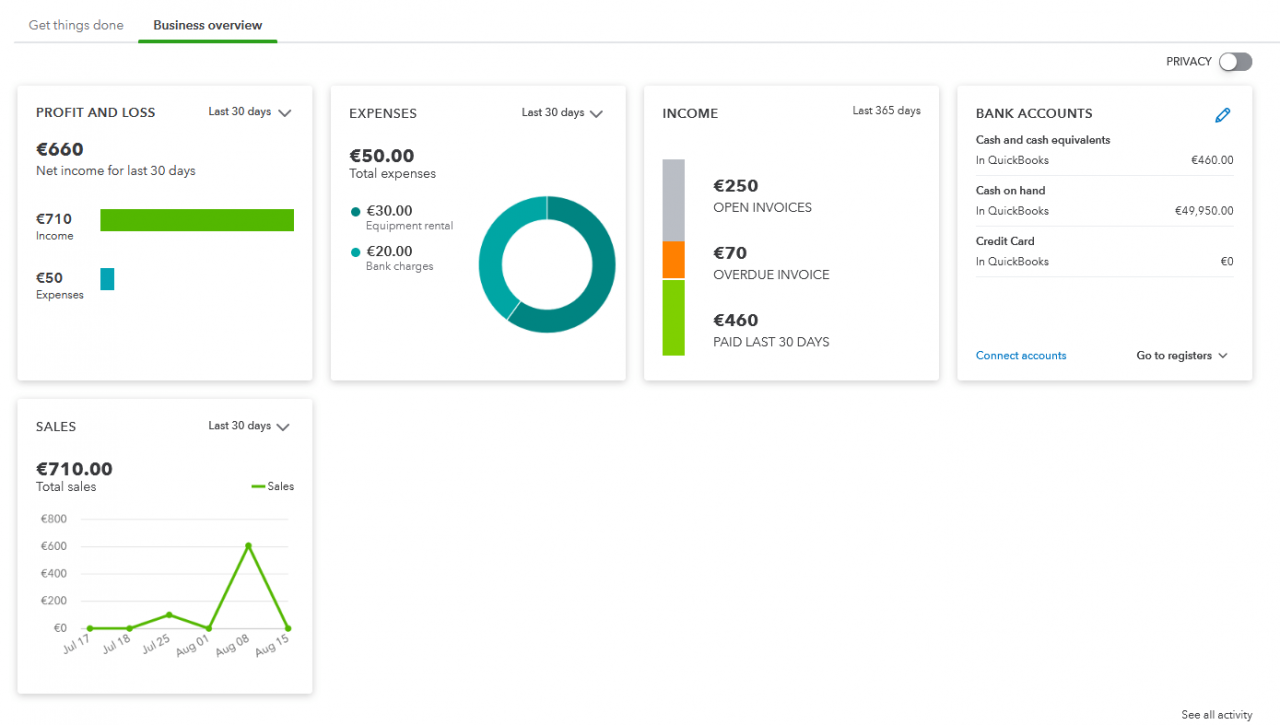
Features | What Is QuickBooks? | QuickBooks Online Canada

In conclusion, establishing a legally sound business involves careful consideration of your chosen name, compliance requirements, and the support of a legal advisor. This guide has provided a comprehensive overview of the key elements to establishing a legally compliant business using QuickBooks. Remember, meticulous planning and proactive measures are essential for success.

Detailed FAQs

What are common mistakes to avoid when selecting a business name?

Choosing a name already in use, failing to research trademark availability, and not considering the specific legal requirements of your location are some common mistakes. It’s crucial to conduct thorough research to avoid potential legal issues.

How can I check if a business name is already in use?

Conduct a thorough search using online databases and government resources. Local authorities also offer assistance in checking for name availability. Also, be sure to check for similar names already in use, not just exact matches.

What are the tax implications of different business structures?

Tax implications vary significantly depending on the structure (sole proprietorship, partnership, LLC, etc.). Consult with a tax professional to understand the specific implications for your chosen structure. Consider how your chosen structure affects your QuickBooks setup and tax reporting.

How does QuickBooks help with legal record-keeping?

QuickBooks offers robust tools for tracking transactions, generating reports, and organizing financial data. This facilitates compliance with various legal requirements and simplifies tax reporting. The system’s ability to organize records is crucial for compliance.

Choosing the right legal business name for your sole proprietorship is crucial for establishing a strong brand and navigating the legal landscape. This guide delves into the essential steps, from brainstorming unique names to ensuring compliance with regulations. Understanding the process will empower you to make informed decisions and avoid potential pitfalls.

This comprehensive resource explores the nuances of selecting a business name, outlining factors to consider, legal requirements, and strategies for protection. It also provides insights into the structure of a sole proprietorship, comparing it to other business types, and the role of legal counsel. We’ll cover specific considerations for various industries and offer practical examples to aid your understanding.

Choosing a Name

A strong business name is crucial for a sole proprietorship. It reflects your brand, attracts customers, and establishes a professional image. A carefully chosen name can significantly impact your business’s success.Selecting the right name involves more than just a catchy phrase; it’s about understanding your target market, your brand identity, and legal considerations. Careful planning in this stage will pay dividends in the long run.

Factors to Consider When Selecting a Name

Choosing a name requires careful consideration of various factors. A well-thought-out approach will ensure your business name resonates with your target audience and aligns with your long-term goals.

  • Target Audience: Understanding your target market is essential. A name that appeals to one demographic might not resonate with another. For example, a name emphasizing luxury might not be suitable for a budget-conscious market.
  • Brand Identity: Your name should reflect your brand’s personality and values. Is your brand innovative, traditional, or modern? The name should clearly convey this essence.
  • Memorability and Pronunciation: A memorable and easy-to-pronounce name is vital for customer recall. Avoid overly complex or unusual spellings.
  • Availability: Ensure the name isn’t already in use by another business, especially in your industry, or protected by a trademark. This avoids legal complications down the line.
  • s: Incorporating relevant s can help with online searches and visibility. For instance, a bakery might consider using words like “bakery,” “pastry,” or “sweet.”

Name Availability and Trademark Searches

Ensuring your chosen name is unique and not already claimed is critical. This step safeguards against potential legal issues and strengthens your brand’s identity.

  • Importance of Name Availability: A name that’s already in use could lead to confusion among customers or even legal battles with the existing business. Prior verification is essential.
  • Trademark Searches: A trademark search is crucial. This involves verifying if the name or a similar variation is already registered as a trademark. This protects your business from infringement claims.

Checking Name Availability

Verifying name availability involves specific steps depending on your jurisdiction. The process ensures your chosen name isn’t already claimed.

  • Jurisdictional Regulations: Different jurisdictions have different rules and procedures for business name registration. Research your specific state or country’s requirements.
  • State/Country-Specific Resources: Government websites and business registration agencies often provide detailed information about name availability checks. These are invaluable resources.
  • Online Databases: Online databases, including those maintained by government agencies or trademark offices, often contain registered business names and trademarks. Consult these resources to verify your desired name.

Name Registration Processes

The process of registering a business name differs across countries. This table illustrates the variations in approaches.

Country Registration Process Typical Duration
United States File with the relevant state office. 1-2 weeks
United Kingdom Register with Companies House. 1-2 weeks
Canada Register with the relevant provincial or territorial office. 1-3 weeks
Australia Register with ASIC (Australian Securities and Investments Commission). 1-2 weeks

Unique and Catchy Name Ideas

Here are a few examples of names, categorized by industry. These are designed to be evocative and memorable.

  • Technology: InnovateTech, PixelPro, CyberSolutions
  • Food and Beverage: The Gourmet Grind, Sweet Sensations, The Daily Treat
  • Consulting: Strategic Insights, Apex Advisors, Visionary Solutions
  • Fashion: StyleCraft, The Fashion Forward, Chic Appeal

Strong and Weak Business Names

Examples can illustrate the difference between strong and weak names.

  • Strong Names: These names are clear, memorable, and evoke a positive image: “Elegant Designs,” “Tech Solutions,” “The Cozy Corner.”
  • Weak Names: These names are vague, confusing, or lack memorability: “Things,” “Stuff,” “Biz Solutions.”

Legal Requirements

Choosing a name for your sole proprietorship is an important step, but it’s equally crucial to ensure your chosen name adheres to legal requirements. Compliance with these regulations safeguards your business’s legitimacy and avoids potential conflicts or legal issues. Navigating these requirements can be streamlined with a clear understanding of the specific rules in your jurisdiction.Understanding the differences between a sole proprietorship and other business structures is fundamental.

A sole proprietorship is the simplest form, where the owner and the business are legally indistinguishable. Other structures, like partnerships or corporations, have distinct legal identities, affecting liability and taxation. These differences in legal structure dictate the procedures for name registration.

Name Registration Requirements

Understanding the specific requirements for registering a business name in different jurisdictions is critical. Each state and country has its own regulations, which might involve submitting paperwork, paying fees, and fulfilling certain requirements. Researching the local rules is essential for a smooth and legally compliant process.

Differences Between Sole Proprietorships and Other Business Structures

A sole proprietorship, the simplest business structure, combines the business owner with the business entity itself. This means the owner’s personal assets are directly liable for business debts. In contrast, other business structures, such as partnerships and corporations, establish a legal separation between the owners and the business. This separation limits the owners’ personal liability.

Essential Documents for Name Registration

The specific documents required for name registration vary by jurisdiction. However, common documents typically include:

  • Application Form: This form usually collects essential details about the business, such as the business name, owner’s information, and intended business activities.
  • Proof of Identity: This typically includes government-issued identification documents, such as a driver’s license or passport.
  • Business Plan (optional): While not always mandatory, a business plan can provide valuable context to the authorities regarding the nature of the business.
  • Registration Fees: Payment of the necessary fees, which can vary significantly by location, is a crucial component of the registration process.

A comprehensive list of required documents should be accessible from your local government’s business registration website.

Implications of Non-Compliance

Non-compliance with name registration regulations can lead to serious repercussions. Failure to register the business name can result in legal issues, including fines, penalties, and restrictions on operating the business. It’s vital to consult with legal professionals or the relevant authorities to ensure complete compliance.

Doing Business As (DBA)

A “Doing Business As” (DBA) designation allows a sole proprietor to operate under a name different from their legal name. This is common when a sole proprietor wants to use a business name that is distinct from their personal name. The DBA is a way to establish a recognizable business identity.

Naming Conventions

Naming conventions for sole proprietorships vary across states and countries. Some jurisdictions may require the name to include specific details, like the owner’s name, while others might have broader guidelines. This variance necessitates research into the specific rules of each jurisdiction.

Jurisdiction Naming Conventions
State A Business name must include owner’s last name.
State B Business name can be distinct from owner’s name, but must be unique.
Country C Business name must include a descriptive term related to the business activity.

This table provides a simplified overview; always consult the relevant authorities for the most up-to-date and precise information.

Name Protection

Protecting your business name is crucial for establishing a unique brand identity and safeguarding your business from potential legal disputes. A well-protected name allows for easier recognition and customer trust, ultimately contributing to your business’s long-term success. A strong brand identity, established through effective name protection, can build a recognizable image and fosters customer loyalty.Thorough name protection strategies extend beyond simply choosing a catchy name; it involves actively securing your chosen name from unauthorized use by competitors or others.

This proactive approach helps maintain your brand’s integrity and prevents potential dilution of your brand’s value. This process involves understanding legal frameworks and actively registering your business name to maintain your brand’s exclusivity.

Strategies for Protecting Your Business Name

Protecting your business name involves proactive measures that safeguard your brand identity and prevent potential conflicts. These strategies include securing trademark rights and understanding intellectual property laws. The key is to demonstrate to the legal system that you have established a brand and have a right to its use.

  • Comprehensive Trademark Search: Conducting a thorough trademark search before finalizing your business name is essential. This search helps identify existing trademarks that are similar or identical to your chosen name. It prevents potential legal issues down the road and saves time and resources in the long run.
  • Early Trademark Filing: Filing for a trademark as soon as possible after selecting a name is highly recommended. This establishes your claim to the name in the marketplace and prevents others from using it before you do.
  • Monitoring for Infringement: Actively monitoring for any use of your business name by others is vital. This proactive approach can identify potential infringements and allow for swift action to protect your brand.

Securing Your Business Name as a Trademark

Securing your business name as a trademark is a legal process that establishes exclusive rights to use the name in commerce. This process ensures that you are the only one who can use the name for specific goods or services.

  • Understanding Trademark Classifications: Understanding trademark classifications is essential. This process helps determine the specific goods or services your business offers and ensures the trademark registration is appropriate.
  • Preparing the Trademark Application: A well-prepared application is key to a successful trademark registration. It should include detailed information about your business name, the goods or services it offers, and any relevant visuals (logo). Accurate and complete information is essential for the registration process.
  • Filing and Maintaining Trademark Registrations: Proper filing and maintenance of trademark registrations are essential for retaining exclusive rights. Maintaining compliance with regulatory requirements ensures continued protection of your brand.

Importance of Trademark Registration and its Benefits

Trademark registration provides legal protection and significant benefits. It grants exclusive rights to use the trademark, preventing others from using it without permission.

  • Establishing Brand Identity: A registered trademark strengthens your brand identity and provides recognition in the market. It communicates your brand’s uniqueness and builds customer trust.
  • Preventing Infringement: Registration provides legal recourse if your trademark is infringed. This ensures swift action against unauthorized use of your business name.
  • Enhanced Business Credibility: A registered trademark enhances your business’s credibility and professionalism. It demonstrates your commitment to your brand and establishes your business as a legitimate entity.

Steps for Trademark Registration (Sample)

The following table provides a general overview of the steps involved in trademark registration in various countries. Note that these steps may vary depending on the specific jurisdiction.

Country Step 1: Search Step 2: Application Step 3: Examination Step 4: Publication Step 5: Opposition Step 6: Registration
United States USPTO website search USPTO application form USPTO examination USPTO publication USPTO opposition period USPTO registration
European Union EUIPO website search EUIPO application form EUIPO examination EUIPO publication EUIPO opposition period EUIPO registration
China CNIPA website search CNIPA application form CNIPA examination CNIPA publication CNIPA opposition period CNIPA registration

Potential Risks of Not Protecting Your Business Name

Failing to protect your business name can lead to various legal and reputational risks. The risks include potential infringement claims and difficulty establishing a strong brand presence.

  • Infringement Claims: Without trademark protection, your business name might be challenged by others who use a similar name. This can result in legal disputes and potential financial losses.
  • Brand Dilution: Lack of protection can lead to the dilution of your brand’s identity as others use similar names. This can harm your brand’s reputation and market value.
  • Loss of Market Share: Competitors using similar names can confuse customers, leading to a loss of market share for your business. This is a significant risk for a new business.

Different Types of Intellectual Property Protections

Understanding various intellectual property protections helps businesses safeguard their brand identity and maintain market competitiveness.

Type of Protection Description
Trademarks Marks used to identify and distinguish goods or services of one party from those of others.
Patents Exclusive rights granted for an invention, which allows the patent holder to exclude others from making, using, or selling the invention.
Copyrights Legal rights granted to the creators of original works of authorship, such as literary, dramatic, musical, and certain other intellectual works.

Sole Proprietorship Structure

A sole proprietorship is the simplest business structure, ideal for entrepreneurs starting their ventures. It’s characterized by a straightforward setup and minimal regulatory hurdles. However, understanding the associated responsibilities and liabilities is crucial for successful operation. This structure directly connects the owner with the business, blurring the lines between personal and business assets and liabilities.The legal structure of a sole proprietorship is straightforward.

It’s essentially an unincorporated business where the owner and the business are legally indistinguishable. This means the owner is personally liable for all business debts and obligations. This direct link between personal and business finances demands careful consideration of financial risks and responsibilities.

Responsibilities of a Sole Proprietor

The owner of a sole proprietorship wears multiple hats, handling various aspects of the business. These responsibilities include managing finances, marketing, operations, and customer relations. This comprehensive involvement can be demanding, but it also offers complete control over business decisions.

Liabilities of a Sole Proprietor

A significant aspect of a sole proprietorship is unlimited personal liability. This means that the owner’s personal assets, such as a home or savings, are at risk if the business incurs debt or faces lawsuits. It’s crucial to protect personal assets by maintaining appropriate insurance coverage and separating business finances.

Tax Implications of a Sole Proprietorship

The tax implications of a sole proprietorship are relatively simple. Business income is reported on the owner’s personal income tax return, using Schedule C. This streamlined reporting process is a key advantage of this structure. There are no separate business tax filings.

Personal vs. Business Liabilities

The crucial distinction lies in the blurring of personal and business liabilities. In a sole proprietorship, these are not separate entities. Business debts become the owner’s personal responsibility, potentially jeopardizing personal assets. A key strategy is to maintain a clear separation of business and personal finances to mitigate this risk.

Steps in Setting Up a Sole Proprietorship

Establishing a sole proprietorship typically involves these steps:

  • Choose a Business Name: Select a name that aligns with your business and is available for use. Consider legal name availability in your jurisdiction.
  • Obtain Necessary Licenses and Permits: Local, state, and federal requirements vary significantly. Ensure compliance to avoid penalties.
  • Register Your Business: This step may not be mandatory in all jurisdictions but can help establish your business identity and create credibility.
  • Open a Business Bank Account: Separating business and personal finances is crucial to manage liabilities effectively. This helps maintain accurate record-keeping.
  • Comply with Tax Obligations: Understand your tax responsibilities and ensure timely payments. Failure to comply can lead to significant penalties.

Sole Proprietorship vs. Partnership

Feature Sole Proprietorship Partnership
Ownership Single owner Multiple owners
Liability Unlimited personal liability Unlimited personal liability (general partnership), or limited liability (limited liability partnership)
Decision-making Complete control by the owner Shared decision-making among partners
Taxation Income reported on personal tax return Income reported on individual partner tax returns
Formation Simpler and less formal More complex, typically with a partnership agreement

Note that this table summarizes key distinctions. Specific requirements and regulations may vary depending on jurisdiction.

Legal Advisor Role

HD wallpaper: brown hardbound book, books, photography, old, paper ...

A crucial step in establishing a successful sole proprietorship is seeking guidance from a legal advisor. They provide invaluable expertise in navigating the legal intricacies surrounding business names and operations, helping entrepreneurs avoid potential pitfalls and safeguard their interests. Their insights are essential for establishing a strong foundation for long-term growth and compliance.Legal advisors play a multifaceted role in assisting entrepreneurs, particularly concerning the selection and protection of a business name.

Their knowledge extends beyond the straightforward registration process, encompassing a comprehensive understanding of trademark law, potential conflicts with existing businesses, and the implications of the chosen name on the overall business structure.

Roles and Responsibilities of a Legal Advisor

Legal advisors meticulously review proposed business names, ensuring they adhere to all applicable legal requirements. This involves checking for availability, potential conflicts with existing trademarks, and compliance with state and federal regulations. They also assist in drafting necessary legal documents, including registration forms and agreements. Beyond compliance, they offer strategic advice to optimize the name’s impact on branding and marketing.

Importance of Consulting with a Legal Advisor

Consulting with a legal advisor is paramount for safeguarding against legal issues. They possess the expertise to identify potential conflicts or issues with a proposed name, preventing costly mistakes or future disputes. By proactively addressing potential problems, entrepreneurs can avoid significant financial losses or legal complications.

Examples of Legal Advice Regarding Business Name Selection

Legal advisors can advise on choosing names that are not confusingly similar to existing trademarks or brand names. For instance, if a proposed name is too similar to an established competitor’s brand, they can recommend alternative names or suggest strategies for navigating such a situation. They can also advise on names that might raise issues of misrepresentation or violate intellectual property rights.

Legal Advice to Avoid Legal Pitfalls

Legal advisors provide guidance on avoiding legal pitfalls, such as using a name that is already registered as a trademark or infringes on another entity’s intellectual property. They can also help ensure the name complies with all applicable state and local regulations, avoiding potential penalties or legal action. They can provide specific recommendations for wording or formatting that minimizes the risk of legal challenges.

Potential Benefits of Seeking Legal Counsel During Business Formation

Seeking legal counsel during business formation can yield several significant advantages. A legal advisor can help prevent future legal disputes, ensure compliance with regulations, and help establish a solid legal framework for the business. This can ultimately save time and resources in the long run by avoiding costly legal issues. They provide valuable expertise in negotiating contracts and ensuring compliance, mitigating risk and promoting long-term success.

Comparison of Services Offered by Different Types of Legal Advisors

Different legal advisors specialize in various areas of law. Corporate lawyers, for instance, have extensive knowledge of business structures and regulations, while intellectual property lawyers specialize in trademark and copyright law. Selecting the right type of legal advisor is crucial for obtaining the most relevant and effective guidance for a sole proprietorship. Carefully considering the legal advisor’s background and experience is key to obtaining the best legal advice.

How a Legal Advisor Can Assist in Name Protection Strategies

Legal advisors play a critical role in implementing name protection strategies. They can guide the selection of a unique and memorable name that is less likely to be challenged, helping to protect the business from future legal conflicts. Their expertise includes registering the business name, filing for trademarks, and understanding the implications of using a name in different jurisdictions.

Questions to Ask a Legal Advisor Before Forming a Sole Proprietorship

A comprehensive consultation with a legal advisor should involve a detailed discussion of the business’s objectives, the target market, and the legal landscape. Questions to ask include:

  • What are the potential legal issues associated with my chosen business name?
  • How can I protect my business name from infringement by others?
  • What are the specific legal requirements for registering my business name in my state?
  • What are the potential tax implications of operating as a sole proprietorship?
  • What legal documents do I need to form my sole proprietorship?

These questions ensure the advisor understands the business’s needs and provides tailored guidance.

Considerations for Specific Industries

Choosing a business name is a critical step in establishing a successful sole proprietorship. Understanding industry-specific nuances is vital for a name that resonates with your target audience and complies with legal requirements. This section delves into factors to consider when selecting a name tailored to various industries.Industry-specific considerations go beyond simply choosing a catchy name. It involves a deep understanding of the industry landscape, its regulations, and its target audience.

A name that works well in one sector might be inappropriate or even problematic in another.

Factors to Consider in Different Industries

Careful consideration of industry-specific factors ensures the business name effectively represents the company and its offerings. These factors include the industry’s image, its values, and the specific target audience.

  • Retail: Consider names that evoke a sense of trust and value. Names that suggest affordability or quality are beneficial. A name should easily communicate the type of goods or services offered. For example, a high-end clothing store might benefit from a name with a sophisticated and luxurious feel, whereas a budget-friendly store might want a name that projects value and affordability.

  • Technology: Names in the tech sector often emphasize innovation, creativity, and cutting-edge solutions. Modern, concise, and memorable names are frequently chosen. This includes names that are easily translated and adaptable across different languages.
  • Healthcare: Names in healthcare should convey trust, professionalism, and expertise. Names that evoke a sense of care and compassion are preferred. Avoid names that might be misinterpreted or sound unprofessional. Names should also adhere to strict regulations and standards within the healthcare industry.
  • Food Service: Names in the food service industry should reflect the type of cuisine or atmosphere. Appealing names might include names that evoke nostalgia or highlight a unique element of the cuisine.

Legal Requirements for Specific Industries

Different industries have specific legal requirements for business names. These regulations ensure compliance and protect consumers from potential confusion.

  • Professional Services (e.g., law, accounting): These industries often require specific designations or titles in their business names to reflect the professional qualifications of the owners. For example, a lawyer must use their designation in their business name.
  • Financial Services: Regulations for financial services companies are highly specific and stringent. Names need to adhere to guidelines established by regulatory bodies to avoid misleading or misrepresenting the nature of the financial services offered.
  • Construction: Names in the construction industry need to convey professionalism and experience. They should also follow local regulations and zoning laws. Names may also need to comply with requirements for contractors’ licenses and registrations.

Creative Name Examples for Various Industries

  • Retail: “The Cozy Corner,” “Artisan’s Haven,” “Trendy Threads”
  • Technology: “Innovate Solutions,” “CodeCraft,” “Digital Dynamics”
  • Healthcare: “Compassionate Care,” “Wellness Pathways,” “Healthy Horizons”
  • Food Service: “The Daily Grind,” “Spice Route,” “The Gourmet Grill”

Adapting Naming Strategies to Target Audience

Understanding the target audience is crucial for creating a name that resonates with them.

  • Targeting Millennials: Names that are modern, tech-savvy, and inclusive.
  • Targeting Baby Boomers: Names that are classic, traditional, and reliable.

Business Name Regulations by Sector

This table provides a comparative overview of business name regulations across various sectors. Note that these are general examples and specific regulations may vary by location.

Industry Sector Key Considerations
Retail Clarity, brand image, and target audience
Technology Innovation, modernity, and conciseness
Healthcare Professionalism, trust, and compliance with regulations
Food Service Clarity on cuisine type, atmosphere, and branding

Branding and Marketing Strategies

A well-chosen name is a cornerstone of a strong brand.

  • Consistent Branding: Using the name consistently across all marketing materials and communications.
  • Effective Marketing: Promoting the name through various channels to reach the target audience effectively.

Epilogue

In conclusion, establishing a legally sound business name for a sole proprietorship requires careful consideration of various factors. This guide has provided a structured overview, encompassing name selection, legal requirements, protection strategies, and the role of legal advisors. By understanding the presented information, entrepreneurs can confidently navigate the process and build a successful venture.

Expert Answers

What are the common pitfalls to avoid when choosing a business name?

Using names already in use by other businesses, failing to check name availability, overlooking trademark restrictions, and neglecting to consult with a legal professional are common pitfalls.

What are the essential documents needed for name registration?

The required documents for name registration vary by jurisdiction but often include applications, business licenses, and supporting documentation, such as articles of organization or other legal filings.

What are the tax implications of operating as a sole proprietor?

Sole proprietors report business income and expenses on their personal tax returns. This means that profits and losses are directly reflected in personal income, requiring careful tracking of business finances.

How does a DBA differ from a formal business name?

A DBA, or “doing business as,” allows a sole proprietor to operate under a name different from their personal name. It does not involve registering a separate business entity, but it is still important to understand the legal implications and compliance requirements.

Business law in Hindi provides a crucial framework for navigating the complexities of the Indian business landscape. This guide delves into the fundamental principles, types of business entities, and crucial areas of law that businesses in Hindi-speaking regions must understand. From contracts to intellectual property, and dispute resolution, this exploration covers the essentials for success.

This comprehensive overview explores the multifaceted world of business law in Hindi, highlighting the significance of understanding legal frameworks for success in India’s dynamic market. We’ll examine the evolution of business law, its crucial role in the economy, and the specific challenges faced by businesses operating in diverse sectors.

Types of Business Entities in India

Understanding the various business structures available in India is crucial for entrepreneurs and aspiring business owners. Choosing the right structure impacts legal liabilities, tax implications, and overall operational efficiency. Different entities cater to different needs, from small-scale ventures to large corporations. This section details the common business structures prevalent in India, along with their legal requirements and responsibilities.

Common Business Structures in India

Various business structures exist in India, each with unique characteristics and implications. A thorough understanding of these structures is vital for informed decision-making. Choosing the appropriate structure is critical for success.

Structure Hindi Name Description Key Differences
Sole Proprietorship एकल स्वामित्व A business owned and run by a single individual. The owner has unlimited liability, meaning personal assets are at risk. Simple to establish. Simplest structure; owner directly controls the business; unlimited personal liability.
Partnership साझेदारी A business owned and run by two or more individuals. Partners share in the profits and losses and have a mutual agreement governing the business. Generally, partners have unlimited liability. More complex than sole proprietorship; shared profits and losses; often governed by a partnership deed; unlimited liability for general partners.
Limited Liability Partnership (LLP) सीमित देयता भागीदारी (एलएलपी) A hybrid structure combining elements of a partnership and a company. LLPs offer limited liability to partners, protecting personal assets. Requires compliance with specific regulations. Limited liability for partners; more complex than a partnership; separate legal entity; requires compliance with LLP Act.
Company कंपनी A separate legal entity distinct from its owners (shareholders). Companies offer limited liability, protecting personal assets. More complex to establish than other structures. Separate legal entity; limited liability for shareholders; more complex setup; subject to company law regulations.

Legal Requirements and Procedures

Establishing a business entity in India involves specific legal procedures and documentation. The procedures vary depending on the chosen structure.

  • Sole Proprietorship: Registration is usually not mandatory, though licenses and permits might be required based on the nature of the business. The business is typically registered under the name of the proprietor.
  • Partnership: A partnership deed is essential, outlining the agreement between partners. This document should include details such as profit sharing ratios, responsibilities, and dispute resolution mechanisms.
  • LLP: Registration under the Limited Liability Partnership Act is required. This involves filing necessary documents with the Registrar of Companies.
  • Company: Companies need to be registered under the Companies Act. This process involves preparing various documents, including the Memorandum and Articles of Association. Compliance with the Act is crucial.

Responsibilities of Owners/Members

The responsibilities of owners or members differ based on the chosen business structure.

  • Sole Proprietorship: The owner is fully responsible for all business debts and obligations. They have complete control over the business operations.
  • Partnership: Partners share responsibilities and liabilities as defined in the partnership agreement. Jointly and severally liable for business debts.
  • LLP: Partners are liable only up to the extent of their contributions, as per the LLP agreement. Management and decision-making are governed by the LLP agreement.
  • Company: Shareholders have limited liability, not personally responsible for company debts beyond their investment. Management responsibilities are delegated to the board of directors.

Contract Law in India

Contract law in India forms a crucial aspect of the business landscape, governing agreements between parties. It provides a framework for enforcing promises and resolving disputes arising from contractual obligations. Understanding the fundamentals of contract law is essential for businesses to operate efficiently and minimize potential legal issues.

Fundamentals of Contract Law in India

Indian contract law, largely based on the Indian Contract Act of 1872, Artikels the principles governing agreements. This act defines a contract as an agreement enforceable by law. Key elements, like offer and acceptance, consideration, and capacity to contract, must be present for a contract to be legally binding.

Essential Elements of a Valid Contract

A valid contract necessitates several key elements. These include:

  • Offer and Acceptance: A clear and definite proposal (offer) by one party (offeror) to another (offeree), which is unequivocally accepted by the offeree. An offer must be communicated and definite. Acceptance must be absolute and unconditional, matching the offer precisely.
  • Consideration: Something of value exchanged between the parties. It can be money, goods, services, or a promise. The consideration must be legal and not against public policy.
  • Intention to Create Legal Relations: Both parties must intend for the agreement to be legally binding. Social or domestic agreements often lack this intent. Commercial agreements generally have this intent.
  • Capacity to Contract: Both parties must have the legal ability to enter into a contract. Minors, individuals of unsound mind, and those legally disqualified are typically excluded.
  • Free Consent: Consent must be freely given without coercion, undue influence, fraud, misrepresentation, or mistake. These vitiate consent, making the contract voidable.
  • Legality of Object: The purpose of the contract must be legal and not against public policy or any law.

Common Contract Disputes in Business Settings

Disputes frequently arise in business contracts. Common examples include:

  • Breach of Contract: One party failing to fulfill their contractual obligations.
  • Misrepresentation: False statements made by one party to induce the other party into the contract.
  • Frustration of Contract: Unforeseen events making the contract impossible to perform.
  • Uncertain Terms: Ambiguous or unclear language in the contract leading to disagreements.
  • Lack of Consideration: A situation where one party argues there was no valid exchange of value.

Remedies for Breach of Contract

Various remedies are available for breach of contract. These include:

  • Damages: Monetary compensation to the injured party for losses suffered due to the breach.
  • Specific Performance: A court order requiring the breaching party to fulfill their contractual obligations.
  • Injunction: A court order preventing a party from doing something that violates the contract.
  • Rescission: Cancellation of the contract, returning the parties to their pre-contractual positions.

Key Provisions of a Typical Business Contract

The following table Artikels key provisions often found in business contracts in India:

Provision Description (in Hindi)
Parties संविदा के पक्षकारों का विवरण
Subject Matter संविदा का विषय वस्तु
Price/Payment Terms मूल्य/भुगतान शर्तें
Delivery/Performance डिलीवरी/निष्पादन शर्तें
Warranties and Representations वारंटी और अभिव्यक्तियाँ
Dispute Resolution विवाद समाधान प्रक्रिया
Governing Law प्रशासक कानून

Intellectual Property Law in India

Intellectual property (IP) law safeguards creations of the mind, including inventions, literary and artistic works, and symbols. This legal framework is crucial for businesses, enabling them to protect their valuable assets and incentivize innovation. Strong IP protection fosters a competitive market, promoting creativity and driving economic growth.

Types of Intellectual Property Rights

Intellectual property rights in India encompass various categories, each designed to protect different types of creations. These include patents, trademarks, and copyrights. Patents protect inventions, trademarks safeguard brand identities, and copyrights safeguard original works of authorship. Understanding these distinct categories is vital for businesses seeking to safeguard their creations.

Importance of Protecting Intellectual Property

Protecting intellectual property is essential for businesses in India. It allows companies to establish brand recognition, prevent unauthorized use of their creations, and maintain a competitive edge. Strong IP protection fosters innovation and encourages investment in research and development, which in turn stimulates economic growth. By safeguarding their intellectual property, businesses can ensure the long-term viability and success of their operations.

Legal Procedures for Obtaining and Enforcing Intellectual Property Rights

The process for obtaining and enforcing intellectual property rights varies depending on the type of right. Generally, the process involves filing applications with the relevant authorities, adhering to specific guidelines, and potentially undergoing legal proceedings if infringement occurs. Thorough understanding of the procedures is crucial for effective protection.

Examples of Intellectual Property Rights in Different Business Sectors

Intellectual property rights are used across diverse sectors in India. For instance, pharmaceutical companies utilize patents to protect their innovative drugs, while clothing brands employ trademarks to distinguish their designs. Software developers leverage copyrights to safeguard their original code, and designers rely on patents for protection of their inventions. This widespread application underscores the significance of IP rights in driving various industries.

Example: Trademark Registration Process

Step Description
1. Trademark Search A thorough search is conducted to ensure the proposed trademark is not already in use by another entity.
2. Filing the Application A formal application, including the trademark design, is filed with the Indian Intellectual Property Office (IPO). Detailed information about the proposed trademark is required.
3. Examination by the IPO The IPO examines the application to verify its compliance with the relevant regulations and to ensure it is not confusingly similar to existing trademarks.
4. Publication and Opposition The proposed trademark is published for potential oppositions from other parties who believe it infringes on their existing rights.
5. Acceptance and Registration Upon successful resolution of any opposition, the trademark is registered, granting the owner exclusive rights to use the mark.

Corporate Governance and Compliance in India

Corporate governance is crucial for the smooth functioning and long-term success of any business entity, particularly in the complex Indian market. Strong corporate governance structures build trust with stakeholders, including investors, customers, and the public. Compliance with regulations is paramount, ensuring legal adherence and maintaining a positive reputation. This section explores the key aspects of corporate governance and compliance in the Indian context.

Concept of Corporate Governance

Corporate governance encompasses the systems and processes by which companies are directed and controlled. It involves the interplay of a company’s board of directors, management, shareholders, and other stakeholders. Effective corporate governance promotes accountability, transparency, and fairness in decision-making, ultimately fostering trust and confidence. A well-structured governance framework minimizes risks, safeguards assets, and facilitates sustainable growth.

Compliance Requirements for Indian Companies

Indian businesses, especially companies, are subject to numerous compliance requirements across various laws and regulations. These requirements cover areas such as company law, financial reporting, environmental protection, and labor laws. Failure to comply with these regulations can lead to severe penalties, including fines, legal action, and reputational damage. Adherence to the rules and regulations is essential for maintaining legitimacy and preventing legal issues.

Regulatory Bodies Governing Business Activities

Several regulatory bodies oversee different aspects of business activities in India. These bodies ensure that businesses operate within the prescribed legal framework.

  • The Ministry of Corporate Affairs (MCA) is the primary regulatory body for companies in India, overseeing incorporation, compliance, and other aspects of company law.
  • The Securities and Exchange Board of India (SEBI) regulates the securities market, ensuring fair and transparent dealings in financial instruments.
  • The Reserve Bank of India (RBI) regulates the banking and financial sector, safeguarding the stability and integrity of the financial system.
  • The Competition Commission of India (CCI) promotes competition and prevents anti-competitive practices in the market.
  • Various other ministries and departments are responsible for specific industry-related regulations, like the Ministry of Environment, Forest and Climate Change for environmental laws.

Role of Ethics and Social Responsibility in Business Law

Ethical conduct and social responsibility are integral components of business law in India. Companies are expected to operate with integrity, transparency, and respect for stakeholders. Ethical considerations and social responsibility are crucial for long-term sustainability and maintaining a positive brand image. These principles go beyond legal compliance and embrace responsible behavior that benefits society. A company’s commitment to social responsibility builds trust and enhances its reputation.

Implications of Non-Compliance with Business Laws

Non-compliance with business laws in India can have significant consequences. Penalties for violations can vary depending on the nature of the offense and the specific regulatory body involved. These can include hefty fines, legal action, imprisonment, and reputational damage. Consequences can impact a company’s financial health, market standing, and even its ability to operate legally.

Non-compliance can result in substantial financial losses, legal battles, and erosion of public trust.

Dispute Resolution in India

Dispute resolution is a crucial aspect of business operations in India. Effective mechanisms for resolving conflicts can minimize disruptions, preserve relationships, and ensure the smooth functioning of business transactions. Understanding the various methods available, their advantages, and disadvantages is essential for businesses navigating the Indian legal landscape.

Dispute Resolution Methods

Different approaches to dispute resolution exist, each with its own characteristics and suitability for specific situations. These methods include negotiation, mediation, arbitration, and litigation.

Negotiation

Negotiation is the most basic form of dispute resolution, involving direct communication between the parties to reach a mutually acceptable agreement. It is often the first step in resolving a conflict, allowing parties to explore options and potentially resolve the issue informally. Advantages include its cost-effectiveness and preservation of relationships. Disadvantages include potential power imbalances and lack of structure.

The legal procedure for negotiation is largely informal, relying on communication and willingness to compromise. Examples include settling contractual disagreements before formal action is taken.

Mediation

Mediation involves a neutral third party, the mediator, who facilitates communication and negotiation between the disputing parties. The mediator does not impose a solution but guides the parties toward a mutually agreeable resolution. Advantages include confidentiality, flexibility, and cost-effectiveness compared to litigation. Disadvantages include the possibility of no resolution being reached and the mediator’s inability to impose a decision.

Legal procedures for mediation typically involve a structured process with the mediator facilitating discussions and encouraging compromise. Examples include resolving disputes between business partners or in consumer cases.

Arbitration

Arbitration is a formal dispute resolution process where a neutral third party, the arbitrator, hears evidence and arguments from both sides and makes a binding decision. Advantages include the possibility of a more efficient and cost-effective process than litigation, and the ability to select an arbitrator with specific expertise. Disadvantages include the lack of public access and the possibility of limited appellate rights.

The legal procedure for arbitration follows a set of rules, typically including a formal hearing, presentation of evidence, and a reasoned award. Examples include disputes between international companies, particularly in construction or supply chain issues.

Litigation

Litigation involves taking a case to court, where a judge or jury hears evidence and arguments and renders a decision. Advantages include the possibility of a legally binding decision and access to public records. Disadvantages include the time-consuming nature of the process, the cost of legal representation, and the potential for negative publicity. The legal procedure for litigation involves filing a complaint, responding to the complaint, discovery, trial, and appeal.

Examples include patent infringement cases or contract breach issues that require judicial intervention.

Comparison of Dispute Resolution Methods

Method Advantages Disadvantages Legal Procedure Examples
Negotiation Cost-effective, preserves relationships Potential power imbalances, lack of structure Informal communication Contractual disagreements
Mediation Confidentiality, flexibility, cost-effective No guarantee of resolution, mediator has no decision-making power Structured process, facilitated communication Business partner disputes, consumer cases
Arbitration Efficient, cost-effective, specialized expertise Lack of public access, limited appellate rights Formal hearing, evidence presentation, award International company disputes, construction issues
Litigation Legally binding decision, public access Time-consuming, costly, potential negative publicity Complaint, response, discovery, trial, appeal Patent infringement, contract breach

Business Law in Specific Sectors in India

Indian business law encompasses a wide range of sectors, each with its own unique set of regulations and challenges. Understanding these sector-specific laws is crucial for businesses operating in India to navigate the complexities of the legal landscape and ensure compliance. This section delves into the specifics of business law within key sectors like manufacturing, retail, and technology.

Manufacturing Sector Regulations

The manufacturing sector in India is subject to a multitude of regulations, primarily concerning environmental protection, labor laws, and product safety. Companies need to adhere to environmental clearances, factory safety standards, and labor regulations to operate legally and avoid penalties.

  • Environmental regulations are stringent and vary based on the nature of the manufacturing process and the location of the factory. Environmental Impact Assessments (EIAs) are mandatory for projects with potential environmental impact.
  • Labor laws mandate adherence to minimum wages, working hours, and other employee benefits. Non-compliance can result in significant penalties and legal repercussions.
  • Product safety regulations ensure that manufactured goods meet certain quality and safety standards. Failure to comply can lead to product recalls and legal actions.

Retail Sector Legal Framework

The retail sector, especially concerning e-commerce, has seen rapid growth and significant regulatory changes in India. Understanding these laws is essential for businesses to ensure legal operations and avoid disputes.

  • E-commerce regulations govern online marketplaces, including rules on taxation, data privacy, and consumer protection. Adherence to these regulations is crucial for avoiding penalties and ensuring a smooth online retail operation.
  • Competition laws apply to all sectors, including retail. Businesses need to ensure they do not engage in anti-competitive practices, such as price fixing or market allocation.
  • Specific licensing and permits may be required for certain types of retail operations, such as those involving alcohol or pharmaceuticals.

Technology Sector Legal Challenges

The technology sector in India faces unique legal challenges related to intellectual property, data privacy, and cybersecurity.

  • Intellectual property protection is crucial for technology businesses, encompassing patents, trademarks, and copyrights. Infringement can lead to significant legal issues and financial losses.
  • Data privacy laws, such as the Personal Data Protection Bill, are critical for handling sensitive user data. Non-compliance can lead to substantial fines and reputational damage.
  • Cybersecurity laws address online threats and data breaches. Companies need to implement robust security measures to protect sensitive information and comply with legal requirements.

Specific Legal Requirements for Technology Businesses

This table Artikels key legal requirements for technology businesses operating in India.

Area of Law Specific Requirements
Intellectual Property Registration of patents, trademarks, and copyrights for software, applications, and other intellectual property; compliance with IP laws during product development and distribution.
Data Privacy Adherence to the Personal Data Protection Bill (PDP Bill), including obtaining consent for data collection and storage; establishing clear data security protocols; and providing mechanisms for data subject rights.
Cybersecurity Implementing security measures to protect against cyber threats; complying with cybersecurity laws and regulations; conducting regular security audits; reporting data breaches to regulatory bodies.
E-commerce Complying with e-commerce regulations, including taxation, consumer protection, and online marketplace rules; adhering to digital transactions rules and regulations.

General Business Law Principles

General business law principles form the bedrock of a fair and efficient business environment. These principles guide businesses in their dealings with each other, consumers, and the government. Understanding these fundamental principles is crucial for ensuring ethical conduct, mitigating potential disputes, and promoting a healthy business ecosystem.

Overview of General Business Law Principles in Hindi

भारतीय व्यापार कानून के सामान्य सिद्धांत व्यापारियों के लिए एक निष्पक्ष और कुशल व्यापारिक वातावरण तैयार करते हैं। ये सिद्धांत व्यापारियों के आपसी संबंधों, उपभोक्ताओं के साथ और सरकार के साथ व्यवहार को निर्देशित करते हैं। इन मूलभूत सिद्धांतों को समझना नैतिक आचरण सुनिश्चित करने, संभावित विवादों को कम करने और एक स्वस्थ व्यापारिक पारिस्थितिकी तंत्र को बढ़ावा देने के लिए महत्वपूर्ण है।

Fairness and Good Faith in Business Transactions

Fairness and good faith are essential principles in business transactions. They require businesses to act honestly and reasonably in their dealings with others, avoiding any unfair advantage or deception. This principle fosters trust and cooperation in the business community.

Due Diligence in Business

Due diligence is a critical aspect of responsible business practice. It entails conducting thorough investigations and assessments before making significant business decisions, such as investments or mergers. This approach helps mitigate risks and ensures informed choices. Proper due diligence can prevent future disputes and safeguard the interests of all parties involved.

Transparency and Accountability in Business Transactions

Transparency and accountability are vital for maintaining trust and credibility in business transactions. Transparency requires open communication and clear disclosure of relevant information, while accountability necessitates accepting responsibility for one’s actions and decisions. These principles promote fairness and prevent potential abuses of power.

Principles of Consumer Protection Law

Consumer protection laws are designed to safeguard the rights and interests of consumers. These laws aim to ensure that consumers are treated fairly and are not subjected to unfair or deceptive practices by businesses. Protecting consumers is essential for a healthy and competitive marketplace.

  • Right to Safety: Consumers have the right to be protected against goods and services that are hazardous to their health or safety.
  • Right to be Informed: Consumers have the right to be given accurate and complete information about products and services, including their price, quality, and usage instructions.
  • Right to Choose: Consumers have the right to choose from a variety of products and services, without being subjected to coercion or unfair practices.
  • Right to be Heard: Consumers have the right to express their grievances and concerns about products and services, and have their voices heard.
  • Right to Redress: Consumers have the right to seek redressal for any harm caused by defective products or unfair business practices.

Last Point

In conclusion, this exploration of business law in Hindi underscores the critical importance of legal knowledge for businesses in India. Understanding contracts, intellectual property, and dispute resolution is paramount for navigating the complexities of the Indian market. The practical examples and comprehensive overview provided in this guide empower readers to make informed decisions and confidently operate within the legal framework.

Questions Often Asked

What are some common contract disputes in business settings in Hindi?

Common contract disputes often arise from disagreements over terms, performance, or breach of contract. These disputes can involve issues like payment, delivery, quality of goods, or failure to meet deadlines. Understanding these potential points of contention is crucial for mitigating risks and ensuring successful business transactions.

What are the key aspects of Intellectual Property law in India?

Key aspects of Intellectual Property Law in India involve protecting creations like patents, trademarks, and copyrights. This protection safeguards businesses’ inventions, brand identities, and artistic works. Strong IP rights are essential for maintaining competitiveness and preventing unauthorized use.

What are the different types of dispute resolution methods in business contexts?

Common dispute resolution methods include negotiation, mediation, arbitration, and litigation. Each method has unique advantages and disadvantages, depending on the nature of the dispute and the desired outcome. Understanding these methods allows businesses to select the most appropriate approach for resolving conflicts effectively.

What are the general business law principles in Hindi?

General business law principles emphasize fairness, good faith, due diligence, transparency, and accountability in business transactions. These principles are crucial for maintaining ethical conduct, fostering trust, and promoting a stable business environment.