As bitcoin price all time high takes center stage, this discussion invites you into the intriguing dynamics of Bitcoin’s value journey, revealing a narrative shaped by historical events, technological advancements, and market psychology.
From its humble beginnings to its record-breaking peaks, Bitcoin’s price history is a fascinating tapestry woven from various factors. This exploration delves into the influential moments and trends that have propelled Bitcoin to its all-time high, shedding light on how cryptocurrencies navigate the complexities of the financial landscape.
Overview of Bitcoin Price History
Bitcoin, the flagship cryptocurrency, has experienced a remarkable journey since its inception in 2009. Its price movements reflect a combination of technological advancements, regulatory changes, and market psychology, making Bitcoin’s price history a fascinating narrative in the financial world. Understanding this history is essential for grasping the factors influencing current market trends and the potential future of digital currencies.The price of Bitcoin has seen extreme volatility, characterized by rapid increases and significant declines.
Key events have shaped its trajectory, including regulatory developments, technological upgrades, and macroeconomic factors. Below is a timeline highlighting significant price changes leading up to Bitcoin’s all-time high, illustrating how external events and market sentiment can influence valuation.
Significant Price Changes Leading to All-Time High
The journey of Bitcoin’s price can be segmented into various phases, each marked by unique catalysts. Here’s a detailed timeline of notable price milestones:
- 2009-2010: Bitcoin was introduced, with its initial price pegged at virtually $0. In 2010, the first recorded transaction occurred, with Bitcoin valued at around $0.08.
- 2013: Bitcoin hit a then all-time high of approximately $1,200 in December, driven by increased media coverage and speculative trading.
- 2017: A monumental year for Bitcoin, where it skyrocketed to nearly $20,000 by December, fueled by institutional interest and the rise of Initial Coin Offerings (ICOs).
- 2018: The price corrected sharply, dropping to around $3,200 by December, largely due to regulatory scrutiny and market skepticism.
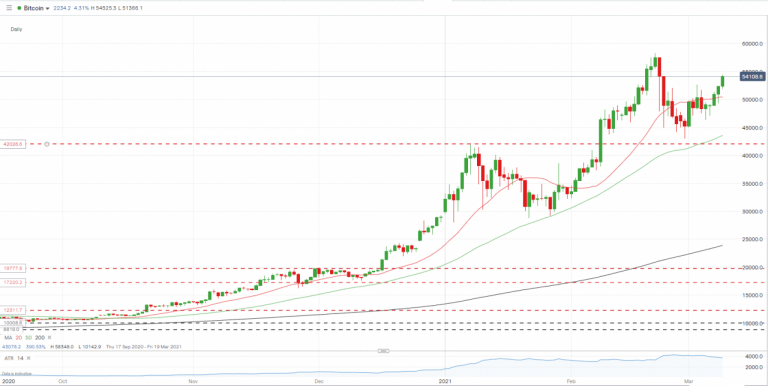
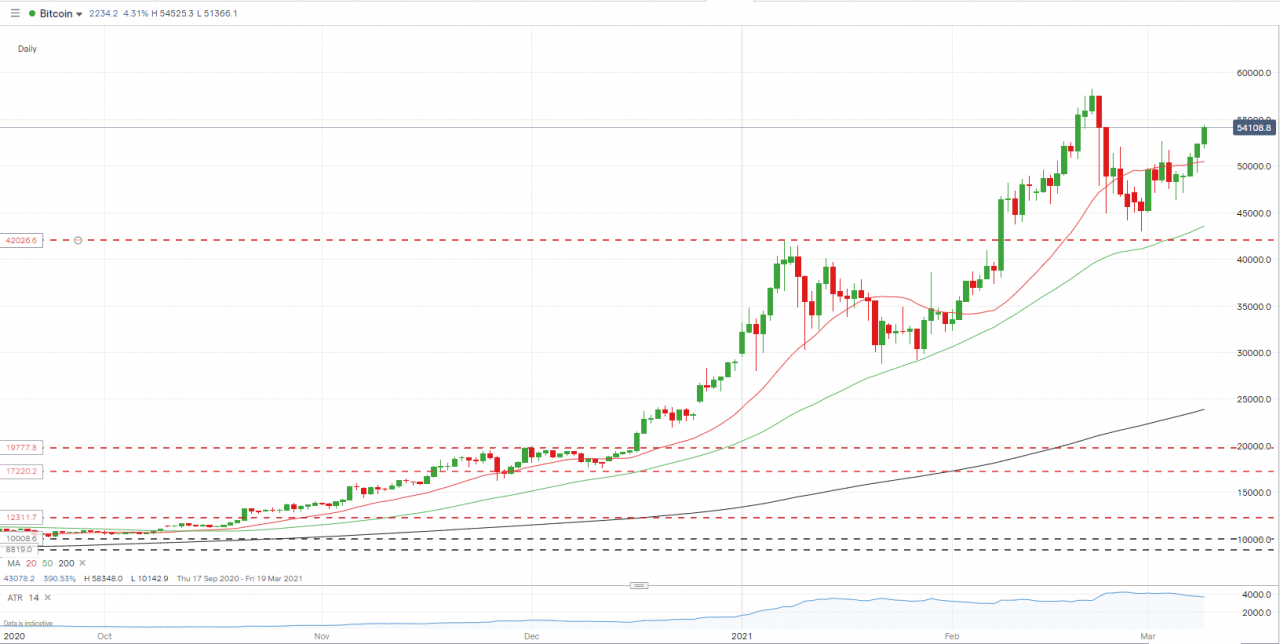
- 2020: Bitcoin began to recover, influenced by rising institutional adoption and concerns over inflation due to pandemic-related economic measures, reaching a new high of around $42,000 in January 2021.
- 2021: Bitcoin surpassed its previous all-time high, hitting approximately $64,000 in April, driven by increased acceptance among major companies and growing mainstream recognition.
- 2021-2022: Bitcoin reached its current all-time high of nearly $69,000 in November 2021, influenced by a combination of factors including growing interest from retail investors and significant institutional investments.
The impact of major events on Bitcoin price fluctuations has been profound. Regulatory announcements, technological changes such as upgrades to the Bitcoin network, and macroeconomic shifts can lead to immediate and pronounced price movements. For instance, Bitcoin’s price often reacts sharply to news regarding regulatory decisions in key markets or significant developments in the broader financial landscape.
“Bitcoin’s price is not just a reflection of supply and demand, but also a mirror of the psychological and emotional landscape of the market.”
In summary, the historical context of Bitcoin’s price movements showcases a market influenced by a myriad of factors, ranging from technological advances to global economic trends. Each phase of Bitcoin’s history offers valuable insights into the dynamics of cryptocurrency markets and the potential for future price movements.
Factors Influencing Bitcoin Price
The price of Bitcoin is subject to a myriad of influences that can cause significant fluctuations over short periods. Understanding these factors can help investors and enthusiasts alike make informed decisions regarding their engagement with this digital currency. Primarily, Bitcoin’s price is driven by the balance of market demand and supply, but other elements, such as media coverage and institutional investment, also play critical roles in shaping its market value.
Market Demand and Supply
The fundamental principle of economics dictates that the price of any asset, including Bitcoin, is largely influenced by its demand and supply dynamics. When demand exceeds supply, prices tend to rise, and when supply surpasses demand, prices generally fall. Several key components contribute to this relationship:
- Scarcity: Bitcoin has a capped supply of 21 million coins, which creates a scarcity effect. As more people become aware of Bitcoin and its potential as a store of value, demand often increases, leading to upward price pressure.
- Market Sentiment: Positive news, such as regulatory endorsements or technological advancements, can boost demand significantly. Conversely, negative events like hacking incidents or regulatory crackdowns can suppress demand, causing prices to fall.
- Trading Volume: Higher trading volumes often indicate greater interest and can lead to price increases. On the other hand, low trading volumes may suggest a lack of interest, which can result in price stagnation or decline.
Media Coverage and Public Perception
Media plays a pivotal role in shaping public perception and sentiment regarding Bitcoin. Coverage can swing dramatically from positive to negative, which directly impacts demand. Key aspects include:
- Influence of Social Media: Platforms like Twitter, Reddit, and YouTube have become critical in discussions around Bitcoin, where influential figures can sway public opinion rapidly, causing price spikes or drops.
- News Cycles: Mainstream media reporting on Bitcoin can create hype or fear. For instance, high-profile endorsements or criticisms can lead to increased buying or selling pressure among retail investors.
- Market Trends and Analysis: Analysts and bloggers providing insights or predictions can foster confidence or skepticism, influencing investment strategies and resulting in significant price movements.
Institutional Investment Impact
In recent years, institutional investment has emerged as a crucial factor influencing Bitcoin pricing trends. The entry of institutional players has lent a degree of legitimacy to Bitcoin, with several notable trends observed:
- Increased Liquidity: Institutional buying can lead to higher liquidity in Bitcoin markets, making it easier for investors to enter or exit positions without causing drastic price swings.
- Long-term Holding Strategies: Institutions often adopt a long-term perspective toward Bitcoin, which can stabilize prices. Their commitment often signals confidence in Bitcoin as a viable asset class.
- Correlation with Traditional Markets: The growing involvement of institutional investors has led to a correlation between Bitcoin prices and traditional financial markets, with external economic factors, such as inflation and interest rates, influencing Bitcoin’s price movements.
Technological Developments and Bitcoin Price
The evolution of Bitcoin’s price is closely intertwined with advancements in blockchain technology and various upgrades to the Bitcoin network itself. As the first cryptocurrency, Bitcoin has paved the way for numerous technological innovations that can significantly impact its market valuation. Understanding how these developments influence Bitcoin’s price offers insights into the broader cryptocurrency landscape and its future potential.One of the most significant factors affecting Bitcoin’s price has been advancements in blockchain technology.
The underlying technology behind Bitcoin, blockchain, has seen substantial improvements over the years, enhancing transaction speeds, security, and scalability. These advancements can create a more robust infrastructure, thereby increasing user confidence and driving up demand. For instance, as more businesses and financial institutions adopt blockchain technology, the perceived utility of Bitcoin can rise, subsequently influencing its price positively.
Impact of Bitcoin Upgrades on Market Valuation
Upgrades to the Bitcoin protocol play a crucial role in determining its market value. Key upgrades such as Segregated Witness (SegWit) and the Lightning Network have introduced significant changes to how transactions are processed, impacting Bitcoin’s scalability and user experience.
SegWit
SegWit was implemented in 2017 to address Bitcoin’s scalability issues. By separating transaction signatures from the transaction data, it effectively increased the block size limit. This upgrade not only lowered transaction fees but also improved the network’s capacity to handle more transactions per second. Following the implementation of SegWit, there was a notable increase in Bitcoin’s price as users experienced faster transactions and reduced costs.
Lightning Network
The Lightning Network is a second-layer solution designed to facilitate faster and cheaper transactions by allowing off-chain transactions. This technology can handle a larger volume of transactions, providing a seamless experience for users. The anticipation and subsequent implementation of the Lightning Network led to a surge in Bitcoin’s valuation as it addressed critical concerns regarding scalability and transaction efficiency.
These upgrades illustrate how technological improvements directly correlate with user adoption and market perception, significantly impacting Bitcoin’s price.
Technological Challenges Influencing Price Volatility
While technological advancements can bolster Bitcoin’s price, challenges also exist that can lead to considerable price volatility. Understanding these challenges is essential for both investors and users.
Network Congestion
During periods of high demand, Bitcoin’s network can become congested, leading to slower transaction times and increased fees. Such congestion often prompts negative sentiment in the market, causing fluctuations in price. For example, in late 2017, Bitcoin experienced significant delays and high transaction fees due to network congestion during a price rally, leading to a temporary price drop.
Security Breaches
The security of exchange platforms and wallets plays a vital role in user confidence. High-profile hacks or breaches can trigger panic among investors, resulting in a sudden sell-off. An example of this occurred in 2014 when the Mt. Gox exchange was hacked, leading to the loss of approximately 850,000 Bitcoins. The incident led to a sharp decline in Bitcoin’s price and a long-lasting impact on market sentiment.
Regulatory Changes
Technological developments can also be affected by regulatory challenges. When governments introduce new regulations concerning cryptocurrency, it can create uncertainty in the market. For instance, sudden announcements regarding strict regulations often lead to immediate price declines, as investors react to potential impacts on market liquidity and accessibility.
Bitcoin’s price is not only a reflection of its demand but also a direct consequence of the ongoing technological advancements and the challenges faced by the ecosystem.
Market Psychology and Bitcoin Price
The market psychology surrounding Bitcoin is a critical factor that influences price fluctuations and trading behavior. Understanding the emotional triggers that drive investors can provide valuable insights into market trends and movements. Factors like fear, greed, and herd mentality play a significant role in shaping investment decisions, particularly in the highly volatile cryptocurrency market.The behavior of traders can often be influenced by cognitive biases and emotional reactions.
When prices are rising, investors tend to exhibit greed, leading to increased buying activity as they seek to capitalize on potential profits. Conversely, during market downturns, fear can dominate the psyche of investors, prompting panic selling and resulting in rapid price declines. This cycle of fear and greed can create significant volatility in Bitcoin’s price, reflecting the underlying emotions of market participants.
Fear and Greed in Investment Decisions
The fear and greed index is a popular market sentiment indicator that gauges the emotions driving the cryptocurrency market. This index combines several factors to provide a composite view of market sentiment, helping investors understand the prevailing emotional climate. Key components that influence the fear and greed index include:
- Market Volatility: High volatility often leads to fear among investors, prompting them to sell off their assets. Conversely, stable price movements can create a sense of greed.
- Trading Volume: Increased trading volume can indicate higher confidence levels, reflecting greed-driven buying behavior. Low volume may suggest fear or uncertainty.
- Social Media Trends: The sentiments expressed on platforms like Twitter and Reddit can provide a snapshot of public perception, often leading to significant price movements when fear or greed is prevalent.
- Surveys and Polls: Investor sentiment surveys can reveal how the market feels about Bitcoin at any given time, impacting buying or selling decisions.
The correlation between the fear and greed index and Bitcoin price movements is evident during market swings. For instance, during the meteoric rise of Bitcoin in late 2017, the index reflected extreme greed, leading many to invest without fully considering potential risks. In contrast, when the market faced significant corrections, the index showed heightened fear, resulting in a sharp decline in Bitcoin prices.
Understanding market psychology is crucial for making informed investment decisions in the volatile world of Bitcoin.
In summary, the psychological factors influencing Bitcoin prices are complex and deeply rooted in the emotional responses of traders. By recognizing the roles of fear and greed, investors can better navigate the unpredictable nature of Bitcoin trading and make more strategic decisions aligned with market sentiment.
Historical All-Time Highs of Bitcoin
Bitcoin has experienced several significant all-time highs since its inception in 2009. Each peak is often marked by a unique set of circumstances and market dynamics that reflect the cryptocurrency’s evolving landscape. Understanding these historical highs provides insight into Bitcoin’s volatility and the factors that influence its price.The all-time highs often coincide with major events in the cryptocurrency world, such as regulatory developments, technological advancements, and changes in investor sentiment.
Each peak is typically followed by a correction, highlighting the cyclical nature of Bitcoin’s price movements. Below is a detailed account of Bitcoin’s historical all-time highs, including dates, prices, and key events that contributed to these milestones.
Bitcoin All-Time Highs Overview
The following table summarizes Bitcoin’s all-time highs, detailing the date, price, and significant events surrounding each peak.
| Date |
Price (USD) |
Key Events |
| December 17, 2017 |
$19,783 |
The Bitcoin bubble fueled by retail investor enthusiasm and widespread media coverage.
|
| December 1, 2020 |
$19,850 |
Institutional adoption surged, highlighted by major investments from companies like MicroStrategy.
|
| April 14, 2021 |
$64,863 |
Market exuberance driven by the listing of Coinbase on NASDAQ and increased mainstream acceptance.
|
| November 10, 2021 |
$69,000 |
Market rally influenced by growing interest in decentralized finance (DeFi) and non-fungible tokens (NFTs).
|
Each all-time high illustrated the unique market conditions and investor behavior at the time. For instance, the peak in late 2017 was characterized by speculative investment and media hype, leading to a rapid increase in price followed by a severe correction in early 2018. Similarly, the highs in 2020 and 2021 were fueled by institutional adoption and innovations within the blockchain ecosystem, showcasing how external factors can significantly impact Bitcoin’s trajectory.As Bitcoin continues to mature, its price history is likely to evolve with changes in technology, regulation, and market sentiment, making it a fascinating subject for both investors and analysts alike.
Predictions for Future Bitcoin Price Movements
As Bitcoin continues to capture the imaginations of investors and traders alike, forecasting its future price movements has become a focal point for many market analysts. Various methods are employed to predict these trajectories, ranging from technical analysis to sentiment analysis, offering unique insights into where Bitcoin might be headed.One of the key aspects of predicting Bitcoin’s price movements involves understanding the various forecasting methods used by experts.
These include statistical models, machine learning algorithms, and even more traditional economic indicators. Each method has its strengths and weaknesses, making it essential for investors to consider multiple perspectives when evaluating future price trends.
Forecasting Methods for Bitcoin Price Prediction
In the realm of cryptocurrency, several forecasting methods have emerged, each offering its own lens through which to view potential price trajectories. Understanding these methods can help investors make informed decisions.
- Technical Analysis: This method relies on historical price data and various indicators like moving averages and RSI (Relative Strength Index) to identify potential future movements. Analysts look for patterns that might repeat, suggesting bullish or bearish trends.
- Fundamental Analysis: This approach evaluates Bitcoin’s intrinsic value by analyzing economic factors, technological developments, and regulatory news. It seeks to understand how these elements impact supply and demand, thus influencing price.
- Sentiment Analysis: By gauging public mood and sentiment around Bitcoin—often through social media and news outlets—analysts can assess market psychology. This method often reveals whether the market is bullish or bearish, which can be a powerful predictor of price movements.
- Machine Learning Models: Increasingly, sophisticated algorithms analyze massive datasets to identify subtle patterns that may elude human analysts. Models such as recurrent neural networks (RNNs) are particularly popular for forecasting cryptocurrency prices.
Expert Insights on Future Bitcoin Price Trends
Numerous experts have weighed in on the potential trajectory of Bitcoin’s price, offering a range of opinions based on their analyses. Their predictions can vary widely, but many share a common belief in Bitcoin’s continued relevance in the financial world.
“Bitcoin could reach new all-time highs in the next bull market cycle, with estimates ranging from $100,000 to several million dollars per coin in the long term.” – Crypto Analyst
For instance, a well-regarded financial institution might predict Bitcoin reaching $100,000 by the end of the current economic cycle due to increasing institutional adoption and limited supply. Conversely, some skeptics warn of potential downturns, arguing that regulatory pressures could hinder price growth.
Comparison of Forecasting Models and Predictions
To provide clarity on the diverse predictions for Bitcoin’s future price, the following table compares different forecasting models and their predicted outcomes:
| Forecasting Model |
Predicted Price ($) |
Timeframe |
Strengths |
| Technical Analysis |
100,000 |
End of 2025 |
Based on historical price patterns |
| Fundamental Analysis |
150,000 |
End of 2024 |
Considers macroeconomic factors |
| Sentiment Analysis |
80,000 |
Mid-2024 |
Reflects market psychology |
| Machine Learning Model |
250,000 |
2026 |
Analyzes vast datasets for patterns |
Investment Strategies Related to Bitcoin Price
Investing in Bitcoin requires a keen understanding of its price movements and the factors that influence them. With the cryptocurrency market known for its volatility, having well-defined investment strategies can help investors navigate the ups and downs of Bitcoin’s price. Below, we explore various strategies that can be employed when trading Bitcoin, focusing on their risks, rewards, and successful examples.
Long-Term Holding (HODL)
Long-term holding, often referred to as “HODL,” involves purchasing Bitcoin and holding onto it for an extended period, regardless of market fluctuations. This strategy is based on the belief that Bitcoin’s price will increase significantly over the years.
- This approach minimizes the impact of short-term volatility and allows investors to benefit from long-term price appreciation.
- Many early investors who adopted this strategy have seen substantial returns, particularly during Bitcoin’s rally phases.
- HODL investors focus on the underlying technology and adoption potential of Bitcoin rather than short-term market trends.
Trading Around All-Time Highs
Trading around Bitcoin’s all-time highs can be both lucrative and risky. Investors often aim to capitalize on the price movements that occur during these significant milestones.
- When Bitcoin reaches an all-time high, it often attracts more attention from media and new investors, which can lead to further price increases.
- However, the risk of a sharp price correction post-all-time high is notable, as many investors may choose to take profits.
- Successful traders often implement strategies such as setting stop-loss orders to mitigate potential losses and secure profits when the price peaks.
Averaging Down and DCA (Dollar-Cost Averaging)
Dollar-cost averaging (DCA) involves investing a fixed amount of money in Bitcoin at regular intervals, regardless of its price. This strategy helps reduce the impact of volatility.
- DCA can be beneficial in averaging out the purchase price, allowing investors to buy more Bitcoin when prices are low and less when prices are high.
- This strategy is particularly effective during bearish trends, as it enables investors to accumulate Bitcoin without the pressure of timing the market perfectly.
- By spreading out purchases over time, investors can avoid the stress and uncertainty of trying to buy at the lowest point.
Technical Analysis for Short-Term Trading
Utilizing technical analysis involves examining historical price data and market trends to make informed trading decisions. This strategy is popular among day traders and those looking to capitalize on short-term price movements.
- Traders often use indicators such as moving averages, Relative Strength Index (RSI), and Fibonacci retracement levels to identify potential entry and exit points.
- While profitable, technical analysis requires a deep understanding of chart patterns and market psychology, posing higher risks for inexperienced traders.
- Successful examples include traders who effectively identified breakout patterns during bullish phases, allowing them to enter positions before significant price moves occurred.
Risk Management Strategies
Managing risk is crucial when investing in Bitcoin, especially due to its volatile nature. Implementing risk management strategies can help protect investments.
- Setting stop-loss orders can be an effective way to limit potential losses on trades, automatically selling Bitcoin when it reaches a predetermined price.
- Diversifying a portfolio to include various cryptocurrencies or other asset classes can also spread risk and reduce exposure to Bitcoin’s price fluctuations.
- Investors are encouraged to only invest what they can afford to lose, given the unpredictable nature of the cryptocurrency market.
Regulatory Impact on Bitcoin Price
The regulatory landscape surrounding Bitcoin has evolved significantly since its inception, influencing its price in notable ways. The introduction of new laws, enforcement actions, or regulatory guidance can lead to increased volatility or stability in the market, impacting investors’ confidence. Understanding the historical context of these regulations provides insight into the interplay between governance and market dynamics.Changes in regulation have historically resulted in both short-term price spikes and long-term adjustments.
For instance, when major countries signal acceptance or put forth clearer regulatory frameworks, Bitcoin often experiences price increases due to heightened investor confidence. Conversely, negative regulatory news can lead to sharp declines as fear and uncertainty permeate the market.
Key Regulatory Bodies and Their Influence
Several regulatory bodies play a critical role in shaping the Bitcoin market. Understanding their impact is essential for investors and stakeholders alike. Below are some of these key organizations and their influence on Bitcoin dynamics:
- U.S. Securities and Exchange Commission (SEC): The SEC has defined Bitcoin and other cryptocurrencies as securities, leading to stringent regulations that impact how cryptocurrencies can be traded, affecting liquidity and investor access.
- Financial Action Task Force (FATF): The FATF sets international standards for combating money laundering and terrorist financing, which has influenced how countries regulate cryptocurrency exchanges, thereby impacting market operations.
- European Securities and Markets Authority (ESMA): ESMA’s warnings about the risks associated with cryptocurrencies have led to calls for tighter regulations within the EU, affecting how businesses operate in the crypto space.
- People’s Bank of China (PBoC): China’s repeated bans on Bitcoin trading and Initial Coin Offerings (ICOs) have historically led to swift and steep price declines, showcasing the sensitivity of the market to regulatory changes in major economies.
Major Regulations and Bitcoin Price Correlation
A significant number of regulatory actions have had direct correlations with Bitcoin price fluctuations. The following table summarizes some major regulations and their corresponding impact on Bitcoin prices:
| Regulation |
Date |
Impact on Bitcoin Price |
| SEC’s Bitcoin ETF Rejection |
March 2017 |
Price fell from $1,200 to $900. |
| China’s ICO Ban |
September 2017 |
Price dropped from $4,000 to $3,000. |
| U.S. Treasury Regulation on Crypto Exchanges |
May 2019 |
Price surged from $5,000 to $8,000. |
| EU’s MiCA Proposal |
September 2020 |
Price increased from $10,000 to $12,000. |
Overall, the regulatory environment significantly impacts Bitcoin’s price, and as regulations evolve, they will continue to shape the dynamics of the cryptocurrency market.
Comparison with Other Cryptocurrencies
The cryptocurrency market is vast and diverse, with Bitcoin often leading the charge as the most recognized digital asset. However, comparing Bitcoin’s price movements with those of other leading cryptocurrencies, such as Ethereum, Binance Coin, and Cardano, provides valuable insights into market dynamics. Understanding these relationships can help investors gauge overall market sentiment and make informed decisions.Bitcoin’s price movements set the stage for the entire cryptocurrency market.
When Bitcoin reaches new all-time highs, it typically triggers a ripple effect across other digital assets, leading to increased trading volumes and price surges in altcoins. This phenomenon demonstrates Bitcoin’s market dominance and its influence on broader market trends.
Price Movements of Leading Cryptocurrencies
Examining how Bitcoin’s price trends correlate with other cryptocurrencies can reveal critical patterns. The following points highlight key observations:
- Ethereum’s Response to Bitcoin Highs: Ethereum, as the second-largest cryptocurrency by market cap, often follows Bitcoin’s lead. When Bitcoin hits new highs, Ethereum frequently experiences price increases, although at varying percentages. This relationship indicates a strong correlation between Bitcoin’s performance and that of Ethereum.
- Altcoin Season: Following a significant Bitcoin price surge, many altcoins enter what is commonly referred to as “altcoin season.” During this phase, investors often shift funds from Bitcoin into altcoins that they believe will yield higher short-term gains, driving up their prices.
- Market Sentiment: Bitcoin’s all-time highs tend to ignite bullish sentiment among investors, fostering optimism across the entire market. This increased confidence can lead to a rise in altcoin prices as traders look to capitalize on perceived opportunities.
- Volatility Comparisons: While Bitcoin remains the most stable of the top cryptocurrencies, other assets like Binance Coin and Solana often experience more pronounced volatility. This discrepancy in price stability can affect investor behavior and market dynamics significantly.
“Bitcoin’s price movements often dictate the momentum of the entire cryptocurrency market, showcasing its pivotal role in shaping investor psychology and market trends.”
Bitcoin’s significant presence in the market influences investor strategies and decisions. Its dominant market cap, often exceeding 40% of the entire cryptocurrency market, underscores its central role, impacting not only its own price but also that of alternative cryptocurrencies.
Ending Remarks
In conclusion, understanding the factors behind Bitcoin’s price all time high not only enriches our knowledge of cryptocurrency but also equips us to navigate the evolving market landscape. As we look to the future, the insights gathered here highlight the potential for further price movements and investment opportunities, ensuring that Bitcoin remains a focal point in the world of finance.
Helpful Answers
What was Bitcoin’s all-time high price?
The all-time high price of Bitcoin occurred on November 10, 2021, reaching approximately $69,000.
How does market demand affect Bitcoin price?
Market demand influences Bitcoin price directly; increased buying interest typically drives prices up, while decreased demand can lead to declines.
What role do regulations play in Bitcoin pricing?
Regulations can significantly impact Bitcoin pricing by either encouraging investment through clear frameworks or causing uncertainty that may drive prices down.
Can Bitcoin’s price reach new all-time highs?
Many analysts believe Bitcoin can reach new all-time highs based on historical price trends, market adoption, and institutional interest.
What impact does media coverage have on Bitcoin?
Media coverage shapes public perception of Bitcoin, often influencing investor sentiment and subsequently affecting price movements.