
May 14, 2026

trading strategies

Bitcoin volatility is a captivating phenomenon that draws in both seasoned investors and curious newcomers alike. The erratic price swings of Bitcoin can provoke emotions ranging from excitement to anxiety, making it a thrilling market to navigate. Understanding the factors influencing these fluctuations can unveil insights that empower traders and investors.

Historically, Bitcoin has experienced wild price highs and lows, influenced by a myriad of factors including market sentiment, regulatory developments, and external events. From its inception, Bitcoin has shown an ability to surprise, making it essential to comprehend its volatility to make informed investment decisions.

Understanding Bitcoin Volatility

Bitcoin volatility refers to the degree of variation in the price of Bitcoin over time. This characteristic is a defining aspect of cryptocurrencies and can lead to both significant opportunities and risks for investors. Bitcoin’s price has experienced dramatic swings, influenced by various market, economic, and technological factors.Historically, Bitcoin’s price fluctuations have been notable. In 2011, it surged from around $1 to over $30 before crashing back down to $2.

The year 2017 witnessed a meteoric rise, where Bitcoin’s price skyrocketed from approximately $1,000 to nearly $20,000, only to plummet back to around $3,000 a year later. More recently, in 2021, Bitcoin reached a new all-time high of approximately $64,000, showcasing its inherent volatility as it later retraced to around $30,000.

Factors Contributing to Bitcoin’s Volatility

Several factors contribute to the volatility of Bitcoin, making it an unpredictable asset. Understanding these factors can provide insight into its price movements.The following elements are crucial in driving Bitcoin’s volatility:

  • Market Sentiment: The emotional response of investors to news and events can lead to rapid price changes.
  • Regulatory Changes: Announcements regarding regulations in major markets can cause significant price swings as traders react.
  • Technological Developments: Innovations or issues in blockchain technology or Bitcoin itself can impact investor confidence and prices.
  • Institutional Adoption: Increased interest and investment from institutional players can lead to sharp price increases.
  • Macroeconomic Factors: Global economic conditions, such as inflation and currency fluctuations, can influence Bitcoin’s attractiveness as an investment.

Each of these factors plays a critical role in shaping the market dynamics of Bitcoin, leading to its notorious volatility. For instance, when news breaks about a major corporation adopting Bitcoin or a country announcing a ban, the market’s reaction can vary dramatically, causing rapid price changes.

“Volatility is the price of admission for the unprecedented returns offered by Bitcoin.”

Measuring Bitcoin Volatility

Bitcoin’s volatility is a critical factor influencing its attractiveness as an investment and its overall market dynamics. Understanding how to measure this volatility enables investors to make more informed decisions regarding their trading and investment strategies. Several methods exist for gauging Bitcoin’s price fluctuations over different time frames, which can significantly impact trading behavior and market sentiment.

Methods for Measuring Volatility

Measuring Bitcoin volatility can be accomplished through various quantitative methods, each offering unique insights into price behavior. The two primary methods include standard deviation and beta.

  • Standard Deviation: This statistical measure calculates the amount of variation or dispersion in Bitcoin’s price. A higher standard deviation indicates more significant price swings, while a lower standard deviation suggests relative price stability. Investors often use this measurement to assess risk and determine potential price movements.
  • Beta: This metric compares Bitcoin’s volatility to that of a broader market index, such as the S&P 500. A beta greater than 1 indicates that Bitcoin is more volatile than the market, while a beta less than 1 signifies lower volatility. This comparison helps investors understand how Bitcoin might perform in relation to traditional assets during market fluctuations.

Significance of Volatility Indices

Volatility indices, such as the VIX, offer valuable insights into market perception of volatility, and their relationship to Bitcoin provides additional context for investors.

  • VIX Index: Often referred to as the “fear index,” the VIX measures expected volatility in the S&P 500 over the next 30 days. When the VIX rises, it generally indicates increased market uncertainty, which can lead to heightened volatility in Bitcoin and other cryptocurrencies. Traders often monitor the VIX to gauge overall market sentiment, utilizing it as a barometer for potential Bitcoin price movements.

  • Other Volatility Indices: Various indices specifically tracking cryptocurrencies are emerging, providing insights similar to the VIX but focused solely on crypto markets. These indices help investors understand the unique volatility patterns of Bitcoin compared to traditional assets.

Time Frames for Assessing Volatility

Different time frames can yield varied insights into Bitcoin’s volatility. Investors commonly assess volatility on daily, weekly, and monthly scales, each offering distinct advantages.

  • Daily Volatility: Daily price movements can reveal short-term volatility trends and help traders capitalize on quick price swings. This time frame is vital for day traders looking to make rapid trades based on immediate market sentiment.
  • Weekly Volatility: Assessing Bitcoin’s price fluctuations on a weekly basis smooths out daily anomalies and provides a clearer picture of trends. This time frame is beneficial for swing traders who hold positions for several days to take advantage of mid-term trends.
  • Monthly Volatility: Monthly assessments help identify longer-term trends and shifts in market sentiment. Investors looking to make strategic decisions based on fundamental changes or macroeconomic factors often rely on this broader perspective.

Causes of Bitcoin Volatility

Bitcoin’s volatility is often attributed to a mix of external events, market behavior, and broader economic factors. Understanding these causes is crucial for both seasoned investors and newcomers. As the cryptocurrency market continues to evolve, various elements can trigger significant price movements, highlighting the dynamic nature of Bitcoin as an asset class.

External Events Leading to Price Spikes

Several external events can dramatically influence Bitcoin’s price, causing sharp spikes in value. These events typically stem from changes in regulations, technological advancements, or significant market trends. Notable examples include:

  • Regulatory Announcements: Government actions, such as the introduction of new regulations or bans, can lead to sudden price changes. For instance, when China announced its crackdown on cryptocurrency trading in 2021, Bitcoin’s price dropped significantly.
  • Market Trends: Broader market movements, particularly in traditional finance, can impact Bitcoin. For example, during economic downturns or inflationary pressures, investors may flock to Bitcoin as a hedge, leading to increased demand and price volatility.
  • Technological Developments: Upgrades to Bitcoin’s underlying technology or the launch of competing cryptocurrencies can also influence price. The anticipation of improvements, like the implementation of the Lightning Network, often leads to bullish price activity.

Influence of Media Coverage and Public Sentiment

Media coverage plays a critical role in shaping public sentiment around Bitcoin, directly affecting its price. Positive or negative news stories can sway investor perception and behavior. Important factors include:

  • Media Narratives: Headlines suggesting Bitcoin’s potential as a mainstream currency can drive investor interest, while negative stories about hacks or failures can instill fear. For instance, during times when Bitcoin is dubbed “digital gold,” interest typically spikes.
  • Public Figures and Influencers: When influential figures endorse or criticize Bitcoin, it can lead to significant price fluctuations. Elon Musk’s tweets, for example, have been known to cause immediate price changes, highlighting the impact of social media on investor sentiment.

Impact of Liquidity and Trading Volume

The liquidity and trading volume of Bitcoin are crucial in determining its volatility. High liquidity generally leads to more stable prices, while lower liquidity can exacerbate price swings. Key considerations include:

  • Liquidity Levels: A market with high liquidity allows for larger trades without significantly affecting the price. Conversely, when liquidity is low, even small trades can lead to disproportionate price movements.
  • Trading Volume Trends: Increased trading volume often correlates with heightened interest and can result in sharper price changes. For example, significant spikes in trading volume during market rallies or crashes indicate strong investor sentiment and can amplify volatility.

“Bitcoin’s price volatility is a reflection of its evolving market dynamics, where external factors, sentiment, and liquidity interplay.”

Strategies for Trading Bitcoin Volatility

Bitcoin’s volatility presents both risks and opportunities for traders. Understanding how to navigate this tumultuous market can lead to significant gains, but it also requires careful planning and execution. In this section, we will explore various trading strategies tailored to Bitcoin’s price fluctuations, emphasizing risk management and the application of technical analysis to better predict market behavior.

Day Trading and Swing Trading

Day trading and swing trading are popular strategies that capitalize on Bitcoin’s volatility. Day traders buy and sell Bitcoin within the same trading day, aiming to profit from short-term price movements. This strategy requires quick decision-making and a solid understanding of market trends. Swing traders, on the other hand, hold positions for several days to weeks, looking to capture medium-term price fluctuations.

Both strategies require a strong grasp of market analysis, and a disciplined approach to trading. Here are key components to consider:

  • Technical Indicators: Utilize indicators like Moving Averages, Relative Strength Index (RSI), and Bollinger Bands to gauge market momentum and identify potential entry and exit points.
  • Market News: Stay updated on news affecting Bitcoin, such as regulatory changes or technological advancements, which can lead to sudden price shifts.
  • Trading Volume: Monitor trading volume as it often precedes price movements; a spike in volume can indicate strong buying or selling interest.

Risk Management Techniques

Risk management is crucial when trading volatile assets like Bitcoin. It helps protect against significant losses, ensuring that traders can continue to participate in the market. Here are effective risk management techniques:

  • Position Sizing: Determine the size of each trade based on your overall capital and risk tolerance. One common rule is to risk no more than 1-2% of your total account on a single trade.
  • Stop-Loss Orders: Implement stop-loss orders to automatically sell Bitcoin once it reaches a predetermined price, limiting potential losses.
  • Diversification: Spread your investments across various cryptocurrencies or assets to mitigate the impact of one asset’s volatility on your overall portfolio.

Using Technical Analysis for Volatility Predictions

Technical analysis plays a vital role in predicting Bitcoin’s volatility. By studying historical price movements and trading volumes, traders can identify patterns that may indicate future price swings. Key elements of technical analysis include:

  • Chart Patterns: Recognize patterns like head and shoulders, triangles, and flags, which can signal potential price reversals or continuations.
  • Support and Resistance Levels: Identify key support and resistance levels where prices have historically reversed. Breaking through these levels can lead to increased volatility.
  • Volume Analysis: Analyze volume trends in conjunction with price movements, as high volume during a price increase can confirm the strength of a trend.

Understanding these strategies and techniques allows traders to navigate Bitcoin’s volatility with greater confidence, increasing their chances of success in this fast-paced market.

Bitcoin Volatility and Investment Strategies

Bitcoin’s volatility presents unique challenges and opportunities for investors. Understanding how to navigate this volatile landscape can significantly influence the success of investment endeavors. Whether investors choose a long-term or short-term strategy, their approach can greatly shape their financial outcomes in the ever-changing world of Bitcoin.

Long-Term vs. Short-Term Investment Strategies

Investors often face a decision between adopting long-term or short-term strategies when trading in Bitcoin. Long-term investment strategies revolve around holding Bitcoin for extended periods, allowing investors to ride out market fluctuations. This method is often based on the belief in Bitcoin’s potential for future appreciation and the overarching trend of adoption and integration into mainstream finance. Key aspects of this strategy include:

  • Focus on fundamental analysis and the overall growth trajectory of Bitcoin.
  • Minimization of transaction fees by reducing the frequency of trades.
  • Emphasis on market timing and patience, waiting for significant price increases.

Conversely, short-term investment strategies involve capitalizing on Bitcoin’s frequent price swings. Investors utilizing this method aim to purchase and sell Bitcoin within short time frames, often employing technical analysis to make informed decisions. Important elements of short-term strategies include:

  • Utilization of market trends and price patterns to identify trading opportunities.
  • Frequent monitoring of market news and events that can affect volatility.
  • Implementation of stop-loss orders to mitigate risks from sudden downturns.

Both strategies carry their risks and benefits. Long-term investors may benefit from overall price increases despite short-term dips, while short-term traders can potentially profit from rapid fluctuations if they accurately predict market movements.

Comparison of Bitcoin with Traditional Assets Regarding Volatility

When comparing Bitcoin to traditional assets like stocks and bonds, the disparity in volatility becomes evident. Traditional assets are generally considered to have lower volatility due to their established markets and regulatory frameworks. In contrast, Bitcoin’s price can experience significant swings within short periods, influenced by a variety of factors such as market sentiment, regulatory news, and technological advancements. To illustrate this comparison, consider the following points:

  • Bitcoin’s annualized volatility often exceeds 80%, while major stock indices typically range between 15-20%.
  • Bitcoin’s price can be affected by social media trends, leading to rapid price changes, unlike traditional assets which are more influenced by economic indicators.
  • Market liquidity plays a role; Bitcoin’s liquidity can vary widely compared to the more stable trading volumes of established assets.

Understanding these differences can help investors align their expectations and strategies according to their risk tolerance and financial goals.

Case Studies of Successful Investors Navigating Bitcoin’s Volatility

Several investors have successfully navigated Bitcoin’s volatility, employing various strategies to capitalize on price movements. One noteworthy case is that of an early adopter who began investing in Bitcoin in 2013 when prices were around $100. By holding onto their investment through numerous market cycles, they experienced substantial growth, culminating in a valuation exceeding $60,000 per Bitcoin in late 2021.

This long-term holding approach exemplifies the potential rewards of patience and confidence in Bitcoin’s future.Another case involves a day trader who started trading Bitcoin in 2017, utilizing technical analysis and real-time market data to make quick trades. This investor reported achieving an average return of 10% per trade by leveraging Bitcoin’s volatility, enabling them to build a profitable portfolio over time.

Their strategy highlighted the importance of knowledge, market awareness, and risk management in short-term trading.These case studies illustrate that regardless of the chosen strategy—long-term or short-term—success in Bitcoin investment often hinges on a clear understanding of the market dynamics and the investor’s own financial goals.

Future Trends in Bitcoin Volatility

As the cryptocurrency market evolves, Bitcoin continues to attract attention for its volatility and the opportunities it presents for traders and investors alike. Looking ahead, several trends are emerging that may shape the future of Bitcoin’s price stability. These trends are influenced by market conditions, technological advancements, and regulatory changes, each playing a pivotal role in the cryptocurrency landscape.

Predictions Regarding Future Bitcoin Volatility

Analysts and economists are examining various factors that could influence Bitcoin’s volatility in the coming years. One of the primary considerations is the increasing adoption of Bitcoin among institutional investors. As major financial institutions incorporate Bitcoin into their portfolios, the market may experience enhanced liquidity and reduced volatility due to a more stable investment base. For instance, companies like MicroStrategy and Tesla have made significant investments in Bitcoin, signaling an institutional shift that could lead to a more stable price environment.

Technological Advancements Impacting Price Stability

Technological innovations are crucial in shaping Bitcoin’s future volatility. The development of solutions like the Lightning Network aims to enhance transaction speed and lower fees, potentially making Bitcoin a more practical medium of exchange. Furthermore, advancements in blockchain technology could improve transparency and security, attracting more users and investors who seek stability. Enhanced scalability solutions may also reduce transaction times during high-demand periods, alleviating some price pressure.

Regulatory Changes Affecting Bitcoin Volatility

Regulatory frameworks are increasingly vital in determining Bitcoin’s volatility. Governments worldwide are beginning to establish clearer regulations surrounding cryptocurrency trading and usage. For example, the U.S. Securities and Exchange Commission (SEC) has been actively working on creating guidelines that could impact how cryptocurrencies, including Bitcoin, are classified and traded. A clearer regulatory landscape may bring legitimacy to Bitcoin, potentially reducing extreme volatility by providing a safer environment for both retail and institutional investors.

Real-Life Example of Volatility in Action

To illustrate the effects of these trends, consider the price movements of Bitcoin during significant regulatory announcements. For example, when China announced a crackdown on cryptocurrency mining in mid-2021, Bitcoin’s price plummeted to around $30,000 from over $60,000 in a matter of weeks. Conversely, positive acceptance, such as El Salvador’s move to adopt Bitcoin as legal tender, caused a surge in price, demonstrating how external influences can dramatically affect volatility.

“The future of Bitcoin’s volatility is not solely dependent on market sentiment but also on the interplay of technology and regulation.”

Final Wrap-Up

Bitcoin volatility

In conclusion, the journey through Bitcoin volatility reveals a landscape rich with opportunity and risk. Navigating this terrain requires awareness of psychological, technical, and market factors. As we look to the future, staying informed and adapting strategies will be crucial in capitalizing on Bitcoin’s unpredictable nature while mitigating potential losses.

Essential FAQs

What causes Bitcoin’s price to fluctuate so much?

Bitcoin’s price is influenced by factors like market demand, regulatory news, public sentiment, and events in the broader economy.

How can I measure Bitcoin volatility?

Bitcoin volatility can be measured using statistical methods such as standard deviation, beta, and volatility indices like the VIX.

Is high volatility a good thing for trading?

High volatility can present opportunities for profit, but it also increases risk, making it important to employ effective risk management strategies.

How does liquidity affect Bitcoin’s volatility?

Lower liquidity can lead to more significant price swings, as fewer trades can result in larger price movements in response to buying or selling pressure.

Can investor psychology impact Bitcoin prices?

Yes, emotions like fear and greed can significantly influence trading decisions and market trends, leading to rapid price changes.
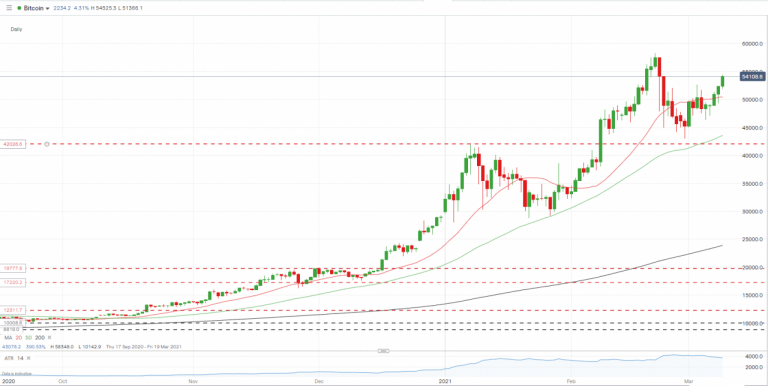
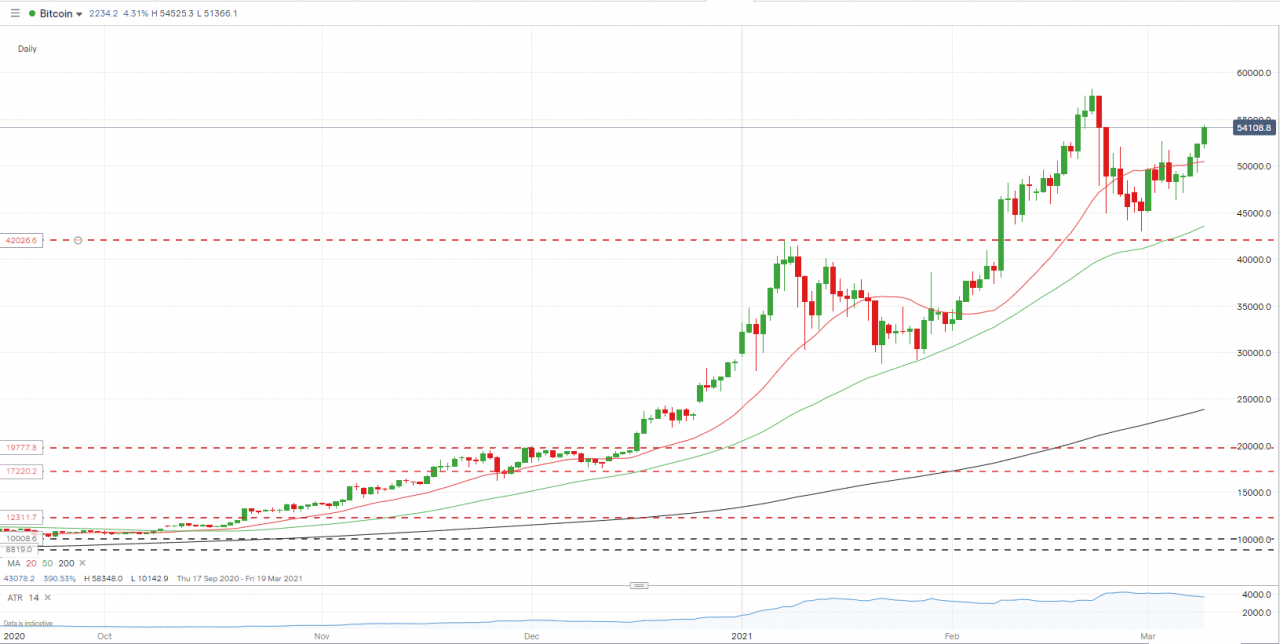
Bitcoin live price serves as a crucial indicator for investors and traders alike, highlighting the ever-changing landscape of cryptocurrency. With its significance rooted in market dynamics, understanding the factors that influence Bitcoin’s price fluctuations is essential for anyone engaged in the crypto space. Historical price trends also provide valuable context, helping to frame current movements in the market.

As Bitcoin continues to gain traction globally, the live price reflects not only market sentiment but also the impact of economic events, regulatory news, and technological advancements. Those looking to navigate this volatile market will benefit from staying updated on real-time pricing and the ever-evolving strategies for trading.

Introduction to Bitcoin Live Price

Tracking Bitcoin’s live price is pivotal for investors, traders, and enthusiasts alike. The cryptocurrency market is highly volatile, and real-time data can significantly influence trading decisions and market sentiment. Understanding the live price of Bitcoin not only allows participants to capitalize on price movements but also helps in comprehending broader market trends and economic factors.Several factors contribute to the fluctuations in Bitcoin’s price, making it a dynamic asset.

These include market demand and supply, regulatory news, technological developments, and macroeconomic indicators. For instance, an increase in demand due to significant institutional investment can lead to price surges, while negative regulatory news could trigger sharp declines. Additionally, external factors such as geopolitical events and technological advancements in blockchain can also impact Bitcoin’s valuation.

Historical Pricing Trends of Bitcoin

The historical context of Bitcoin’s pricing reveals its evolution from a niche digital currency to a mainstream financial asset. Initially launched in 2009, Bitcoin’s value was virtually nonexistent, with the first recorded price being $0.0008 in

The journey has seen dramatic price surges and corrections, influenced by various events and trends, such as:

  • 2013 Surge: Bitcoin’s price rose from around $13 in January to over $1,100 by December, primarily due to increased media coverage and adoption.
  • 2017 All-Time High: The price skyrocketed to nearly $20,000 in December 2017, driven by heightened speculation and the introduction of Bitcoin futures.
  • 2020-2021 Bull Run: The COVID-19 pandemic spurred a new wave of institutional interest, with Bitcoin reaching an all-time high of over $64,000 in April 2021.

These historical milestones illustrate Bitcoin’s volatile nature and the factors contributing to its price changes. Investors and traders must analyze these trends to make informed decisions in the ever-evolving cryptocurrency market.

“The price of Bitcoin is a reflection of its increasing adoption and the growing recognition of its potential as a digital store of value.”

Sources for Bitcoin Live Price

To successfully track Bitcoin’s live price, utilizing reliable platforms is crucial. Several reputable sources provide real-time updates, ensuring traders and investors have access to accurate data. This information can guide decision-making and improve trading strategies in the volatile cryptocurrency market.Various cryptocurrency exchanges and financial platforms differ significantly in how they present Bitcoin price data. While some exchanges offer direct trading options, others may aggregate prices from multiple sources, which can lead to slight discrepancies.

Understanding these differences can help users choose the best platform for their needs.

Reliable Platforms for Real-Time Bitcoin Prices

When it comes to finding the most reliable sources for live Bitcoin pricing, several platforms stand out. The following list highlights the top five sources, detailing their unique features and the advantages they offer for real-time tracking.

Platform Type Price Accuracy Features
CoinMarketCap Aggregator High Comprehensive market data, charts, and historical prices.
Binance Exchange Very High Lowest trading fees, advanced trading tools, and high liquidity.
Coinbase Exchange High User-friendly interface, strong security, and educational resources.
Kraken Exchange High Advanced trading options and robust security measures.
Yahoo Finance Financial News Moderate Market news, analytical tools, and price tracking.

Each of these platforms has its own strengths, making them suitable for different types of users. For instance, CoinMarketCap is ideal for those seeking a broad overview of market trends, while Binance is favored by active traders due to its low fees and liquidity. Understanding the features of each source can help users choose the platform that best fits their trading style and requirements.

“Price discrepancies among exchanges can impact trading outcomes. Hence, selecting a reliable source is essential for informed decision-making.”

Tools for Monitoring Bitcoin Live Price

As the cryptocurrency market continues to evolve, having the right tools at your disposal to monitor Bitcoin’s live price can make a significant difference in your trading and investment strategies. Various applications and platforms offer real-time data, price alerts, and analytics to help users stay informed and make educated decisions.Several applications and tools have been developed specifically for tracking Bitcoin prices.

These resources not only provide current price information but also offer various additional features such as historical data, market trends, and portfolio management. Below is a list of popular tools that can enhance your Bitcoin monitoring experience.

Popular Tools for Tracking Bitcoin Prices

These applications and tools can help you effectively track Bitcoin’s live price and stay updated on the market’s movements:

  • CoinMarketCap: A comprehensive resource for cryptocurrency prices, CoinMarketCap provides real-time price data, market capitalization, and trading volume for Bitcoin and thousands of other cryptocurrencies.
  • CryptoCompare: This platform allows users to compare prices across multiple exchanges and provides various analytical tools to help make informed trading decisions.
  • Blockfolio: A mobile app that enables users to track their cryptocurrency portfolios and receive real-time updates on Bitcoin’s price fluctuations.
  • CoinGecko: CoinGecko tracks price, volume, and market capitalization of Bitcoin and other cryptocurrencies while also providing informational insights on upcoming projects.
  • TradingView: A sophisticated charting platform that allows users to analyze Bitcoin’s price trends through advanced technical indicators and customizable charts.

To ensure you never miss significant price movements, setting up price alerts is essential. Price alerts notify you when Bitcoin reaches a certain price point, allowing you to react quickly to market changes.

Guide to Setting Up Price Alerts for Bitcoin

Setting up price alerts for Bitcoin is a straightforward process that can typically be done through most cryptocurrency apps or trading platforms. Below are general steps to follow when configuring these alerts:

1. Choose Your Preferred App or Platform

Select one of the aforementioned tools that supports price alerts.

2. Create an Account

If you haven’t already, sign up and create an account on the application.

3. Navigate to Price Alerts Section

Locate the price alerts section within the app or platform. This is often found under settings or notifications.

4. Set Desired Price Levels

Define the specific price points at which you want to receive alerts. This can be set for both price increases and decreases.

5. Choose Notification Method

Select how you want to be notified—through push notifications, email, or SMS.

6. Save Your Alerts

Once you’ve configured your price alert settings, save your preferences.Following these steps can help you maintain a proactive approach to Bitcoin trading and investment.

Responsive HTML Table of Popular Tools

Below is a responsive HTML table showcasing some of the popular tools for monitoring Bitcoin prices, along with their features:

Tool Name Key Features Platform Availability
CoinMarketCap Real-time price data, market cap, historical data Web, iOS, Android
CryptoCompare Price comparison, market overview, portfolio tracker Web, iOS, Android
Blockfolio Portfolio management, price alerts, news feed iOS, Android
CoinGecko Market data, price tracking, community stats Web, iOS, Android
TradingView Advanced charting tools, trading indicators Web, iOS, Android

This table provides a quick reference to the main features and platform availability of popular Bitcoin tracking tools, helping you choose the right one for your needs.

Technical Analysis for Bitcoin Price

Technical analysis plays a crucial role in understanding Bitcoin’s price movements. By employing various indicators and chart patterns, traders can gain insights into potential future price changes. This analysis helps in making informed trading decisions, setting entry and exit points, and managing risks effectively.Among the most common technical indicators utilized in Bitcoin price analysis are Moving Averages, Relative Strength Index (RSI), and Fibonacci Retracement levels.

Each of these indicators serves a different purpose and can shed light on market trends, momentum, and potential reversal points.

Common Technical Indicators

Understanding the key technical indicators is essential for effective analysis. These indicators assist traders in identifying market trends and potential entry points.

  • Moving Averages (MA): A widely used indicator that smooths out price data to identify trends over specific periods. The two common types are Simple Moving Average (SMA) and Exponential Moving Average (EMA).
  • Relative Strength Index (RSI): A momentum oscillator that measures the speed and change of price movements. An RSI above 70 indicates overbought conditions, while below 30 indicates oversold conditions.
  • Bollinger Bands: These bands are composed of a middle band (SMA) and two outer bands that represent volatility. Prices tend to bounce between the bands, indicating potential buy or sell signals.
  • MACD (Moving Average Convergence Divergence): This indicator shows the relationship between two moving averages of a security’s price. A bullish crossover occurs when the MACD line crosses above the signal line, suggesting upward momentum.
  • Fibonacci Retracement: Based on the Fibonacci sequence, this tool helps identify potential support and resistance levels. Traders often use these levels to make decisions about entry and exit points.

Interpreting Price Charts

Price charts are vital tools in technical analysis, providing a visual representation of Bitcoin’s price movements over time. By interpreting these charts effectively, traders can identify patterns and trends that suggest future price movements.Candlestick charts are particularly popular among traders for their detailed price information. Each candlestick displays the open, high, low, and close prices for a specific time period, providing insight into market sentiment.

Traders often look for patterns such as “bullish engulfing” or “doji” formations to predict potential price reversals or continuations.

Patterns such as head and shoulders indicate potential trend reversals, while flags and pennants suggest continuation of existing trends.

Historical Price Patterns and Outcomes

Analyzing historical price patterns can provide valuable insights into Bitcoin’s future price movements. Recognizing these patterns allows traders to anticipate market behavior based on past performance.For instance, in late 2017, Bitcoin experienced a significant price surge reaching nearly $20,000 before undergoing a correction. This price action formed a classic bubble pattern, often characterized by rapid price increases followed by sharp declines.

Similarly, the “double bottom” pattern observed in early 2019 suggested a strong reversal, leading to a bullish trend that saw Bitcoin’s price rise significantly over subsequent months.

The history of Bitcoin is filled with noteworthy patterns, highlighting the importance of technical analysis in forecasting potential price movements.

Impact of News on Bitcoin Live Price

The price of Bitcoin is significantly influenced by various news events and global economic happenings. Investors and traders closely monitor these developments, as they can lead to immediate fluctuations in the market. Understanding the impact of news on Bitcoin pricing is vital for anyone involved in cryptocurrency trading or investment.Global economic events can have a profound effect on Bitcoin’s price.

For instance, announcements regarding inflation rates, employment figures, and interest rate decisions from major economies can lead to increased volatility in the cryptocurrency market. When traditional markets react negatively to economic news, investors may flock to Bitcoin as a hedge against instability, driving its price up. Conversely, positive economic indicators may lead to a decline in Bitcoin’s appeal, causing its price to fall as investors return to traditional assets.

Influence of Regulatory News on Cryptocurrency Markets

Regulatory developments play a crucial role in shaping the cryptocurrency landscape. News regarding the legal status of Bitcoin and other cryptocurrencies can lead to significant price swings, as market participants react to the potential implications of such regulations. Recent examples of regulatory news include:

  • The U.S. Securities and Exchange Commission (SEC) announcing intentions to scrutinize cryptocurrency exchanges, which sparked concerns about increased regulation and compliance costs for these platforms.
  • The European Union’s MiCA (Markets in Crypto-Assets) regulation proposal, which aims to create a comprehensive framework for cryptocurrencies in Europe, leading to speculation on how these regulations would impact market dynamics.
  • China’s renewed crackdown on cryptocurrency mining and trading, which triggered a drop in Bitcoin prices as traders reacted to fears of reduced market participation.

Each of these regulatory news events can lead to significant price changes, either by instilling confidence in the market or causing panic among investors. The continuous evolution of regulations worldwide means that traders must stay informed and agile in response to news that could impact the legitimacy and viability of Bitcoin as an asset class.

Recent News Events Causing Significant Price Changes

Several key news events have recently influenced Bitcoin’s price trajectory. Monitoring these events is essential for understanding market movements. Here are notable examples that caused considerable price shifts:

  • The announcement of Tesla’s purchase of $1.5 billion in Bitcoin, which led to a surge in Bitcoin’s price due to increased institutional interest.
  • The news of major financial institutions like Goldman Sachs reopening their cryptocurrency trading desk, resulting in heightened investor optimism and a subsequent price rally.
  • The concerns over inflation and potential interest rate hikes by central banks, which pushed Bitcoin’s price to new highs as it was seen as a store of value.

These events illustrate how news can create immediate and sometimes dramatic changes in Bitcoin’s live price, reflecting the market’s sensitivity to external factors. Staying updated on such developments can provide traders and investors with a competitive edge in navigating the cryptocurrency market.

Volatility of Bitcoin Live Price

Bitcoin’s live price is known for its dramatic swings, a characteristic that is both a point of intrigue and concern for investors. Understanding the volatility of Bitcoin is essential for anyone looking to navigate the cryptocurrency market. This volatility reflects the rapid changes in Bitcoin’s price, which can create both opportunities and risks for traders and holders alike.Volatility in cryptocurrency markets refers to the extent of price fluctuations over a certain period.

Unlike traditional markets, cryptocurrencies like Bitcoin often experience significant price changes in a short timeframe. This concept is pivotal as it affects trading strategies, investment decisions, and market predictions.

Factors Contributing to Bitcoin’s High Volatility

Several elements contribute to the pronounced volatility of Bitcoin, making it one of the most unpredictable assets. Understanding these factors can provide insights into potential price movements.

  • Market Sentiment: The collective mood of investors can lead to rapid price changes. Positive news can drive prices up while negative news can cause swift declines.
  • Liquidity: Compared to traditional assets, Bitcoin has lower liquidity. A single large transaction can significantly impact its price.
  • Regulatory News: Announcements regarding regulations in major markets can lead to abrupt price changes, reflecting investors’ reactions to potential legal frameworks.
  • Technological Developments: Updates and changes to the Bitcoin protocol can affect investor confidence and impact prices rapidly.
  • Market Manipulation: Due to the relatively small market size, it is more susceptible to manipulation by large players, leading to sudden price fluctuations.

Statistical Data Illustrating Bitcoin’s Price Volatility Over Time

Analyzing Bitcoin price over the years reveals its volatility through various metrics. For instance, the historical data shows that Bitcoin has experienced price swings of over 20% within a single day on multiple occasions.

Year Highest Price (USD) Lowest Price (USD) Annual Volatility (%)
2013 $1,150 $13 550%
2017 $19,783 $775 1300%
2020 $29,000 $3,850 300%
2021 $64,000 $28,600 150%

“Bitcoin’s volatility is a double-edged sword; it presents both significant opportunities and risks for investors.”

The data demonstrates that Bitcoin’s price can fluctuate wildly, with annual volatility percentages often exceeding those of traditional assets. This characteristic can be advantageous for traders looking to capitalize on price movements but can also lead to substantial losses for those unprepared for the risks involved.

Strategies for Trading Bitcoin Based on Live Price

Bitcoin Price Watch; Here's What's On Tonight 2017-12-28

Trading Bitcoin effectively requires a deep understanding of live price movements and the implementation of sound strategies. The crypto market is known for its volatility, making it essential for traders to adopt strategies that can capitalize on price fluctuations while managing risk. Here, we explore various trading strategies that leverage live Bitcoin prices, providing traders with actionable insights.

Day Trading Strategy

Day trading is a popular strategy that involves making multiple trades within a single day to profit from short-term price movements. Here’s a step-by-step guide to executing a day trading strategy for Bitcoin:

1. Set Up Your Trading Environment

Choose a reliable trading platform that provides real-time live price data.

Ensure you have access to technical analysis tools and charts.

2. Select Your Trading Pairs

Focus on Bitcoin paired with major cryptocurrencies or fiat currencies, such as BTC/USD or BTC/ETH.

3. Analyze Live Price Movements

Monitor live price charts for trends, support and resistance levels, and price patterns.

4. Establish Entry and Exit Points

Determine specific price levels for entering and exiting trades based on your analysis.

5. Implement Risk Management

Set stop-loss orders to limit potential losses and define your risk-reward ratio.

6. Execute Trades

Place buy or sell orders as per your strategy while closely monitoring the market for sudden price changes.

7. Review and Adjust

After each trading session, review your trades to assess performance and adjust your strategy accordingly.

Traders can often react swiftly to sudden price changes by utilizing stop-loss orders and limit orders to minimize losses and secure profits. For instance, if Bitcoin’s price spikes unexpectedly due to a positive news announcement, a trader who has set a limit sell order may automatically sell their holdings, thus locking in profits before the price potentially drops again.

“The key to successful day trading is not just about timing the market, but also understanding how to respond quickly to price movements.”

Examples of Reacting to Price Changes

In the volatile world of Bitcoin trading, sudden price changes require prompt and strategic responses. Here are a couple of examples illustrating how traders can effectively react:

Example 1

Positive Market News If a significant financial institution announces it will start accepting Bitcoin for transactions, the price may surge. A trader who identifies this news quickly can execute a buy order, anticipating further price increases.

Example 2

Market Correction Suppose Bitcoin experiences a rapid increase, reaching an all-time high. A trader may foresee a market correction. By setting a stop-loss order just below the recent support level, they can protect their investment against a sudden downturn.These strategies, when executed carefully, can enhance trading success and help mitigate risks associated with Bitcoin trading volatility.

Future Projections for Bitcoin Live Price

As we look ahead at the future of Bitcoin, various experts and analysts are offering their forecasts and predictions, shaped by the evolving landscape of cryptocurrency. Understanding where Bitcoin might be headed requires a comprehensive analysis of market trends, sentiment, and external factors that influence price dynamics.Market sentiment plays a critical role in the future price projections of Bitcoin. Positive or negative sentiments can lead to significant price fluctuations, affecting traders’ decisions.

The collective mood of investors, driven by news, social media, and market movements, contributes to the overall perception of Bitcoin’s value.

Expert Predictions on Bitcoin Price Trends

Various financial experts and analysts have weighed in on the potential future prices of Bitcoin, taking into account market conditions, historical data, and global economic factors. Here are some noteworthy opinions on where Bitcoin prices might head:

  • Many analysts believe Bitcoin could reach $100,000 by the end of 2024, driven by increasing institutional adoption and the scarcity of supply due to halving events.
  • Some forecasts suggest a more conservative estimate, projecting Bitcoin to stabilize around the $50,000 mark as it gains traction as a legitimate store of value.
  • There are bullish predictions from notable investors like Cathie Wood, who anticipates Bitcoin could eventually surpass $500,000 as adoption grows globally.
  • Conversely, bearish sentiments from skeptics exist, warning of potential corrections that could see Bitcoin dip below $30,000 if regulatory pressures intensify.
  • Market analysts emphasize that Bitcoin’s future will heavily depend on macroeconomic factors, including inflation rates and currency devaluation, which could either bolster or hinder its appeal.

These expert opinions underscore the inherent uncertainty and volatility of the cryptocurrency market. As Bitcoin continues to evolve, staying informed about market sentiment and expert forecasts will be essential for anyone looking to navigate its future price movements effectively.

Conclusive Thoughts

In summary, monitoring Bitcoin live price is not just about tracking numbers—it’s about understanding a complex interplay of market forces, news, and technological developments. As the crypto market evolves, staying informed and adapting strategies will be key to harnessing the potential of Bitcoin. The journey of Bitcoin’s price is ongoing, and with the right tools and insights, you can be better prepared to navigate its twists and turns.

Quick FAQs

What factors influence Bitcoin’s live price?

Factors include market demand, global economic events, regulatory news, and technological advancements.

How can I track Bitcoin’s live price?

You can track it using cryptocurrency exchanges, financial news websites, and dedicated price monitoring apps.

Why is Bitcoin’s price so volatile?

Bitcoin’s volatility is driven by market sentiment, trading volume, regulatory developments, and speculative trading.

What are some common tools for monitoring Bitcoin prices?

Popular tools include CoinMarketCap, Binance, CryptoCompare, and various mobile apps dedicated to cryptocurrency tracking.

How do I set up price alerts for Bitcoin?

You can set up price alerts through most trading platforms or cryptocurrency tracking apps that offer this feature.